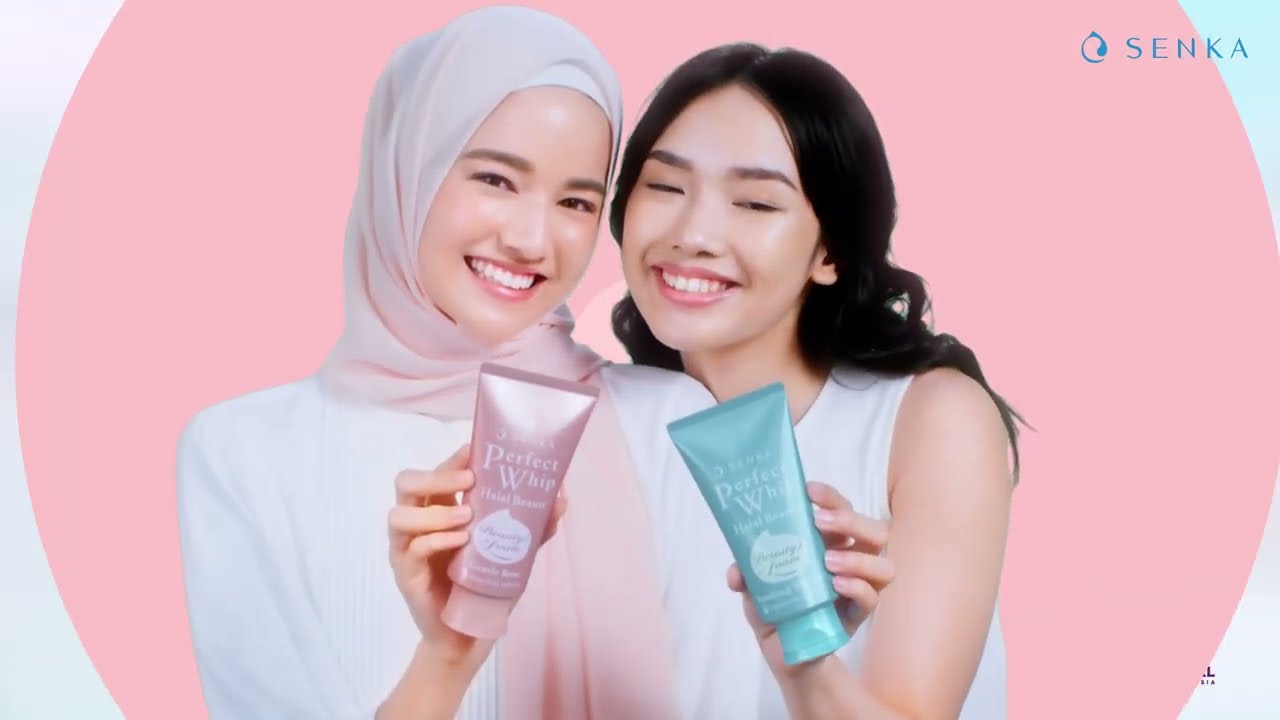
Senka and the Halal Cosmetics Market Landscape in Indonesia: Opportunities for Japan
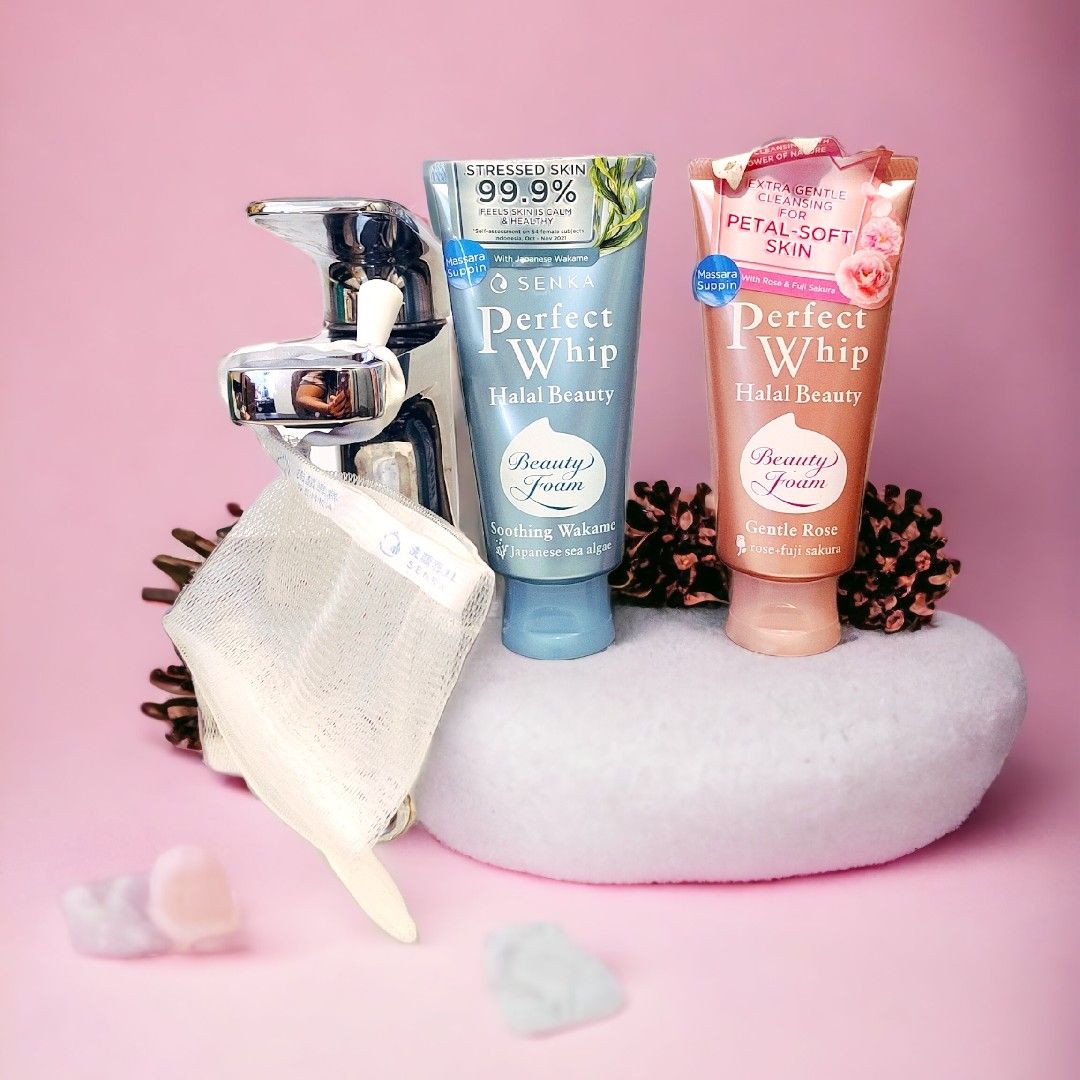
(Source: Female Daily)
DEPOK – Indonesia has become one of the world’s largest and most dynamic halal cosmetics markets. With a Muslim population exceeding 230 million people, the demand for beauty products that are not only safe but also halal is increasingly urgent. The Halal Product Assurance Law (Law No. 33/2014) mandates that cosmetic products circulating in Indonesia must obtain halal certification, making this aspect not merely a competitive advantage but an absolute prerequisite for market competition.
Senka’s Strategic Entry into the Indonesian Market
In this context, the presence of Senka—a Japanese skincare brand under Shiseido’s umbrella—represents a strategic move. The launch of Senka Halal Beauty Face Wash in Indonesia in 2023 demonstrates Japan’s growing recognition of the enormous potential in the halal beauty market. While this product is manufactured in Vietnam, it maintains Japanese quality standards and is equipped with halal certification from the Indonesian Ulema Council (MUI). Through this approach, Senka attempts to bridge two important identities: “Japan Quality” and “Halal Assurance.”
Market Reception and Consumer Perceptions
The Indonesian market’s reception of Senka presents interesting observations. On one hand, Muslim female consumers welcome the arrival of a Japanese brand offering premium skincare quality that is simultaneously halal. However, there are also critical notes, particularly regarding perception. Indonesian consumers remain quite sensitive to product origin issues. The fact that Senka is produced in Vietnam raises questions about the “Japanese authenticity” of this product. Nevertheless, Shiseido’s quality guarantee and BPJPH’s halal legitimacy provide a strong foundation for Senka to maintain consumer trust.
Competitive Landscape Analysis
Local Pioneers: Wardah’s Market Dominance
When compared to local products, Senka’s position appears unique. Wardah, for instance, is a pioneer in halal cosmetics in Indonesia and has built extremely high consumer loyalty. Wardah has successfully established its identity as a modern local Muslim cosmetic brand with affordable prices and wide distribution. It’s no surprise that Wardah remains the primary choice for most middle-class Muslim women. However, Wardah’s image is often perceived as more “mass market” than “premium beauty.”
Regional Competition: Safi’s Scientific Approach
On the other hand, there’s Safi from Malaysia, which has entered Indonesia with a different approach. Safi emphasizes a dermatological science approach in its products, with branding that is more clinical and scientific. This gives Safi an advantage over Wardah, although in terms of market acceptance, Safi has not achieved Wardah’s strength due to limited emotional connection with Indonesian consumers.
Specialized Local Brands
Additionally, other local brands like Emina and Make Over fill more specific market segments. Emina presents a playful, cheerful image suitable for teenagers, while Make Over targets young professionals with an urban style. Both emphasize halal as a selling point but package it more within lifestyle narratives and contemporary beauty trends.
Senka’s Unique Value Proposition
Compared to all these brands, Senka offers something different. It brings a Japanese image synonymous with quality, advanced skincare technology, and global reputation. With halal certification, Senka not only presents premium products but also provides religious peace of mind. The difference is that Senka targets the middle to upper class, who are not overly price-sensitive but care about quality and halal labels. This opens a distinct market niche: urban Muslim women who want to look beautiful with premium products without compromising their halal values.
Challenges and Market Dynamics
However, the challenges faced are significant. Japanese product prices are typically higher than local products like Wardah or Emina. Additionally, Indonesian consumers still have strong emotional ties to local brands. Korean brands also pose significant competition as the K-beauty trend is dominating Asian markets, including Indonesia. In this situation, Senka and other Japanese brands must be able to build narratives that don’t just sell “halal” as a label but also present stories about quality, gentleness, and natural ingredient innovation characteristic of Japan.
Strategic Opportunities for Japan
The opportunities for Japan are extremely vast. Indonesia could serve as a gateway to test the halal beauty market before expanding to Malaysia, Brunei, the Middle East, and even Europe. Halal certification from Indonesia also has a high international reputation, making it valuable capital for global penetration. If Japanese brands can establish an image as “Premium Halal Beauty from Japan,” they have the potential to dominate the middle to upper-class Muslim women segment that is not currently fully captured by local brands.
Future Implications and Lessons Learned
Ultimately, Senka’s presence in Indonesia symbolizes the beginning of Japan’s entry into the global halal beauty market competition. Although it doesn’t yet have the emotional foundation as strong as Wardah, Safi, or Emina, Senka can build competitive advantages through the combination of Japanese image and halal assurance. For other Japanese companies wanting to export cosmetics to Indonesia, an important lesson to learn is: don’t just sell products, but also narratives. Narratives about Japanese authenticity, product safety, and full compliance with Indonesian halal standards are key to winning the hearts of Muslim women consumers in Indonesia.
References
Ahmad, N., & Karim, R. (2021). Halal Certification and Market Access: A Case Study in ASEAN Cosmetics Industry. Journal of Islamic Marketing, 12(3), 512-527.
Jamal, A., & Rahman, S. (2022). Challenges and Opportunities for Halal Cosmetics in Japan. Asian Journal of Business and Management, 10(2), 134-146.
Mustafa, H., Ibrahim, M., & Ali, S. (2020). Halal Cosmetic Production: A Systematic Review. Journal of Halal Industry Research, 8(1), 23-39.
Thompson, L. (2023). Global Islamic Economy Report 2023. Thomson Reuters.