Halal Beauty: More Than Just a Trend in Cosmetics
The Rise of Halal in Skincare and Makeup
For years, the beauty industry highlighted vegan and organic products. Recently, however, “halal” has emerged as a new standard—offering more than just a passing trend. Halal beauty bridges the gap in the fashion and cosmetics industry by providing quality products free from impure (najis) ingredients and animal cruelty.
This shift is also consumer-driven: people want transparency about what goes into their products. Searches for “halal beauty” increased more than tenfold in 2021, reflecting growing global interest.
What Makes Cosmetics Halal?
Halal cosmetics exclude animal-derived ingredients, najis substances, harmful chemicals, and alcohol. Instead, they prioritize safe, clean ingredients and ethical sourcing. They symbolize purity—ensuring halal compliance throughout sourcing, production, packaging, and distribution.
Halal vs. Vegan: Not the Same
While both avoid animal ingredients, vegan cosmetics may still include alcohol. In contrast, halal-certified products prohibit alcohol completely. A product that is both halal and vegan offers the best of both worlds.
Understanding Halal Certification
Halal certification in cosmetics requires all ingredients to be traceable and free from sources such as pigs, carrion, blood, human parts, predators, reptiles, and insects. Third-party certifiers verify compliance across every stage—from sourcing and manufacturing to packaging and distribution—ensuring strict hygiene and halal integrity.
Notable Halal Brands
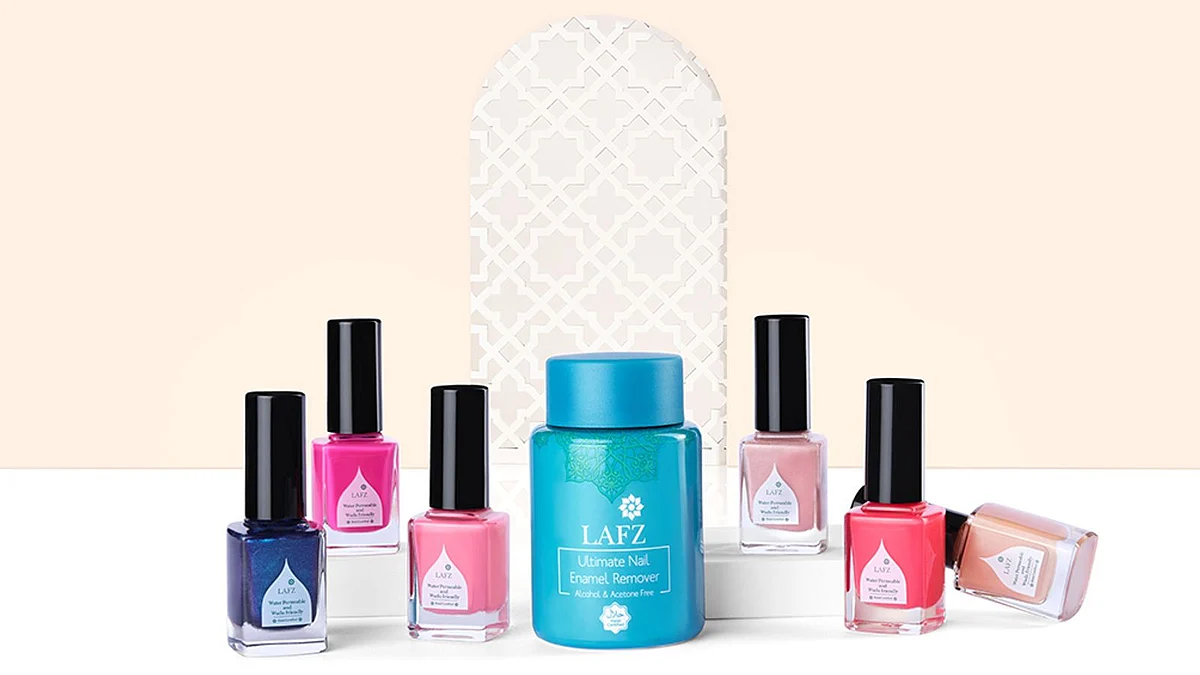
Globally, only a few halal-certified cosmetic brands exist. One example is Lafz, a European made halal-certified brand. Lafz products are vegan, cruelty-free, dermatologically tested, and produced in halal-certified factories across Italy, Germany, France, and Turkey. Their range includes foundations, lipsticks, primers, nail polish, eyeliners, CC creams, and serums.
Ingredients Commonly Avoided in Halal Cosmetics
- Carmine: A red dye derived from crushed cochineal insects. Halal products use plant-based alternatives.
- Lanolin: A moisturizing agent from animal secretions, replaced with shea butter or vitamin E.
- Beeswax: Extracted by boiling honeycombs, commonly found in lipsticks and sunscreens, but avoided in halal formulas.
- Alcohol: Found in perfumes and deodorants, but excluded in halal-certified products due to its drying and allergy-causing effects.
- Harmful Chemicals: Ingredients like parabens and sulfates, often linked to allergies and internal risks, are avoided to ensure skin safety.
How to Identify Halal Cosmetics
Look for a halal certification logo on packaging. For stronger assurance, check if the brand has national halal certification, such as the UAE halal standard. Lafz, for example, is one of the few brands holding this approval.
Final Takeaway
Our skin is the body’s largest organ, and what we apply to it matters as much as the food we consume. Just as halal food represents a lifestyle, halal cosmetics reflect a conscious choice for purity, safety, and ethical practices. Embracing halal beauty goes beyond aesthetics—it aligns with a holistic way of life.
Original Article:
Khaleej Times. (2025, September 14). The makeup that your skin consumes may not be halal — here’s how to find out. Khaleej Times. Retrieved from https://www.khaleejtimes.com/lifestyle/the-makeup-that-your-skin-consumes-may-not-be-halal-heres-how-to-find-out-2