Beauty Industry Evolution: From Halal Innovation to Multi-Generational Care
Smart Muslim Consumers Drive Multifunctional Product Demand
Muslim consumers today are not only better informed about beauty products, but they are also spurring demand for multifunctional skincare and makeup that cater to their unique needs and identities. This shift reflects the emergence of “skintellectual” Muslim consumers who seek multi-purpose products specifically designed for their requirements.
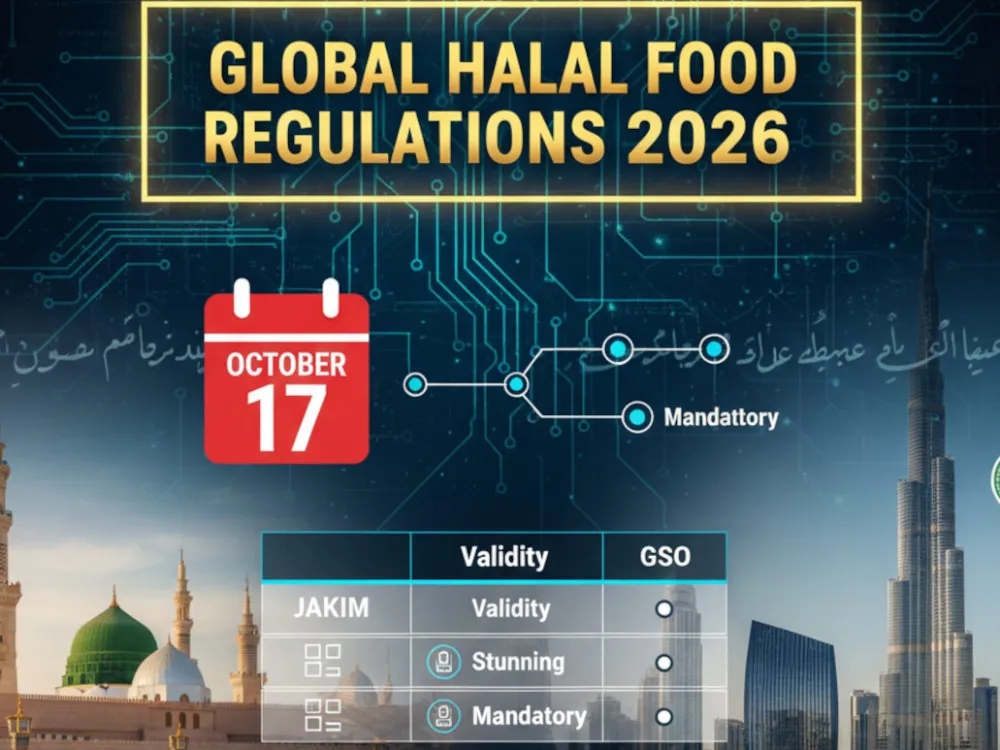
The growing preference for ethical, cruelty-free formulations creates stronger incentives for brands to pursue halal certification. Halal labelling for cosmetic products will become mandatory in Indonesia from October 2026, driving industry-wide compliance initiatives across Southeast Asia’s largest market.
Asian Family Skincare Market Primed for Disruption
Evereden has signed a deal with Sephora that will see its multi-generational skin care products on-shelf in five Asian markets – with the firm planning to ‘disrupt’ the APAC market by reaching millennial and Gen Z audiences. This strategic expansion targets the Asia Pacific region’s immense potential for challenger brands in the multi-generational skincare space.
The sophisticated evolution of consumer needs plus market landscapes in Asia Pacific creates opportunities for brands offering family-focused skincare solutions that address multiple age groups simultaneously through single product lines.
Personalization Becomes Essential for Diverse Demographics
Personalised solutions, true innovation and credible claims are key for beauty brands to succeed among diverse population groups across Asia and beyond, say trends experts. This approach addresses the complexity of serving varied cultural, religious, ethnic preferences across Asian markets.
The pursuit of holistic beauty will continue to drive the development of diagnostic tools, products and services that not only nourish the skin, but also contribute to psychological well-being. Beauty products increasingly function as self-care tools that support mental health alongside physical appearance.
Wellness Integration Creates New Product Categories
With beauty and personal care proving to be an essential part of self-care, this highlights a potential for growth in products that regulate oxytocin and endorphin levels. This scientific approach to beauty formulation connects cosmetic benefits with neurochemical wellness outcomes.
The integration of mood-enhancing ingredients plus stress-reducing formulations reflects consumer demand for products that deliver both aesthetic improvements plus psychological benefits.
Sandalwood Innovation Expands Beyond Fragrance
A newly launched skin care brand ‘About Time We Met’ from Australian sandalwood supplier Quintis is hoping to show what the ingredient can offer far more than fragrance. This brand positioning challenges traditional perceptions of sandalwood as merely a fragrance component.
It claims that Indian Sandalwood can protect against blue light and pollution, as well as reduce the signs of ageing and acne. These functional benefits position sandalwood as a multifunctional active ingredient addressing modern environmental stressors affecting skin health.
Chinese Beauty Market Shifts Toward Complexion Focus
Chinese colour cosmetics brand Perfect Diary is innovating in the facial complexion category to drive the brand’s turnaround as make-up continues to decline in China. This strategic pivot reflects broader market trends moving away from color cosmetics toward skin-perfecting products.
Lyu elaborated that the brand intends to focus product development more on facial complexion products. This emphasis on complexion enhancement over traditional makeup aligns with changing consumer preferences prioritizing natural-looking, skin-improving formulations.
Market Implications for Industry Players
The convergence of these trends suggests that successful beauty brands must address multiple consumer demands simultaneously: religious compliance, family-friendly formulations, personalized solutions, wellness integration, plus functional benefits. Companies that can navigate these complex requirements while maintaining product efficacy plus market accessibility will likely capture significant market share in Asia’s evolving beauty landscape.
The mandatory halal labeling in Indonesia, combined with growing demand for ethical beauty products, signals that compliance with religious plus ethical standards will become baseline requirements rather than niche market differentiators across Asian beauty markets.
Original Article:
CosmeticsDesign-Asia. (2025, September 17). What’s trending: Beauty market and consumer insights on halal beauty, family care and diversity. CosmeticsDesign-Asia. Retrieved from https://www.cosmeticsdesign-asia.com/Article/2022/12/09/what-s-trending-beauty-market-and-consumer-insights-on-halal-beauty-family-care-and-diversity/