Understanding Water Penetration Testing: Ensuring Halal Compliance for Beauty Products
Essential Standards for Religious Observance
The Religious Imperative Behind Testing
Cosmetics along with election inks require rigorous halal certification despite not being consumed orally. The critical factor lies in their potential interference with Islamic purification rituals. These products must allow water penetration to ensure proper ablution—the essential cleansing process required before prayer. LPPOM Laboratory addresses this need through specialized waterproof testing protocols.
Market Dynamics Driving Halal Demand
Indonesia’s cosmetics sector experiences remarkable expansion driven by evolving lifestyles, social media influences, plus a substantial young demographic pursuing aesthetic enhancement. Within this competitive landscape, halal certification emerges as a powerful differentiator for Muslim consumers. Similarly, election ink halalness generates significant discussion since temporary marking occurs during religious practices.
Both industries benefit from halal claims beyond regulatory compliance requirements. Given Indonesia’s Muslim-majority population, demand for religiously compliant products continues intensifying, creating substantial market opportunities for certified manufacturers.
Scientific Testing Methodology
Cosmetics together with election inks function as external applications targeting the epidermis layer. Though not ingested, halal certification remains crucial due to their use during worship activities. These products must demonstrate water permeability, ensuring ablution water reaches skin surfaces during purification ceremonies.
Many cosmetic formulations advertise waterproof properties for extended wear duration. This presents a fundamental challenge: balancing durability with religious compliance. LPPOM’s testing methodology resolves this dilemma by evaluating actual water penetration capabilities.
Laboratory Excellence Through Validation
LPH LPPOM maintains validated testing protocols certified through third-party accreditation. Marketing Manager Cucu Rina Purwaningrum explains their established methodology has undergone rigorous verification, confirming its suitability for water penetration assessment.
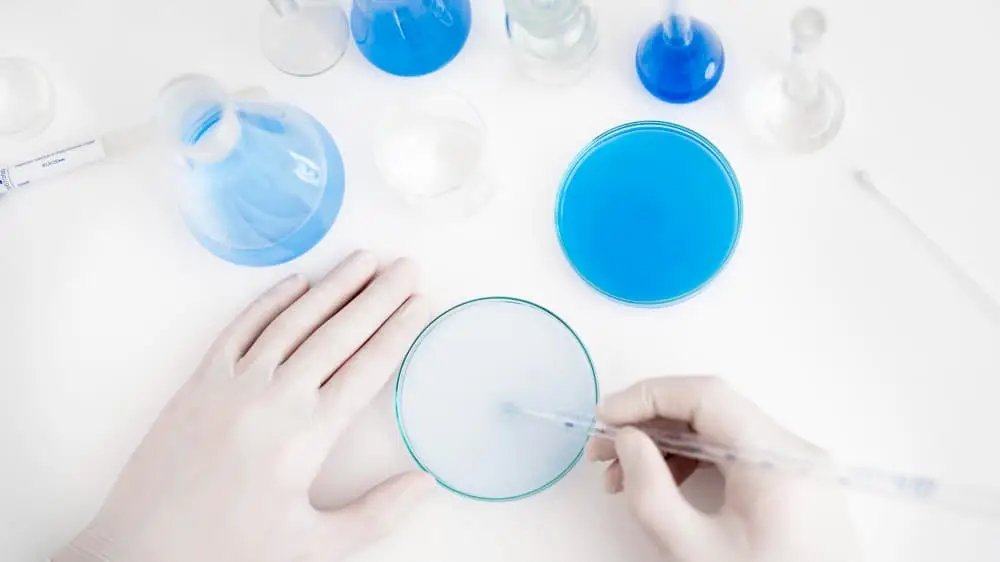
The testing process employs in-house techniques utilizing skin-like materials. Technicians apply products to these substrates before introducing water droplets. Subsequent analysis determines absorption capacity, providing definitive measurements of water permeability. This standardized approach ensures consistent, reliable results.
Comprehensive Testing Services Portfolio
Beyond water penetration analysis, LPPOM Laboratory offers specialized halal testing services including pig DNA detection through real-time PCR technology, ethanol residue measurement via GC-FID analysis, plus rapid pig protein identification tests. All services maintain international standard certifications based on ISO17025 requirements.
Expanding market demands have prompted LPPOM MUI Laboratory to broaden their testing capabilities across food quality plus safety parameters. This expansion aligns with comprehensive food safety criteria integral to their halal certification processes. Recent years have witnessed significant laboratory infrastructure development encompassing physics, chemistry, plus microbiology divisions to accommodate growing customer requirements.
Accessing Professional Testing Services
Interested parties can submit cosmetic samples or election ink specimens to LPPOM Laboratory, which holds SNI ISO/IEC 17025:2017 accreditation from Indonesia’s National Accreditation Committee (KAN). Comprehensive information regarding water penetration testing plus additional laboratory services is available through their digital platform at www.e-halallab.com.
Original Article:
LPPOM MUI. (2025, September 21). What is the waterproof test for cosmetics and election inks? Halal MUI. Retrieved from https://halalmui.org/en/what-is-the-waterproof-test-for-cosmetics-and-election-inks/


