Hong Kong’s Transformation into a Premier Muslim-Friendly Luxury Travel Hub
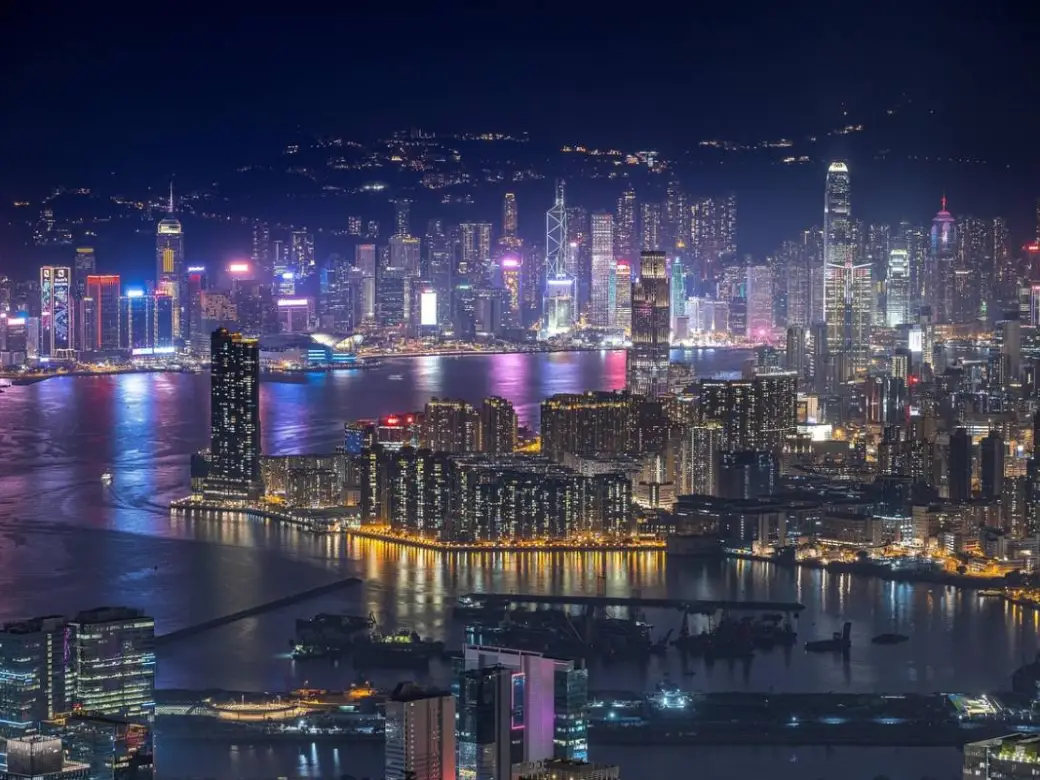
JAKARTA – Hong Kong is experiencing a remarkable evolution in its tourism landscape, emerging as a coveted destination for affluent Muslim travelers seeking premium experiences that align with their religious values. The metropolis, traditionally celebrated for its financial prowess and retail offerings, has strategically repositioned itself to capture a significant share of the lucrative global Islamic travel market.
This transformation represents a calculated shift rather than an accidental development, driven by deliberate policy implementations, strategic industry collaborations, enhanced cultural sensitivity, and acknowledgment of the substantial economic influence wielded by Muslim travelers globally. Through this approach, Hong Kong is establishing itself as a formidable rival to established Muslim-friendly luxury destinations such as Dubai, Kuala Lumpur, and Istanbul.
Remarkable Growth in Muslim Visitor Statistics
The numbers tell a compelling story of Hong Kong’s success in attracting Muslim travelers. During the initial eight months of 2025, the territory witnessed an impressive nearly 40% surge in visitors from Middle Eastern nations, totaling approximately 54,000 arrivals. More significantly, these visitors demonstrate exceptional spending power, with Gulf travelers averaging HK$10,400 (US$1,338) per visit—almost twice the expenditure of typical tourists.
Similarly encouraging trends emerge from Southeast Asia’s Muslim-majority nations. Malaysian and Indonesian visitor numbers climbed by more than 40%, propelled by enhanced halal service offerings and improved aviation connectivity. These statistics underscore the robust demand for destinations that seamlessly blend premium hospitality with Islamic-compliant amenities.
Key Elements Driving Hong Kong’s Appeal
Hong Kong’s magnetism for wealthy Muslim tourists stems from several carefully orchestrated factors:
Premium Accommodations with Religious Considerations: Elite hotels now incorporate thoughtful amenities including prayer carpets, Quranic texts, alcohol-free refreshment options, and gender-sensitive wellness facilities. Select establishments feature certified halal options within their gourmet restaurant offerings.
Elevated Halal Culinary Experiences: Moving beyond basic halal food options, sophisticated restaurants are crafting halal-certified fine dining experiences, including traditional Chinese haute cuisine adapted for Muslim guests who demand both authenticity and luxury.
Expanding Certification Infrastructure: Currently, over 60 hospitality establishments and nearly 200 dining venues hold halal-friendly or halal-certified credentials, with government backing supporting continued expansion.
Targeted Marketing Initiatives: Hong Kong’s tourism authority has collaborated with digital platforms like Klook to develop programs such as Jelajah Hong Kong, specifically promoting Muslim-friendly travel experiences encompassing retail, wellness, entertainment, and premium dining.
International Acclaim and Recognition
Hong Kong’s dedicated efforts have garnered significant international attention and validation. In 2025, the destination secured third place among non-Islamic countries in the Global Muslim Travel Index (GMTI) and received recognition as the “Most Promising Muslim-Friendly Destination of the Year.” These honors acknowledge both current achievements and future potential in this specialized market segment.
Such recognition also reflects Hong Kong’s strategic ambition to transcend its traditional role as merely a shopping destination, instead competing aggressively in the luxury tourism arena where Muslim travelers constitute one of the most rapidly expanding demographics.
Obstacles and Areas for Improvement
Despite significant advancement, certain challenges persist. Industry observers and travelers note that halal certification consistency remains problematic. The presence of multiple certifying organizations and varying staff knowledge levels necessitate improved trust-building and transparency mechanisms for sustained growth.
Market awareness presents another significant challenge. While Hong Kong has made substantial investments in infrastructure and certification systems, many potential visitors across the Middle East and Southeast Asia remain unaware of the city’s Muslim-friendly transformation. Enhanced marketing strategies, influential endorsements, and comprehensive information platforms are essential to address this knowledge gap.
The Trajectory of Luxury Islamic Tourism
Industry forecasts predict the luxury Muslim travel sector will reach US$350 billion by 2030, positioning Hong Kong to capture a substantial portion of this market. By delivering a sophisticated combination of contemporary luxury, halal compliance, cultural sensitivity, and memorable experiences, the city appeals to travelers who prioritize both exclusivity and authenticity.
Should current trends persist, Hong Kong may successfully redefine its global identity, evolving from Asia’s financial hub to a leading destination for premium Muslim-friendly travel experiences. While other destinations will undoubtedly intensify competition, Hong Kong’s progress thus far indicates strong potential to establish new industry standards in this specialized luxury travel segment.
Original Article:
Halal Times. (2025, September 24). Why Hong Kong Is Rising as the Top Luxury Destination for Wealthy Muslim Travelers. Retrieved from https://www.halaltimes.com/why-hong-kong-is-rising-as-the-top-luxury-destination-for-wealthy-muslim-travelers/