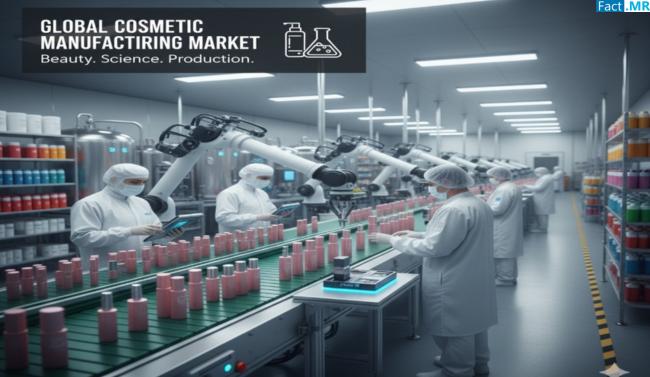
Global Cosmetics Industry Poised for Remarkable Growth Through 2034
JAKARTA – The worldwide cosmetics manufacturing sector is experiencing unprecedented expansion, with industry analysts projecting substantial growth over the coming decade. Current market revenues stand at approximately US$ 473.38 billion in 2024, with forecasts indicating the industry will achieve a remarkable valuation of US$ 878.88 billion by 2034, representing a robust compound annual growth rate (CAGR) of 6.4%.
This impressive trajectory reflects the industry’s resilience and adaptability to changing consumer preferences, technological innovations, and evolving beauty standards across global markets.
Diverse Product Portfolio Drives Market Expansion
The cosmetics manufacturing landscape encompasses four primary categories: skincare products, hair care solutions, makeup items, and fragrance offerings. These product lines reach consumers through an extensive network of retail channels, including major supermarkets and grocery chains, specialized beauty retailers, pharmacy outlets, and upscale department stores.
This comprehensive distribution strategy enables manufacturers to effectively serve both premium luxury segments and accessible mass-market consumers, maximizing market penetration and revenue opportunities. The growth momentum is further accelerated by increasing disposable income levels, rapid urbanization trends, and continuously evolving beauty standards worldwide.
Skincare and Hair Care Leading Industry Growth
The skincare category maintains its position as the dominant market segment, propelled by heightened consumer consciousness regarding personal care routines, anti-aging solutions, and natural or organic product formulations. Significant demand growth is observed in specialized products including facial serums, advanced moisturizing treatments, and protective sunscreen formulations, creating consistent expansion within this sector.
Simultaneously, the hair care market demonstrates strong performance through innovative shampoo formulations, advanced conditioning treatments, and sophisticated styling products. Manufacturers are responding to diverse consumer needs by developing specialized solutions targeting various hair textures, conditions, and styling preferences.
Makeup and Fragrance Segments Capture Growing Consumer Interest
The cosmetics makeup division continues expanding due to increasing popularity of color cosmetic products, long-wearing formulations, and versatile multi-purpose items. The influence of digital beauty tutorials, social media influencer marketing campaigns, and trending online content has significantly boosted makeup brand visibility and consumer engagement, driving product innovation and market growth.
The fragrance sector is simultaneously gaining market prominence as luxury lifestyle products, experiencing increased demand across both personal use applications and gift-giving occasions. This dual-purpose appeal has broadened the fragrance market’s consumer base and purchasing frequency.
Strategic Multi-Channel Distribution Approach
Supermarket and grocery store channels provide essential accessibility for mass-market consumers, offering extensive product ranges at competitive price points. Specialty beauty retailers concentrate on niche products, premium formulations, and exclusive brand partnerships, catering to discerning consumers seeking specialized solutions.
Pharmacy distribution channels serve a crucial function in delivering clinically tested and dermatologically approved products, while department store networks focus on premium cosmetic offerings that emphasize prestige and superior quality. This diversified distribution strategy enables manufacturers to effectively target distinct consumer demographics and accommodate varying purchasing behaviors.
Innovation and Sustainability Shape Industry Evolution
Recent industry developments highlight the growing emphasis on innovation, environmental sustainability, and digital consumer engagement. Market leaders are significantly increasing research and development investments to introduce plant-based formulations, cruelty-free products, and environmentally responsible packaging solutions.
The emergence of clean beauty trends and consumer demand for ingredient transparency has encouraged brands to adopt sustainable packaging alternatives and ethical sourcing practices. These initiatives align with growing consumer awareness of environmental and social responsibility issues.
Digital Transformation Accelerates Market Growth
E-commerce platforms and direct-to-consumer sales channels have become fundamental components of industry expansion, enabling brands to establish direct consumer relationships, deliver personalized product recommendations, and respond rapidly to emerging market trends.
Social media marketing strategies, influencer collaboration programs, and interactive digital content have significantly enhanced brand visibility and consumer loyalty, creating new opportunities for market penetration and customer retention.
Competitive Landscape and Market Dynamics
The global cosmetics manufacturing industry features intense competition among established multinational corporations and innovative independent brands. Leading companies focus on continuous product innovation, sophisticated marketing strategies, and international market expansion to maintain competitive advantages.
Strategic business collaborations, corporate acquisitions, and partnership agreements enable companies to diversify product portfolios and access new geographic markets. Emerging brands effectively leverage social media platforms and targeted digital marketing campaigns to establish niche market positions, often emphasizing sustainability, inclusivity, and unique product formulations.
Future Market Outlook and Growth Projections
Industry analysts anticipate sustained growth momentum throughout the next decade, driven by increasing digital influence, innovative product launches, and expanding consumer awareness of beauty and personal care. Companies prioritizing research and development investments, ethical business practices, and comprehensive omnichannel distribution strategies are positioned to achieve competitive advantages.
The convergence of social media influence, personalized beauty solutions, and sustainable manufacturing practices will continue shaping consumer preferences and purchasing decisions. This dynamic environment establishes the cosmetics manufacturing sector as a high-growth industry with significant opportunities for innovation and market expansion in the global economy.
The industry’s ability to adapt to changing consumer preferences while maintaining product quality and innovation standards positions it for continued success through 2034 and beyond.
Original Article:
Open PR. (2025, September 24). Cosmetic Manufacturing Market is Estimated to be US$ 878.88 Billion with a CAGR of 6.4% by 2034. Retrieved from https://www.openpr.com/news/4195161/cosmetic-manufacturing-market-is-estimated-to-be-us-878-88