BPOM Chief Outlines Strategic Framework to Advance Indonesia’s Cosmetics Sector
JAKARTA – Indonesia’s cosmetics industry is poised for significant expansion as the country’s drug and food regulatory authority unveils a comprehensive strategic framework aimed at transforming local products into flagship offerings. The National Agency of Drug and Food Control (BPOM) has positioned cosmetics as essential rather than secondary needs, signaling a fundamental shift in how the government views this rapidly growing sector.
Cosmetics Elevated to Essential Status
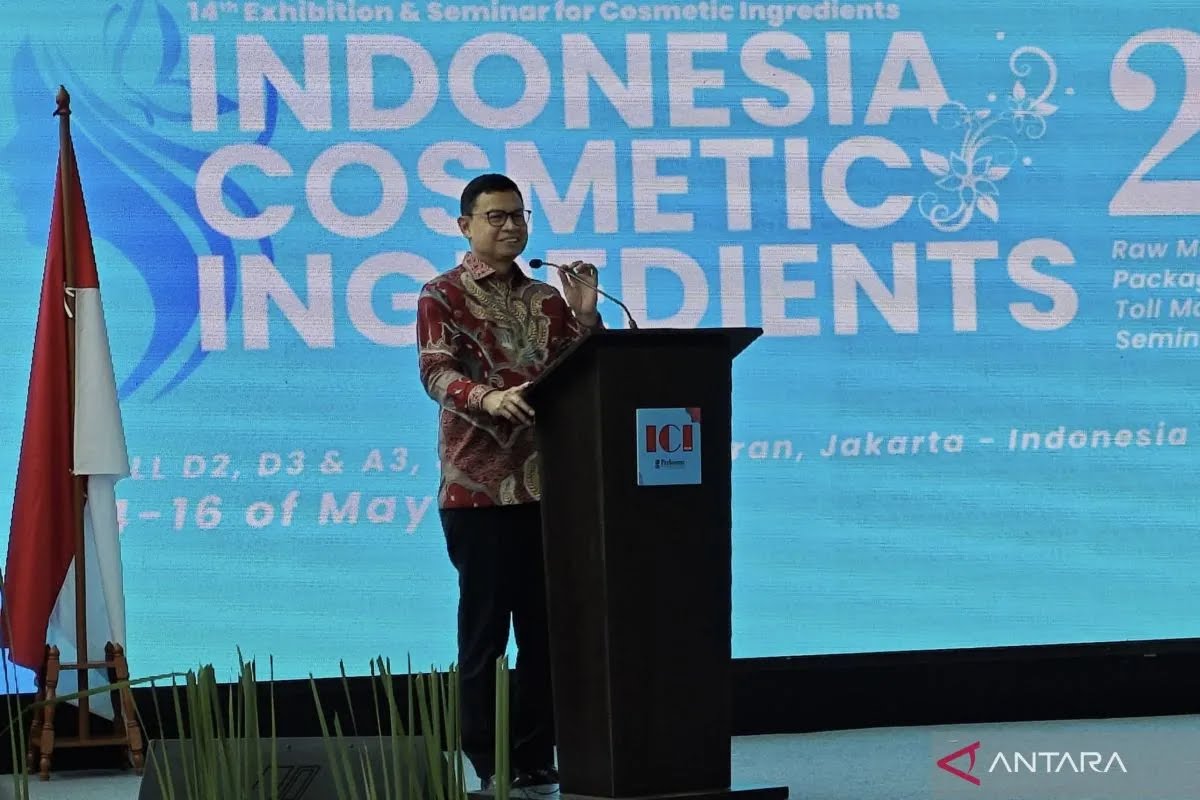
Taruna Ikrar, Head of BPOM, emphasized the government’s commitment to maximizing support for the domestic cosmetics industry during the opening of the Indonesia Cosmetics Ingredients (ICI) Expo & Seminar 2025 in Central Jakarta. “As regulators, we will provide maximum support for the advancement and growth of cosmetics in our country, because cosmetics have become our basic needs, no longer secondary,” Ikrar stated.
This official recognition reflects the evolving consumer landscape in Indonesia, where beauty and personal care products have transitioned from luxury items to daily necessities across demographic segments.
Substantial Economic Impact
The cosmetics industry has emerged as a significant economic driver, generating approximately IDR 158 trillion (roughly USD 10.5 billion) annually for Indonesia’s economy. BPOM leadership expects this figure to continue growing in subsequent years, underlining the sector’s potential contribution to national economic development.
This substantial economic value positions the cosmetics industry among Indonesia’s key growth sectors, warranting strategic government attention and support mechanisms to maximize its potential.
Comprehensive Regulatory Strategy
The government’s approach to advancing the cosmetics sector centers on four primary strategic pillars, each designed to address different aspects of industry development and market protection.
Enhanced Regulatory Framework
As the primary regulatory body, BPOM is implementing supportive measures that balance industry facilitation with consumer protection. The strategy includes streamlined approval processes while maintaining rigorous safety standards for both domestic and international market access.
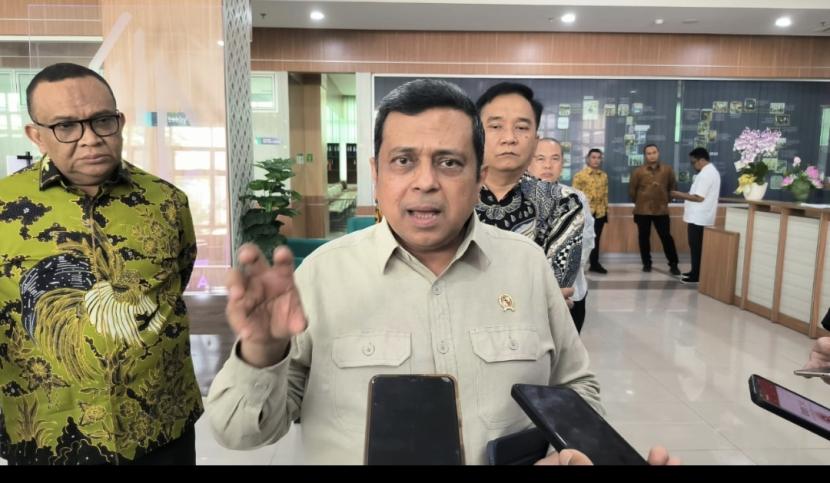
“We protect the general public to obtain safe products, and from the industry side, we provide protection by ensuring legality. Legal compliance is essential, including for raw materials—whether imported, intended for export, or produced domestically,” Ikrar explained.
This balanced approach aims to create an environment where innovation can flourish while maintaining consumer trust through robust safety mechanisms.
Innovation and Patent Protection
BPOM will establish clear guidelines for producers regarding raw material innovation, with pathways to patent protection for novel formulations. This framework enables cosmetics manufacturers to create multiplier economic effects through innovative products derived from locally-sourced materials.
The patent protection mechanism encourages research and development investments while ensuring that Indonesian companies can benefit from their innovations in both domestic and international markets.
Downstream Integration Strategy
A key component of the strategic framework involves downstream integration of cosmetics raw materials through collaboration between government agencies, academic institutions, and industry players. This three-way partnership model aims to maximize value addition from Indonesia’s abundant natural resources.
“We want our extensive natural resources to be developed by industry, then collaborate with educational institutions or universities, with the output being downstream integration back to the government. The government will facilitate downstream processes by validating these products as our flagship offerings,” Ikrar outlined.
This collaborative approach ensures that academic research translates into commercial applications while maintaining government oversight and quality standards.
Industry Ecosystem Development
The final strategic pillar focuses on leveraging exhibitions and trade shows like the Indonesia Cosmetics Ingredients Expo to empower business stakeholders across the entire value chain—from farmers and miners to manufacturers and retailers.
These platforms serve multiple purposes: showcasing Indonesian capabilities, facilitating business connections, and creating opportunities for job creation as the industry expands. The ripple effect includes supporting small and medium enterprises that supply larger manufacturers, potentially elevating them to medium or large-scale operations.
“This will foster the growth of business stakeholders—whether farmers, miners, or small industries supporting existing businesses to become medium-scale industries, or even large-scale industries. Overall, this will create broader employment opportunities,” Ikrar emphasized.
Employment and Economic Multiplier Effects
The strategic framework anticipates significant job creation across multiple sectors supporting the cosmetics industry. From agricultural production of raw materials to manufacturing, packaging, marketing, and distribution, the industry’s growth is expected to generate employment opportunities at various skill levels.
This multiplier effect aligns with Indonesia’s broader economic development goals of creating sustainable employment while building competitive industries that can compete globally.
Local Resource Utilization
Indonesia’s rich biodiversity and natural resource endowment provide a strong foundation for developing distinctive cosmetics products that can differentiate Indonesian brands in global markets. The strategic framework emphasizes maximizing utilization of these resources through proper processing and value addition.
By focusing on natural ingredients and traditional knowledge, Indonesian cosmetics companies can develop unique selling propositions that appeal to both domestic consumers and international markets increasingly interested in natural and sustainable beauty products.
Market Positioning and Global Competitiveness
The comprehensive strategy positions Indonesia to become a significant player in the global cosmetics market while strengthening domestic industry capabilities. By emphasizing innovation, quality, and regulatory compliance, Indonesian cosmetics companies will be better positioned to compete with established international brands.
The framework also supports export development, enabling Indonesian companies to access international markets with products that meet global standards while showcasing the country’s unique natural heritage.
Future Outlook
The strategic framework outlined by BPOM represents a coordinated approach to cosmetics industry development that balances growth objectives with consumer protection and environmental sustainability. Success will depend on effective implementation of collaborative mechanisms between government, academia, and industry stakeholders.
As Indonesia continues developing its cosmetics sector, the emphasis on local resources, innovation, and comprehensive regulatory support creates a foundation for sustainable long-term growth that can contribute significantly to the national economy while establishing Indonesian cosmetics brands as competitive forces in global markets.
Original Article:
Antara News. (2025, September 29). Kepala BPOM paparkan strategi majukan sektor kosmetik Indonesia. Retrieved from https://www.google.com/amp/s/m.antaranews.com/amp/berita/4832165/kepala-bpom-paparkan-strategi-majukan-sektor-kosmetik-indonesia