Halal Cosmetics Still Face Major Challenges
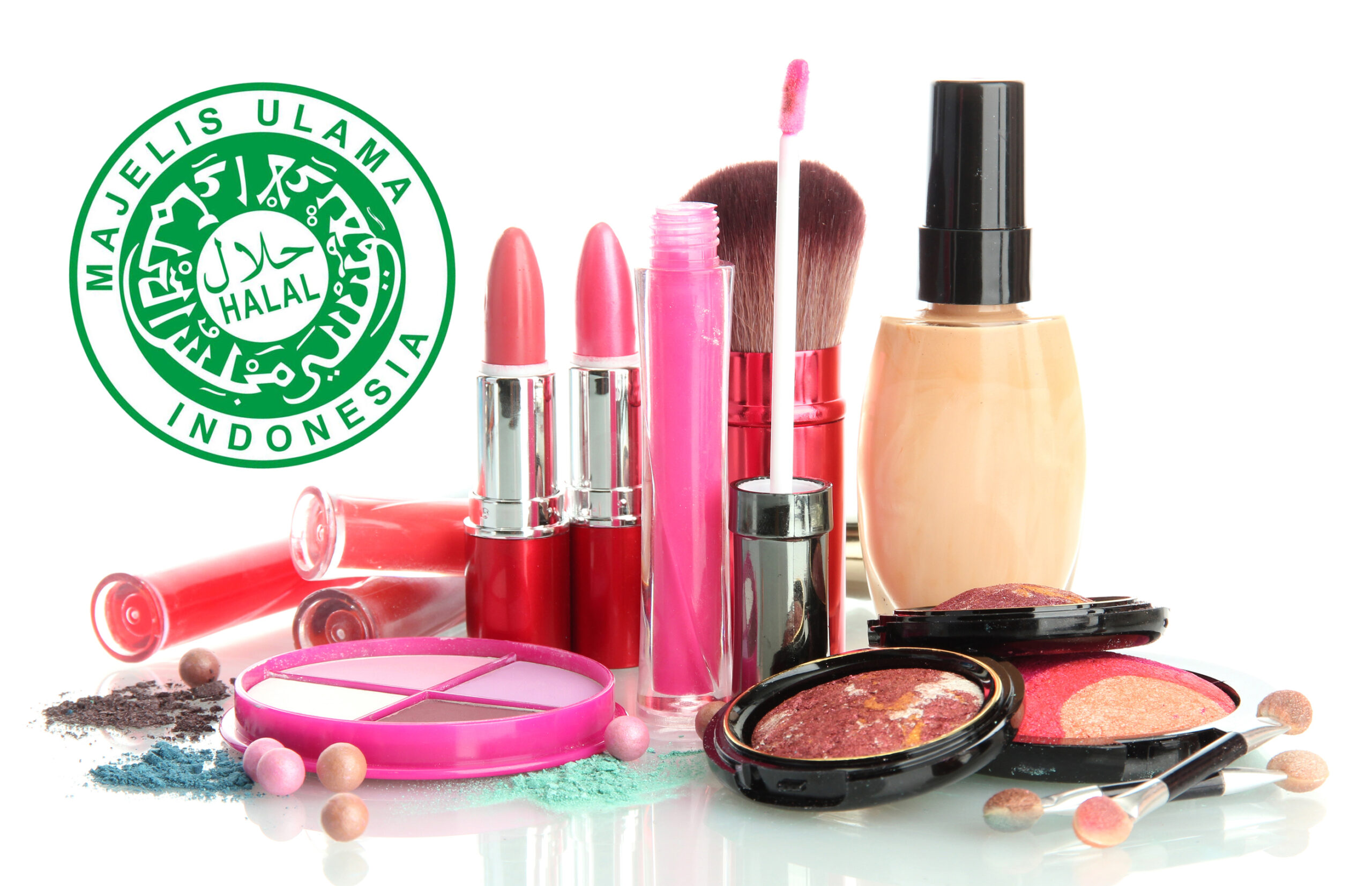
(Source: madaninews.id)
With Islam as the world’s second-largest religion and a global Muslim population of nearly 2 billion, awareness of halal products has grown significantly—extending beyond food into the realm of cosmetics. Demand for halal cosmetics is on the rise, as reflected in the cosmetics industry’s steady 8% annual growth.
Five Key Challenges in Halal Cosmetics
According to Prof. apt. Nurkhasanah, S.Si., M.Si., Ph.D., Professor of Pharmaceutical Sciences at Ahmad Dahlan University (UAD), halal cosmetics still face pressing issues related to safety, effectiveness, quality, formulation, and regulation.
- Plant-Based Ingredients
While plant-derived materials are generally listed as non-critical (positive list), the conversion process into cosmetic formulations often requires additional substances. These must be carefully monitored to ensure they are free from contamination or non-halal inputs. - Animal-Derived Ingredients
Popular ingredients such as collagen and placenta, used in anti-aging and anti-wrinkle products, may come from halal sources (cows, fish) or haram sources (pigs). Placenta is permissible only if sourced from halal animals and used externally, but prohibited if derived from pigs or animals that died unnaturally.
Regulatory and Safety Considerations
Prof. Nurkhasanah emphasized that halal cosmetics must meet recognized standards, including:
- Safety: Products should not cause harm or pose health risks.
- Efficacy: Claims must be evidence-based, supported by laboratory testing or scientific literature.
- Compliance: All formulations must follow national and international regulatory frameworks.
The Challenge of Modern Formulations
Recent cosmetic innovations—waterproof, sweatproof, and long-lasting products—introduce a unique challenge for Muslim consumers. For example, waterproof eyeliner, designed to resist smudging, can hinder the penetration of water during ablution (wudu).
As Prof. Nurkhasanah noted, water penetration tests have therefore become a crucial part of the halal certification process, since any cosmetic that blocks ablution water may invalidate worship practices.
Conclusion
The halal cosmetics sector is growing rapidly, but significant challenges remain in ensuring products are safe, effective, and fully compliant with both Shariah principles and regulatory standards. Addressing these concerns is essential for building consumer trust and supporting the global expansion of halal-certified cosmetics.
Original Article:
Universitas Muhammadiyah Yogyakarta. (2025, September 29). Kosmetik halal masih hadapi tantangan besar. UMY. https://www.umy.ac.id/en/kosmetik-halal-masih-hadapi-tantangan-besar/