The Hidden Risk in Cosmetic Manufacturing: Why Choosing the Right Maklon Partner Matters for Halal Certification
JAKARTA – The halal cosmetics industry is experiencing unprecedented growth in Indonesia, yet many business owners remain unaware of a critical challenge that could derail their halal certification efforts: contract manufacturing, or maklon. While outsourcing production offers convenience and cost efficiency, it conceals significant risks that can prevent products from obtaining halal certification.
The Booming Cosmetics Industry and Its Hidden Challenge
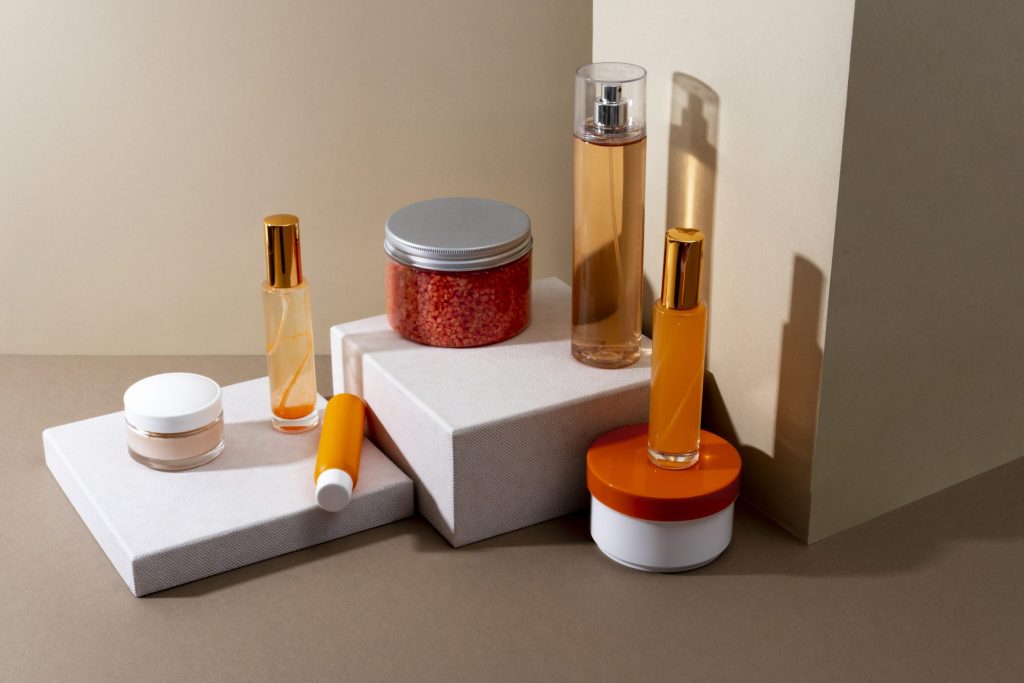
Indonesia’s cosmetics sector is thriving, driven by increasing consumer demand for safe, environmentally friendly products that comply with Islamic principles. However, beneath this promising landscape lies an often-overlooked issue affecting many local cosmetic brands.
Most domestic cosmetic companies don’t manufacture their own products. Instead, they rely on third-party contract manufacturers, commonly known as maklon services. While this model proves efficient—especially for businesses without production facilities—it introduces substantial complications when pursuing halal certification.
The Maklon Dilemma: A Threat to Halal Status
Muti Arintawati, CEO of LPPOM, explains the core problem: “It’s not enough for your product ingredients to be halal if the maklon facility you use also produces items for other companies using impure substances.” This scenario is remarkably common in the cosmetics manufacturing sector, where contract facilities typically serve multiple brands with various formulations, including those containing ingredients prohibited under Islamic law.
According to Muti, while ingredients form the foundation of product halal status—meaning cosmetics must be free from impure materials such as pork derivatives, carrion, or alcohol-based substances—verifying ingredients alone proves insufficient. The manufacturing process itself must meet stringent standards.
“Within a single facility, there cannot be any impure materials used in producing other products. This is one of the fundamental requirements for cosmetics to receive halal certification,” she emphasizes.
The Domino Effect of Contaminated Facilities
The scenario appears straightforward, yet carries enormous consequences. When a maklon facility is found using prohibited substances for any product line, all items manufactured at that location risk failing halal certification. This can simultaneously impact numerous brands.
“If one product fails due to maklon issues, virtually all products made at that facility will be affected,” Muti clarifies. This domino effect can devastate multiple businesses that share the same manufacturing partner.
Early Verification: A Necessity, Not an Option
This reality serves as a crucial reminder for cosmetic brand owners: verifying maklon facilities from the outset is mandatory, not optional. Unfortunately, many entrepreneurs neglect this critical step, focusing instead on product formulations and marketing strategies while overlooking production facility audits.
“Sometimes people want to create products without first verifying their maklon partner or conducting proper checks. This can significantly delay the certification process,” Muti notes.
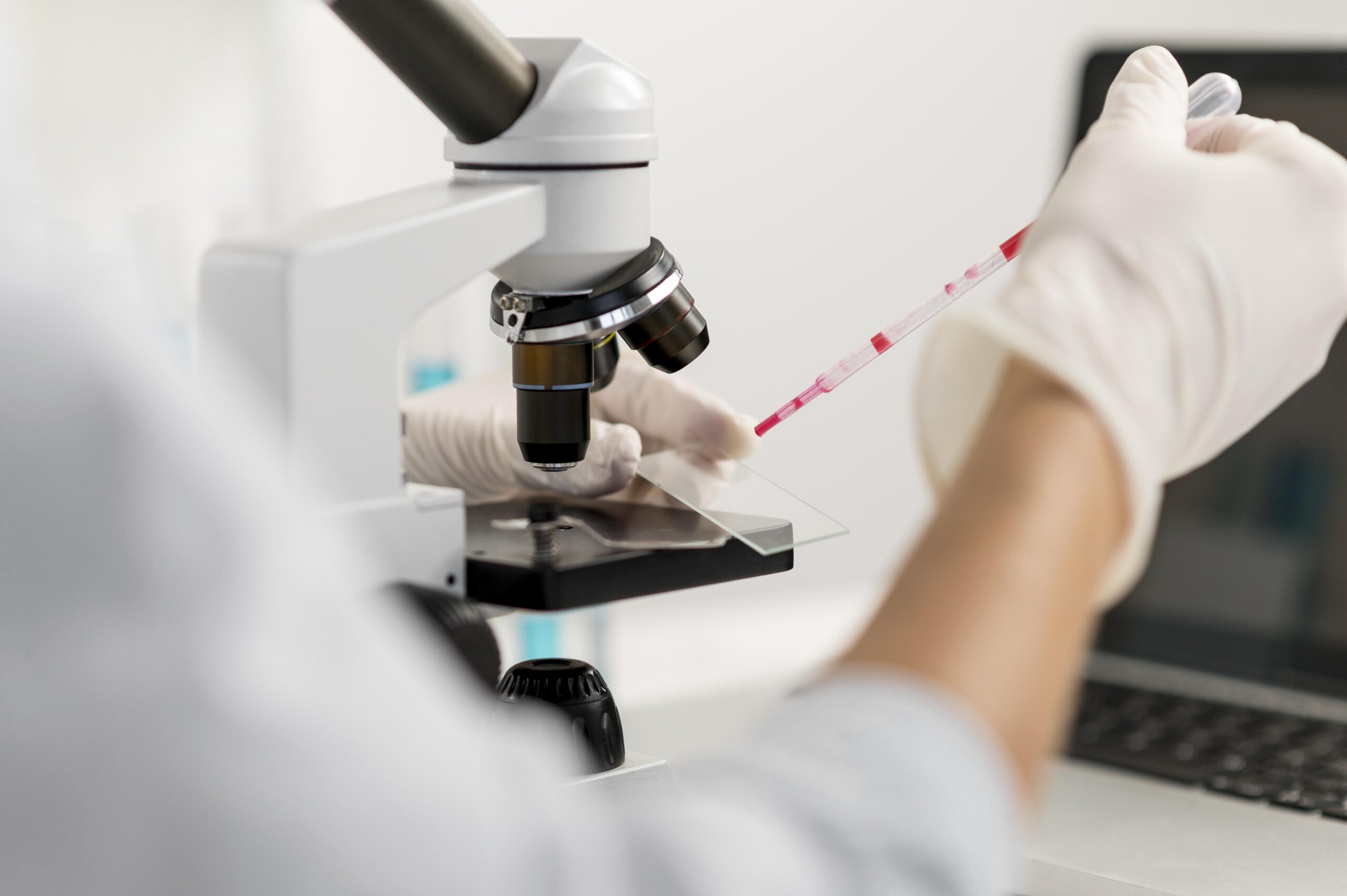
Contract manufacturing also complicates the audit procedure. LPPOM, as an authorized Halal Inspection Agency (LPH), must conduct on-site inspections at production locations. This means audits extend beyond brand owners to include the maklon facilities themselves. For contract manufacturers serving multiple brands, adherence to halal requirements must represent a core commitment, not merely an additional service offering.
The Complexity of Ensuring Clean Facilities
In practice, guaranteeing that maklon facilities remain free from prohibited substance contamination presents significant challenges. Strict management systems must be implemented, including segregated production lines, thorough cleaning protocols, and detailed raw material documentation. All these elements require verification by halal auditors.
“The inspection process ensures that within the same facility, no impure materials are used in producing other products,” Muti stresses.
To address these complexities, LPH LPPOM offers the Halal On 30 program, accessible through bit.ly/HalalOn30, where businesses can comprehensively understand the halal certification process in just 30 minutes. This initiative provides practical solutions for entrepreneurs to grasp certification procedures without significant time investment.
Maklon as a Competitive Advantage
The trend toward contract manufacturing will likely continue rising alongside the proliferation of local cosmetic businesses. However, awareness about selecting halal-compliant maklon services must become a priority. For cosmetic brands, neglecting this aspect could mean losing the trust of increasingly discerning Muslim consumers.
The halal cosmetics industry represents more than a passing trend—it addresses genuine consumer needs. In the global marketplace, Indonesia’s position as one of the largest halal cosmetics consumers presents a golden opportunity. However, this potential can only be maximized when all stakeholders, including contract manufacturers, understand and comply with halal requirements.
As Muti emphasizes, “If not addressed from the beginning, beyond ingredients, maklon is certainly important, because nowadays maklon services are extremely common.”
Looking Forward: Building Trust Through Compliance
Moving forward, contract manufacturers capable of guaranteeing halal processes will gain significant value in the eyes of both brands and consumers. They become more than production partners—they serve as guardians of halal integrity, forming the foundation of trust within this industry.
For cosmetic businesses serious about entering the halal market, due diligence in selecting manufacturing partners is non-negotiable. The right maklon facility doesn’t just produce products; it protects brand reputation and ensures compliance with religious principles that matter deeply to target consumers.
In an era where transparency and authenticity drive consumer decisions, the choice of manufacturing partner can make or break a cosmetic brand’s success in the lucrative halal market. The message is clear: scrutinize your maklon partner before production begins, or risk facing costly certification failures that could have been prevented with proper vetting.
Original Article:
Halal MUI. (2025, September 30). Bisa Jadi Batu Sandungan, Ini Alasan Pentingnya Selektif Pilih Jasa Maklon Kosmetik. Retrieved from https://halalmui.org/bisa-jadi-batu-sandungan-ini-alasan-pentingnya-selektif-pilih-jasa-maklon-kosmetik/