New Halal Certification Regulation: Products Without Halal Labels Will Be Illegal
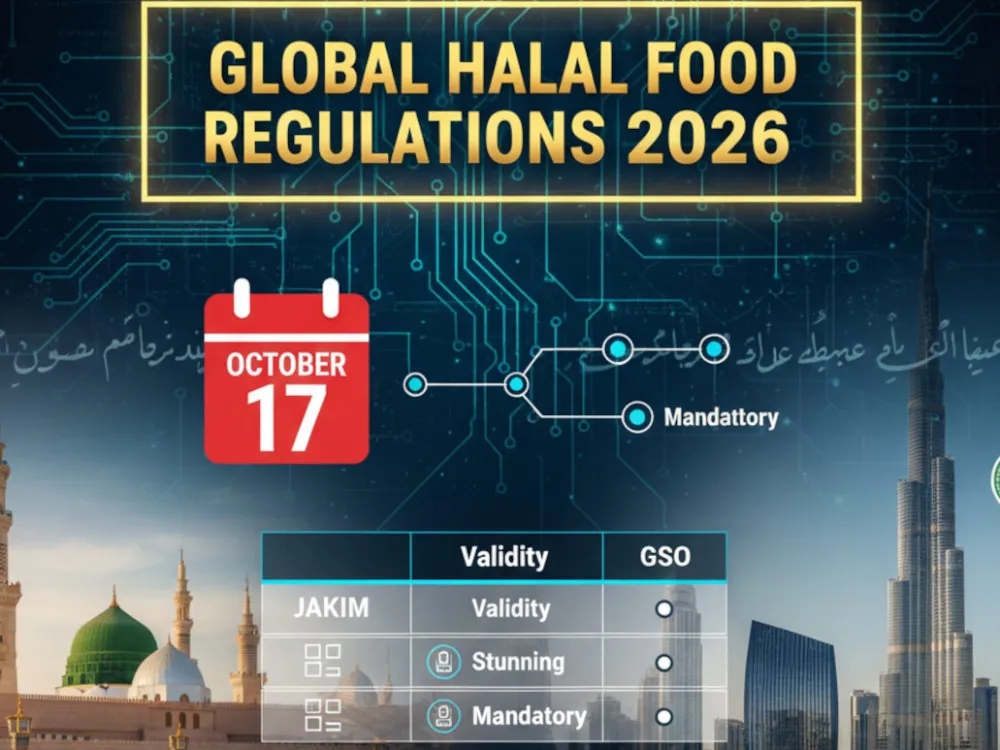
JAKARTA – Indonesia is set to implement a comprehensive mandatory halal certification policy that will fundamentally change the landscape for product manufacturers and distributors. Starting October 18, 2026, any products lacking halal certification will be classified as illegal goods.
Comprehensive Coverage Across Product Categories
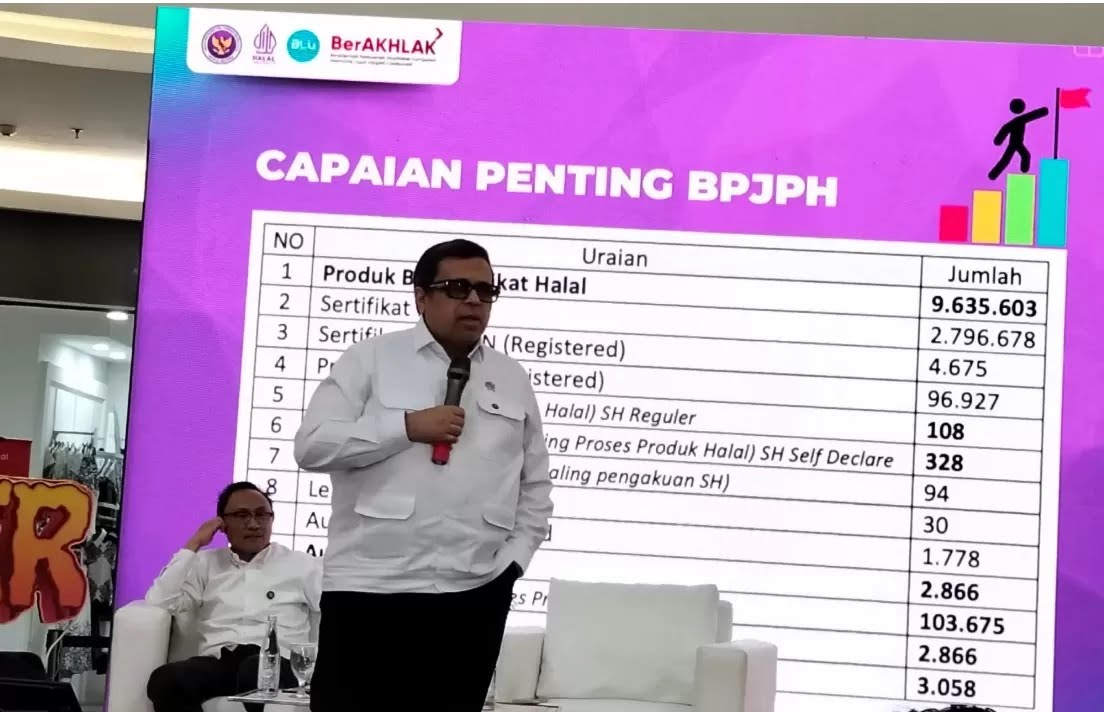
Ahmad Haikal Hasan, Head of the Halal Product Assurance Agency (BPJPH), emphasized that this regulation is mandated by the Halal Product Assurance Law. Speaking in Cibubur, Bekasi City on Monday, October 6, the official known as Babe Haikal made the government’s position crystal clear.
“Next year, halal certification becomes mandatory. If it’s not halal, then it’s illegal,” he stated unequivocally.
The scope of this requirement extends far beyond just food and beverages. The mandatory halal certification encompasses a wide range of consumer products, including:
- Skincare products
- Shampoos and hair care items
- Toothpaste and oral hygiene products
- Cosmetics
- Pharmaceuticals and medicines
Extended Grace Period Ending Soon
While the regulation technically came into effect for food and beverage products in October 2024, the government granted an extension period recognizing the challenges faced by businesses, particularly small and medium enterprises (SMEs), in obtaining certification.
This extension was specifically designed to give business owners additional time to complete the certification process. However, Haikal made it clear that there will be no further extensions beyond October 2026.
“For next year, there will be no more extensions. The rules are finalized,” he emphasized firmly.
Free Certification Program Available
To support businesses in meeting this requirement, the government has launched a free halal certification program. This initiative has already shown significant success, with over 700 Tegal food stalls receiving halal certificates in the past year alone.
Haikal strongly urged business operators, especially those running small and medium-sized enterprises, to immediately begin the certification process to avoid being caught unprepared when the deadline arrives.
Real-World Consequences
The BPJPH chief highlighted the serious business implications of non-compliance by referencing a recent case. A legendary fried chicken restaurant in Solo remains closed due to issues related to halal labeling, serving as a cautionary tale for other businesses.
“Imagine the revenue they should have been earning. Think about the workers who depend on that place for their daily livelihood,” Haikal pointed out, illustrating the far-reaching economic impact of failing to comply with halal certification requirements.
Beyond Religious Compliance
Haikal stressed that mandatory halal certification transcends religious considerations alone. The requirement represents a commitment to broader principles of consumer protection.
“The halal obligation isn’t only about Islamic religion, but also concerns quality, cleanliness, and safety,” he explained.
This perspective positions halal certification as a comprehensive quality assurance system that benefits all consumers, regardless of their religious background, by ensuring products meet rigorous standards for hygiene, traceability, and safety.
Preparing for Implementation
With less than a year remaining before the October 2026 deadline, businesses across Indonesia must take immediate action. The free certification program represents a significant opportunity for SMEs to comply with the new requirements without financial burden.
The enforcement of this regulation marks a pivotal moment in Indonesia’s consumer protection framework, establishing halal certification as a non-negotiable standard for product legitimacy in the Indonesian market.
Original Article:
Radar Pasuruan. (2025, October 6). Ini Aturan Baru! Produk Tanpa Label Halal Jadi Ilegal. Retrieved from https://www.google.com/amp/s/radarpasuruan.jawapos.com/nasional/amp/2196666664/ini-aturan-baru-produk-tanpa-label-halal-jadi-ilegal