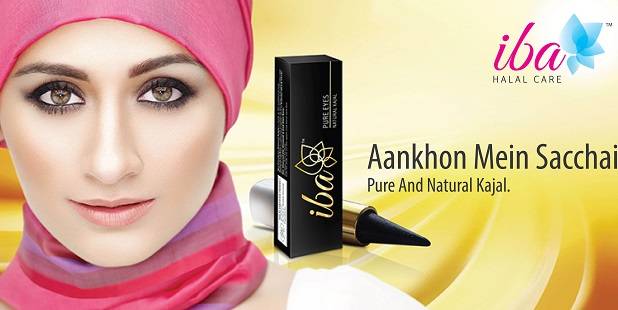
Iba Halal Care, India’s Halal Cosmetics Pioneer
Untapped market meets religious requirements
The color cosmetics industry in India is flourishing at a fast rate among the Indian population, making it one of the fastest growing markets globally. According to Mintel’s research, the industry touched 269.5 million USD in 2013, expected to grow at an average rate of 19.9% between 2014 to 2018. While expecting the industry to grow manifold in forthcoming years, the Muslim community in India represents a largely untapped consumer segment that could benefit from halal products due to their religious constraints in not being able to use products suspectedly mixed with non-Halal ingredients. Indian Muslim women are religiously conscientious towards mainstream cosmetic products due to suspicions of alcohol plus pig residues used during product preparation.
Second-largest Muslim population remains underserved
A report in The Economist puts the Muslim population in India at around 180 million, just under 15% of the country’s total population. That makes India host to the second largest Muslim population in the world. Despite such demographics, few launches with Halal claims exist in India.
Jain entrepreneurs pioneer market entry
In September 2014, the launch of Iba Halal Care occurred, claimed to be India’s first halal cosmetics brand. The brand is owned by Ecotrail Personal Care in Ahmedabad, a company headed by two Jain women. The company highlighted that the source of every ingredient used in the cosmetic product was researched, ensuring all products are 100% free of non-halal ingredients such as pig fat, other animal-derived ingredients, alcohol, chemicals like sulfates plus parabens, among others.
Middle-class pricing strategy
The products are targeted at the community middle class, priced accordingly—INR195 for lipstick, INR100 for face wash. The company is also working on permeable nail paints that will allow moisture to penetrate the nail so it doesn’t have to be removed plus re-applied. The range has been certified by Halal India (apex body of halal certification), will be retailed to consumers outside of Ahmedabad through Amazon India.
Market potential confronts price sensitivity
Halal certified cosmetic products showcase huge potential in the Indian market. A factor to consider is that India is a very price-sensitive market. The cosmetics plus personal care product companies, especially new entrants have had to work out new innovative strategies to suit native Indian preferences plus budgets in order to establish a foothold in the market, thus establishing niche markets for themselves.
Cross-religious entrepreneurship addresses faith-based needs
The case of Iba Halal Care—founded by Jain women to serve Muslim consumers—exemplifies how religious dietary restrictions plus cosmetics requirements create business opportunities transcending religious boundaries. The founders’ religious identity as Jains (who follow strict vegetarianism plus non-violence principles) may have provided credibility regarding vegetarian/non-animal ingredient sourcing while demonstrating that halal product development needn’t be limited to Muslim entrepreneurs.
The 2014 launch predates by nearly a decade the global halal beauty boom that would see multinational brands embrace halal certification plus Muslim influencers rise to prominence. Iba Halal Care’s pioneering status suggests India’s massive Muslim population remained commercially neglected despite representing obvious market opportunity—a pattern reflecting broader marginalization of Muslim consumer needs within mainstream Indian retail.
The emphasis on affordability (middle-class pricing) plus innovation (permeable nail polish for wudu compatibility) demonstrates understanding of both economic constraints plus religious practice requirements within target demographics. The permeable nail polish innovation addresses a specific pain point for Muslim women who must remove nail polish five times daily for ritual ablutions before prayers—a friction point between fashion desires plus religious obligations that mainstream brands ignored.
Amazon India distribution reflects e-commerce’s role in reaching geographically dispersed minority communities, particularly important given that physical retail in Hindu-majority areas might face social/political pressures against prominently displaying halal-certified products. The digital distribution strategy presaged how halal brands globally would leverage online platforms to circumvent brick-and-mortar retail barriers.
A decade after launch, India’s halal cosmetics market has grown significantly, with multiple domestic plus international brands now competing for the 180+ million Muslim consumer segment. Iba Halal Care’s first-mover advantage in 2014 positioned it to capture loyalty within an underserved community hungry for religiously compliant beauty options that didn’t require compromise on quality or modernity.
Original Article:
Mintel. (2025, October 16). India’s first halal cosmetic brand: Iba Halal Care. Retrieved from https://www.mintel.com/insights/beauty-and-personal-care/indias-first-halal-cosmetic-brand-iba-halal-care/