Vegan Cosmetics Don’t Automatically Qualify as Halal: LPPOM MUI Explains Why
JAKARTA – Cosmetic products labeled as vegan are not necessarily halal, according to Indonesia’s Food, Drug, and Cosmetics Assessment Institute of the Indonesian Ulema Council (LPPOM MUI).
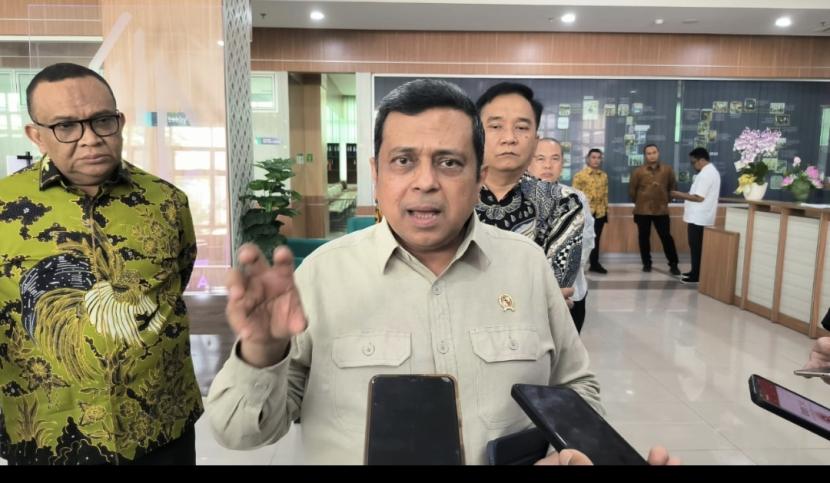
“Actually, it’s not necessarily (halal), meaning there are many other aspects we must consider regarding vegan products,” said Dr. Ir. Mulyorini Rahayuningsih Hilwan, M.Si., Halal Audit Quality Board member of LPPOM MUI, during Cosmobeaute Indonesia 2025 at ICE BSD, Tangerang Regency, Banten, on Thursday, October 9, 2025.
Understanding the Distinction Between Vegan and Halal
According to Mulyorini, vegan cosmetic formulas guarantee the absence of animal-derived ingredients, but this doesn’t ensure the entire production process is free from prohibited or impure substances.
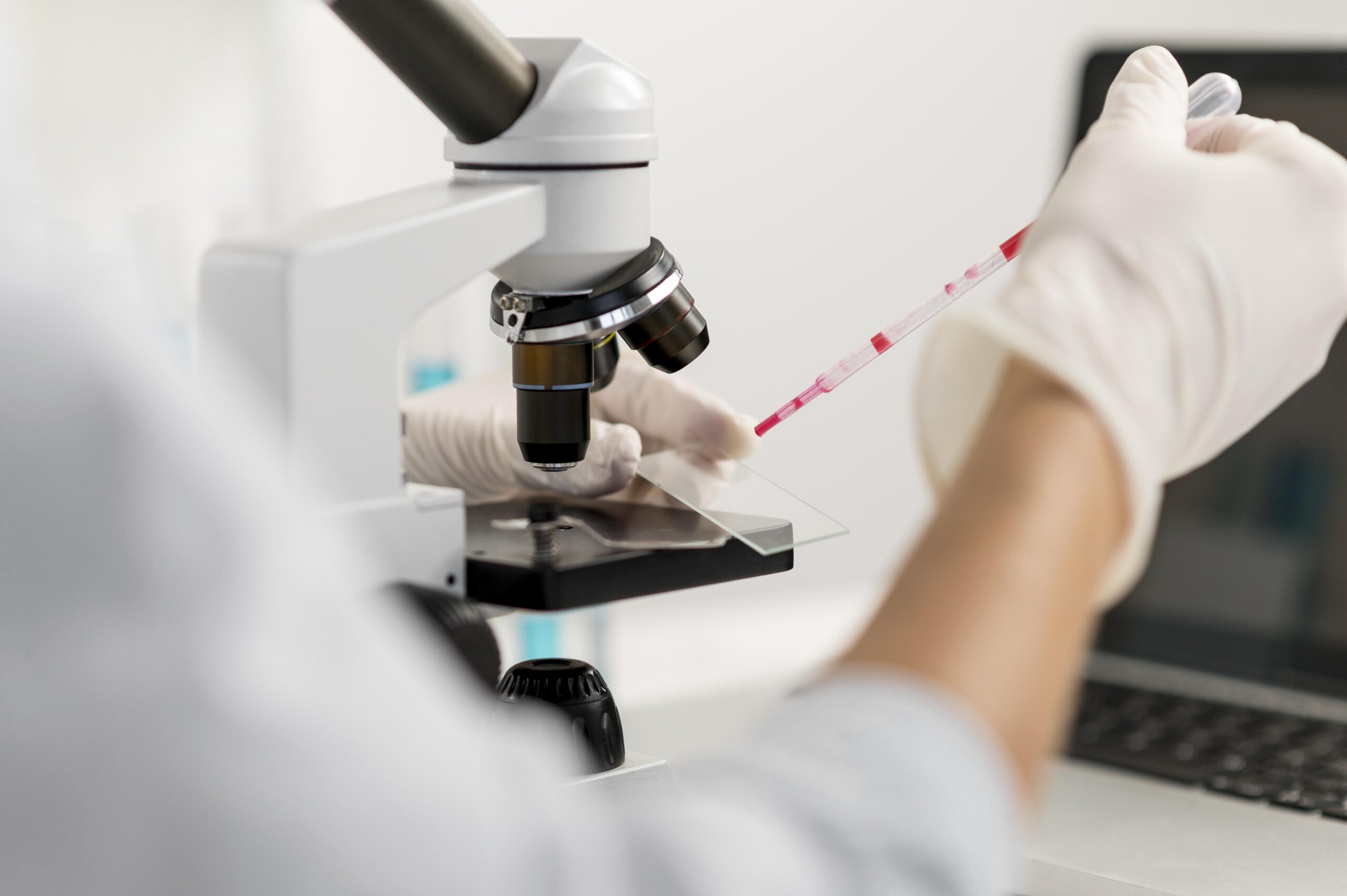
“Vegan essentially only confirms that there are no animal-derived materials in a product’s production process. In vegan laboratory testing, they use specific tests. But can we guarantee they can test materials down to which level?” Mulyorini questioned.
“Because a material is sometimes composed of ingredients, then supporting materials, and additional materials. Supporting materials are substances present in the product but don’t become part of the final product because they’ve been separated,” she explained.
For instance, during raw material manufacturing, there’s a possibility of using auxiliary substances sourced from non-halal origins. This is why halal certification involves stricter and more comprehensive procedures.
In halal verification, LPPOM MUI ensures the entire production chain—from raw materials, additives, factory facilities, to packaging—genuinely meets halal criteria and is free from impurities.
Determining Whether an Ingredient is Halal
Mulyorini outlined that the first step in determining an ingredient’s halal status is tracing its source and origin.
“First, we examine the source. The ingredient source must come from materials that meet halal requirements. Clearly forbidden materials mentioned in the Quran include carrion, blood, pork, alcoholic beverages, and animals not slaughtered in Allah’s name,” Mulyorini clarified.
Following this, ingredients must be verified through supporting documentation from manufacturers. If the ingredient derives from animals, a halal slaughter certificate must be included. However, if the ingredient appears on the positive list established by the Halal Product Assurance Organizing Agency (BPJPH), additional documentation isn’t required.
She added that cosmetic ingredients today aren’t always natural. Many synthetic or engineered materials require further examination to ensure their production media doesn’t contain forbidden elements.
“Nowadays, many ingredients come from microbial sources, and the media could potentially contain pork or impure substances. That’s why halal certification must trace down to the level of auxiliary materials,” she stated.
Beyond Ingredients: Ethical Considerations
Besides ingredients and processes, LPPOM MUI also evaluates product ethical aspects, from names, shapes, to packaging appearance, ensuring they don’t conflict with Islamic values. All these elements form a unified whole in determining halal status.
Advice for Consumers
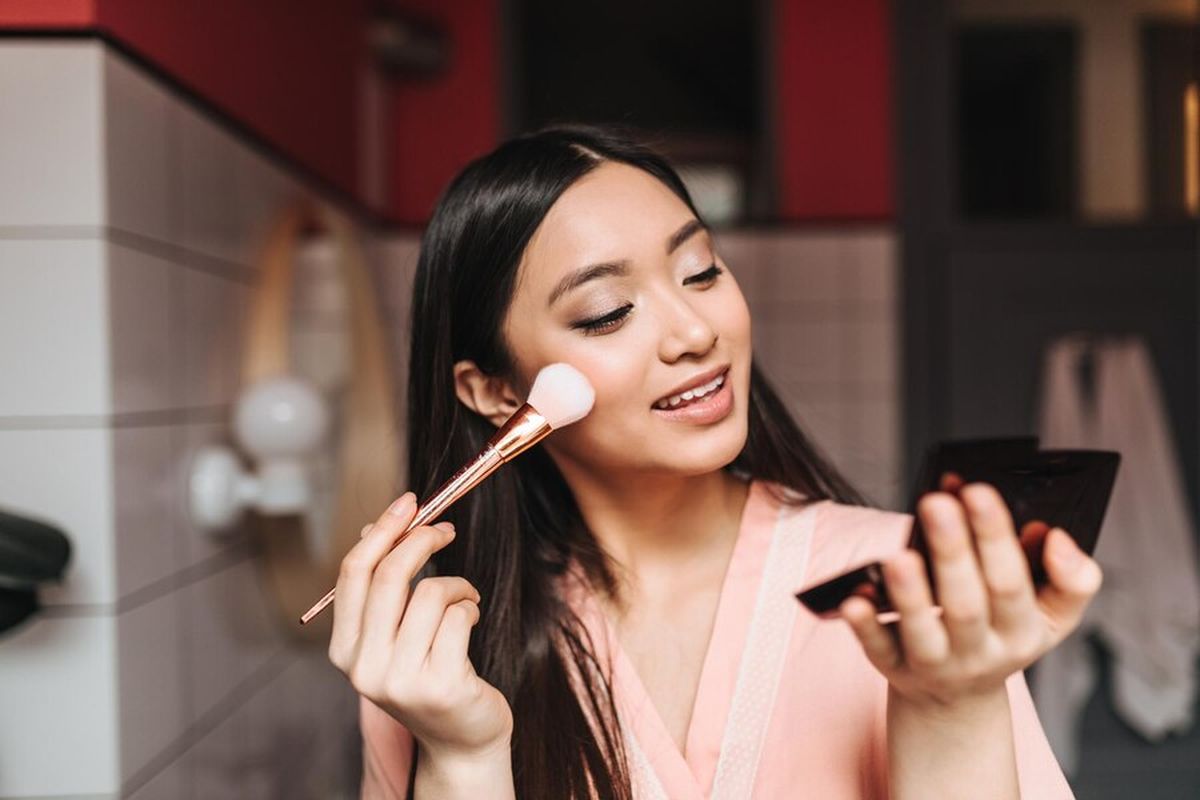
Consumers are encouraged to be more discerning when choosing cosmetic products. While vegan labeling indicates the absence of animal-derived ingredients, it doesn’t automatically guarantee halal compliance according to Islamic standards.
For those seeking products that align with both ethical and religious requirements, looking for official halal certification from recognized bodies like LPPOM MUI provides greater assurance. This certification confirms that products have undergone rigorous examination covering all aspects of production, from ingredient sourcing to manufacturing processes and packaging.
The Importance of Comprehensive Certification
This explanation highlights the complexity of halal certification compared to vegan labeling. While both concepts promote ethical consumption, halal certification encompasses broader considerations rooted in Islamic law, including:
- Complete supply chain verification
- Manufacturing facility cleanliness and separation from non-halal production
- Verification of all processing aids and intermediary materials
- Compliance with Islamic ethical standards in branding and presentation
As the beauty and cosmetics industry continues growing in Indonesia, understanding these distinctions helps consumers make informed choices that align with their values and religious obligations. The presence of proper halal certification provides peace of mind for Muslim consumers seeking products that meet comprehensive Islamic standards beyond just ingredient lists.
Original Article:
Kompas. (2025, October 20). Mengapa Kosmetik Vegan Belum Tentu Halal? Ini Penjelasan LPPOM MUI. Retrieved from https://www.google.com/amp/s/www.malaymail.com/amp/news/malaysia/2025/10/20/factory-in-sg-petani-found-using-halal-logo-without-permission/195304