Viral Pork Meatball Vendor in Bantul Installs “Non-Halal” Banner: Islamic Council Explains
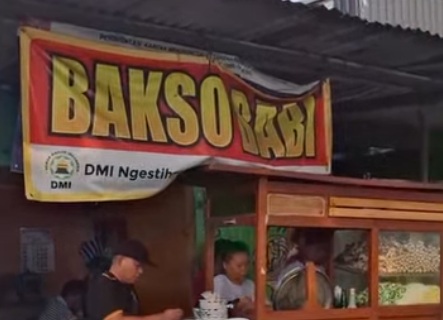
JAKARTA – Bantul Regency, renowned for its cultural tourism and traditional cuisine, has recently captured public attention due to a pork meatball (Bakso Babi) stall in the Ngestiharjo area of Kasihan district that prominently displays a “Non-Halal” banner.
The Story Behind the Viral Banner
The establishment went viral on social media after a large banner reading “Bakso Babi (Tidak Halal)” (Pork Meatballs – Not Halal) was clearly displayed in front of the stall. While the signage has sparked both support and controversy, the business itself is far from new. The owner has been selling pork-based meatballs since the 1990s—long before halal and non-halal labeling became a widespread topic of discussion.
Location and Appearance
The Pork Meatball (Non-Halal) stall is located in Ngestiharjo, Kasihan Subdistrict, Bantul Regency, in the Special Region of Yogyakarta. Its location is quite strategic and easily found, situated along the main road connecting Bantul and Yogyakarta City.
From the outside, the stall appears simple and similar to typical meatball shops. However, what distinguishes it is the prominent banner stating “Bakso Babi (Tidak Halal)” (Pork Meatballs – Not Halal)—a form of transparency from the seller to customers to prevent misunderstandings, particularly for Muslim consumers.
Community Response and Official Involvement
The presence of this signage sparked heated discussions online. The Indonesian Mosque Council (Dewan Masjid Indonesia/DMI) and the local Indonesian Ulema Council (Majelis Ulama Indonesia/MUI) intervened, installing additional notices to ensure the community understands that the establishment sells non-halal products.
DMI’s Explanation
Arif Widodo, Chairman of DMI Ngestiharjo, confirmed that his organization installed the banner related to the pork meatball sales. According to him, this serves as a notification to all buyers so they can read the banner before deciding whether to purchase.
“The banner was installed because there was concern from the local Muslim community who observed many Muslim buyers, including those wearing hijabs, purchasing meatballs at that location. However, the food is non-halal,” Arif explained, as quoted on Tuesday, October 28, 2025.
The Purpose of the Banner
“We needed an affirmation to communicate to the seller. The format is a banner that reads ‘pork meatballs’ with DMI’s text below. This is a form of care for the community so that they don’t consume the meatballs unknowingly and so the community knows that pork meatballs are sold there,” Arif stated.
Positive Reception
This initiative has been appreciated by many parties as it is considered helpful in maintaining tolerance among religious communities in Bantul. The local government has also urged all food business operators to clearly display halal or non-halal labels at their establishments.
Background of the Business
The business owner has been operating since the 1990s, well before the current emphasis on clear halal certification and labeling. The establishment has served customers for decades, but recent increased awareness about halal compliance prompted community leaders to take action ensuring proper identification of the products sold.
Transparency and Religious Sensitivity
The case highlights several important aspects of religious accommodation in Indonesia’s diverse society:
Consumer Awareness
The clear labeling protects Muslim consumers from inadvertently consuming products prohibited by their faith.
Business Transparency
The vendor’s cooperation in displaying the non-halal banner demonstrates respect for the religious needs of the community.
Community Leadership
The proactive involvement of DMI and MUI shows religious organizations taking practical steps to serve their communities.
Interfaith Harmony
The approach taken—clear communication rather than confrontation—exemplifies how religious diversity can be managed through mutual respect and transparency.
Implications for Food Businesses
This situation has broader implications for food vendors in Indonesia:
Labeling Requirements
Businesses selling non-halal products should clearly identify them to protect Muslim consumers.
Community Relations
Open communication with local religious organizations can prevent misunderstandings.
Legal Compliance
Following government guidance on halal labeling helps businesses operate within regulatory frameworks.
Customer Trust
Transparency builds trust with all customer segments, regardless of their dietary requirements.
Government Response
Local government authorities have reinforced the importance of clear labeling. Their recommendations include:
- All food establishments should clearly indicate whether products are halal or non-halal
- Business owners should cooperate with community and religious organizations
- Transparency should be maintained to respect religious diversity
- Proper signage should be visible and easily understood
Social Media Impact
The viral nature of this story on social media platforms has:
- Raised awareness about halal labeling importance
- Generated discussions about religious accommodation in business
- Highlighted the role of community organizations in consumer protection
- Demonstrated how traditional businesses adapt to contemporary expectations
Moving Forward
The Bantul pork meatball case serves as a practical example of how Indonesia’s diverse religious landscape can be navigated with sensitivity and clarity. The collaboration between the business owner, DMI, MUI, and local government demonstrates that religious accommodation need not be contentious when approached with transparency and mutual respect.
For Muslim consumers, the clear labeling provides assurance and protection. For the business owner, it maintains operational legitimacy while respecting community values. For religious organizations, it fulfills their responsibility to guide and protect their community members.
Conclusion
The installation of the “Non-Halal” banner at the Bantul pork meatball stall represents more than just signage—it symbolizes a commitment to transparency, religious sensitivity, and community harmony in Indonesia’s pluralistic society. The proactive involvement of DMI and the cooperation of the business owner demonstrate how potential religious conflicts can be prevented through clear communication and mutual respect.
As Indonesia continues to balance religious diversity with commercial freedom, cases like this provide valuable models for how different communities can coexist peacefully while maintaining their religious principles. The emphasis on transparency benefits everyone: it protects religious consumers, supports honest business practices, and strengthens interfaith understanding.
Original Article:
Metro TV. (2025, October 28).Viral Bakso Babi di Bantul Baru Pasang Spanduk Non Halal, Ini Penjelasan DMI. Retrieved from https://www.metrotvnews.com/read/koGCdx5n-viral-bakso-babi-di-bantul-baru-pasang-spanduk-non-halal-ini-penjelasan-dmi


