From Pig DNA to Local Reagents: LPPOM Showcases Indonesia’s Halal Science at Global Halal Summit 2025
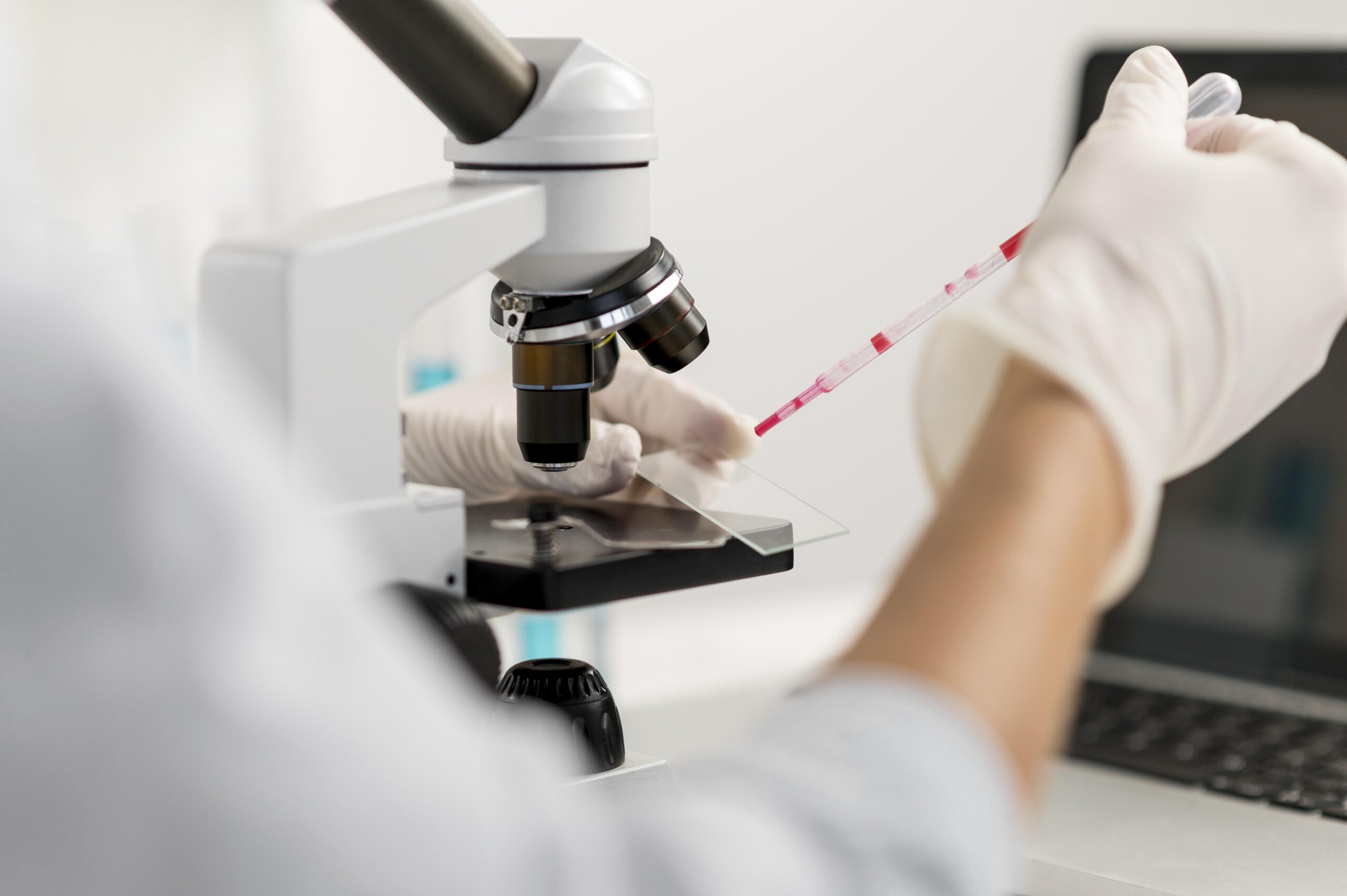
The LPPOM MUI laboratory continues to strengthen Indonesia’s position in the global halal ecosystem through scientific excellence and innovation. Supported by cutting-edge research in DNA analysis and ethanol determination, LPPOM ensures that halal-certified products meet the highest standards of reliability and integrity — making halal certification under BPJPH faster and more accessible for businesses.
Indonesia’s Scientific Footprint in the Global Halal Arena
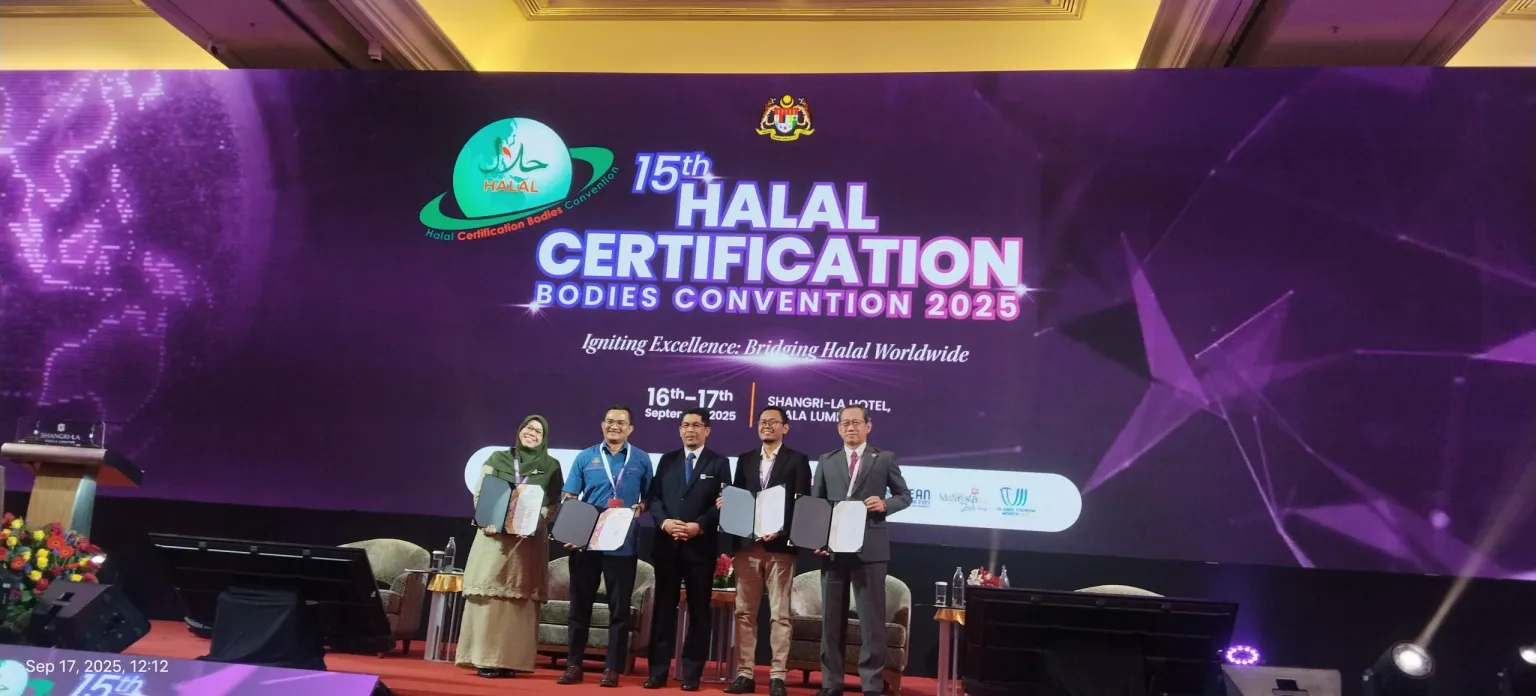
On September 17, 2025, LPPOM represented Indonesia at the Halal Certification Body Convention (HCBC) in Kuala Lumpur, Malaysia — part of the prestigious Global Halal Summit (GhaS) 2025 organized by JAKIM. The event gathered halal authorities, scholars, and industry experts from around the world.
Delivering the keynote address, Heryani, General Manager of the LPPOM MUI Laboratory, outlined Indonesia’s latest halal science initiatives — from BPJPH testing regulations to research supporting MUI fatwas and the development of local halal reagents. Her presentation highlighted how LPPOM bridges modern laboratory science with Islamic jurisprudence, ensuring transparency and credibility in halal testing.
Science Meets Shariah: Forensic Halal Research
During a session titled “Exploring Halal Forensics: Integrating Islamic Jurisprudence with Modern Science,” Heryani presented LPPOM’s ongoing research on porcine DNA detection, an essential aspect of halal authentication.
She noted that LPPOM actively participates in Technical Committee 19-07 on Biomolecular and Biotechnology under Indonesia’s National Standardization Agency (BSN) to help establish standardized methods for porcine DNA testing— including complex low-DNA samples crucial for food and cosmetic analysis.
This aligns with BPJPH Head Decree No. 78 of 2025, which mandates halal inspection institutions to conduct testing related to porcine DNA, porcine protein, and ethanol content.
Research that Shapes Fatwas
Beyond routine laboratory testing, LPPOM contributes vital research data that informs MUI’s fatwa decisions. One notable example is LPPOM’s study on ethanol levels in nabiz (fermented fruit drinks), which served as the foundation for setting the 0.5% ethanol limit in halal beverages.
“These studies don’t just prove product safety—they shape religious rulings that protect Muslim consumers,” Heryani emphasized.
Expanding the Scope of Halal Science
In addition to porcine DNA and ethanol analysis, LPPOM has expanded its expertise into other areas, including water penetration testing, human DNA identification, animal species analysis, and safety testing for food and cosmetics. These advancements not only address industry demands but also enhance the scientific foundation of Indonesia’s internationally recognized halal standards.
Collaboration and Global Recognition
The session also featured Malaysian experts such as Roslan Alias from the Department of Standards and Dr. Padillah Yahya from the Department of Chemistry, who shared their insights on halal laboratory systems in Malaysia.
LPPOM’s presentation attracted strong engagement from delegates representing countries like Ghana and Nigeria, who expressed keen interest in Indonesia’s laboratory methods and regulatory approach.
Strengthening Indonesia’s Global Halal Position
Since 2010, the HCBC has served as a platform connecting halal certification bodies, researchers, and businesses within the Global Halal Summit, which also features the Malaysia International Halal Showcase (MIHAS) and the International Halal Technical Capacity Development Program (IHTCDP).
LPPOM’s active role in GhaS 2025 reinforces Indonesia’s growing influence in shaping the global halal industry. Through rigorous research, technological innovation, and collaboration with religious authorities, LPPOM continues to strengthen consumer trust and position Indonesia as a key player in the global halal certification and testing landscape.
Original Article:
Lembaga Pemeriksa Halal (LPPOM) MUI. (2025, October 29). From pig DNA to local reagents, LPPOM presents halal research at the 2025 Global Halal Summit. Retrieved from https://halalmui.org/en/from-pig-dna-to-local-reagents-lppom-presents-halal-research-at-the-2025-global-halal-summit/