The Tech Shift Redefining Halal Certification
By Techbullion
Digital Tools Reshape Global Food Compliance
The halal food sector is expanding rapidly, heading toward a projected value of nearly $3 trillion by 2030. This momentum reflects the demands of 1.8 billion Muslim consumers worldwide as well as the growing use of halal standards as indicators of quality, safety, and ethical production. Yet this surge has exposed the limits of traditional certification systems built on manual inspections, paper files, plus occasional on-site audits.
For years, halal certification has depended on physical checks, extensive paperwork, and slow verification cycles. These methods create trade bottlenecks, elevate costs, and increase the likelihood of human error or fraudulent practices. As consumer expectations rise and cross-border regulations tighten, the global food industry is under pressure to modernize.
The Bottlenecks of Manual Certification
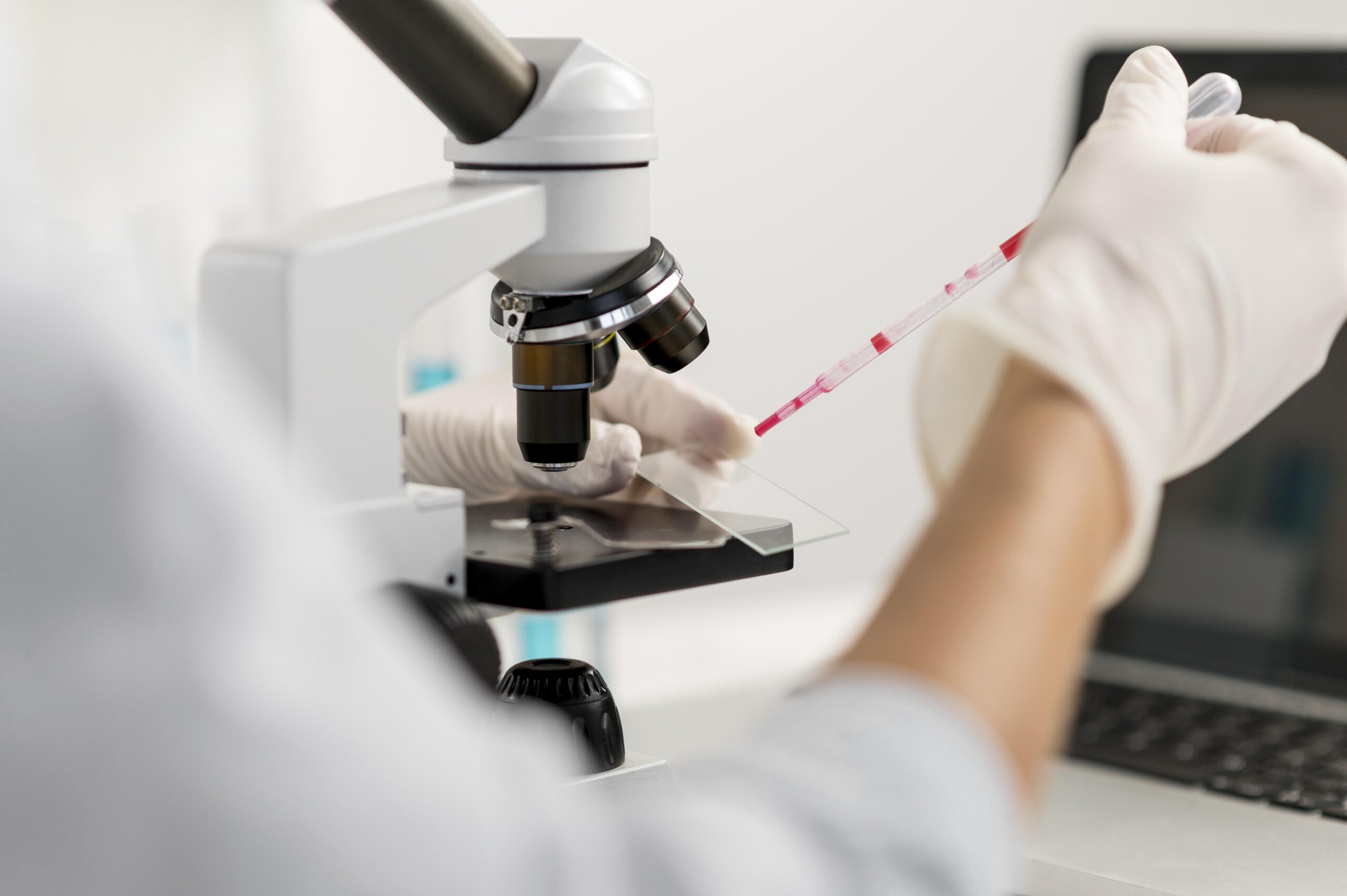
Traditional halal audits rely on inspectors visiting manufacturing plants, slaughter facilities, and processing lines. These trips are costly and often take weeks to arrange, especially for companies operating across several countries. Paper documentation adds another layer of complexity—certifiers must manually review ingredient certificates, equipment logs, storage records, and transport paperwork.
Tracking modern supply chains is even more challenging. A single product may contain ingredients sourced from multiple countries. Paper-based systems struggle to trace each component all the way back to its origin, creating gaps that can lead to contamination or intentional fraud. Counterfeit certificates and mislabelled products further undermine trust in halal claims.
How Technology Closes the Gaps
Artificial intelligence is transforming document verification. AI systems can scan and analyse supplier certificates, ingredient lists, and production documents within minutes. These tools cross-check every component against halal ingredient databases and flag missing or non-compliant items automatically for human review.
Machine learning is reshaping visual verification. Computer vision tools assess images or videos from production sites to confirm separation between halal and non-halal lines, evaluate cleaning procedures, and monitor welfare practices at slaughterhouses.
Blockchain strengthens supply chain transparency by recording every stage of a product’s journey in immutable digital ledgers. Once an item is certified at slaughter or production, each subsequent step—from processing to retail—is logged with timestamps and verification codes. Regulators, companies, and consumers can trace a product’s entire path instantly.
Digital certification platforms streamline applications, audit scheduling, documentation upload, and certificate issuance. Cloud-based systems integrate with ingredient databases and supplier networks, reducing what used to take months into weeks or even days.
Consumer technology is evolving as well. QR codes on packaging allow shoppers to confirm halal status using their smartphones, revealing certification data, certifier credentials, and full supply chain histories. IoT sensors monitor temperature, location, and packaging integrity, sending real-time alerts if issues arise.
Why Companies Are Embracing Digital Tools
Food manufacturers adopting digital certification report much shorter approval timelines—often half the duration required under manual systems. Reduced paperwork, fewer on-site audits, and automated verification bring significant cost savings. Remote audits lower travel expenses for both certifiers and companies.
Digital certificates also ease international trade. More countries now accept electronic halal documentation, minimizing border delays caused by paper checks. Global market access becomes smoother and more predictable.
Consumer trust rises when shoppers can trace a product’s journey instantly. Increased transparency boosts loyalty and supports premium pricing for verified halal products.
Improved traceability strengthens food safety responses. Blockchain systems can pinpoint affected batches during contamination events within hours, preventing unnecessary large-scale recalls.
Worldwide Adoption
Digital halal certification is gaining traction globally.
- In the Middle East, countries such as the UAE and Saudi Arabia are rolling out national digital certification platforms linked to customs systems.
- Europe is modernising its frameworks as demand grows, with several certification bodies already offering fully digital processes.
- In the United States, food producers partner with tech-driven certifiers to reach halal markets domestically and abroad.
- Malaysia and Indonesia, major players in the halal industry, are advancing digital ecosystems supported by government-backed certification bodies like JAKIM.
Governments recognise the broader benefits of digital systems: improved oversight, reduced corruption risks, streamlined market entry for local producers, and strengthened international trade.
What’s Coming Next
The next stage of innovation will push current systems further. Fully autonomous AI audits combining document review, video monitoring, sensor data, and predictive analytics are emerging. Continuous compliance verification may replace periodic renewals.
Global digital certification portals are under development to unify international standards. A product approved in one country could soon be automatically recognised worldwide.
Real-time compliance dashboards will allow every supply chain actor to monitor halal status live. Automated alerts will flag issues instantly.
Smart packaging will usher in a new era of consumer interaction—temperature-sensitive labels, freshness indicators, and NFC chips providing rich multimedia data from production to shelf.
Even satellite imaging and drones may join future compliance systems, bringing unprecedented visibility to remote farms and production sites.
Conclusion
Technology is reshaping halal certification from a slow, paper-heavy process into a fast, reliable, highly transparent system. AI accelerates documentation checks, blockchain secures supply chain data, digital platforms simplify workflows, and consumer tools deliver clarity at the point of purchase. These innovations strengthen the entire halal ecosystem—enhancing efficiency for companies, accuracy for certifiers, oversight for regulators, and trust for consumers.
With the halal market expanding rapidly, digital transformation is not just helpful—it is essential. Companies adopting these tools now will lead the next era of global halal commerce, while those relying on outdated manual systems risk falling behind.
Original Article:
TechBullion. (2025). How technology is transforming halal certification and global food compliance. TechBullion. Retrieved from https://techbullion.com/how-technology-is-transforming-halal-certification-and-global-food-compliance/