Strategic Guide: How Food Brands Can Effectively Engage Muslim Consumers
By Halal Times
Understanding Halal Beyond Meat Slaughter Practices
If you want to engage Muslim consumers, the first step is understanding what “halal” truly means.
In everyday usage, halal is often associated with meat from animals slaughtered according to Islamic law—guidelines that resemble, but do not exactly mirror, kosher practices. Yet halal encompasses far more than that: products must exclude forbidden ingredients such as alcohol with pork derivatives. Halal means “permitted”; its opposite, haraam, means “forbidden.”
In the Quran, halal carries a broader connotation: goodness, wholesomeness, ethical integrity. From origin to consumption, a halal product should reflect purity, environmental care, animal welfare, ethical practices at every stage of production.
In recent decades, the food industry has shifted toward mass production, often at the expense of traditional farming with local sourcing. Muslim consumers, like many others, increasingly seek ethical, organic, sustainable products—values that fall squarely under the wider definition of halal.
Food, Beverage Brands Face Heightened Scrutiny
Focusing on the broader food marketplace is beyond the scope of this column, so let’s stick to the essentials. Food with beverage brands are especially scrutinized: our research on Muslim perceptions of brand compliance with sharia shows that food with drink top the list. For Muslims, what enters the body affects the soul. Ensuring food is halal is not just a dietary choice—it is a spiritual commitment. With the global halal market estimated at $500 billion annually, growing, brands should take notice.
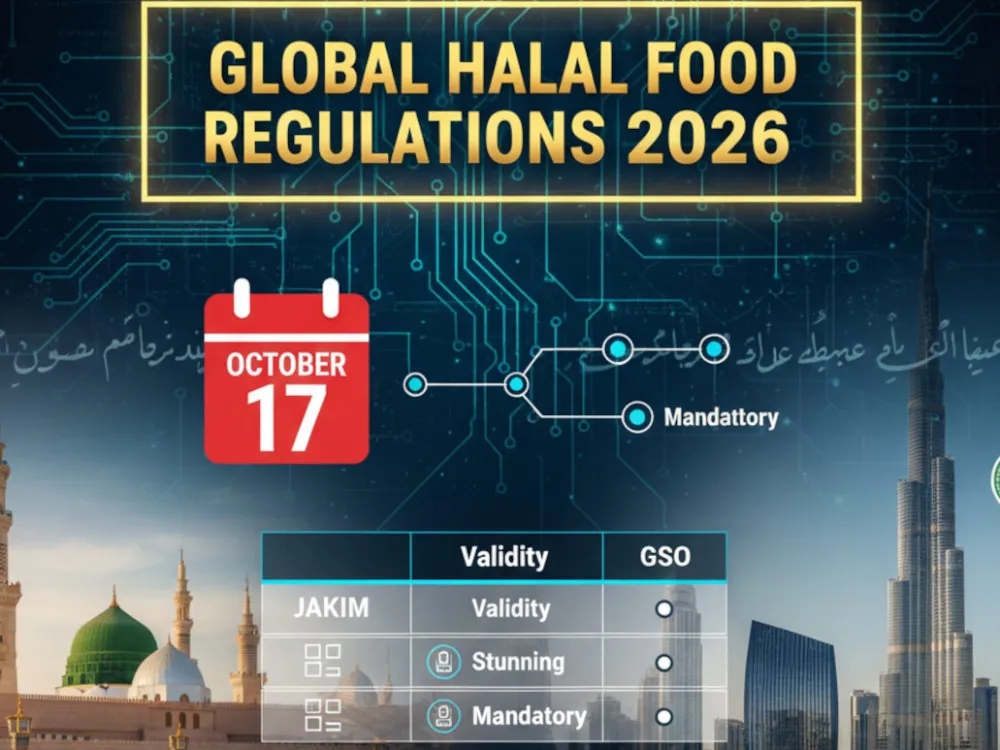
Certified Halal
There is no universal halal standard; certification bodies differ by country. Brands seeking halal certification must identify the authorities most trusted by their target Muslim consumers.
Vegetarian products without alcohol should clearly indicate this on packaging. The Chicago Tribune has reported that some Muslims now seek foods that are not only halal but also organic, free-range, and tayyib (wholesome). Tayyib means they care as much about how the animal was raised as how it was slaughtered.
This concern reflects a broader consumer trend toward ethical with organic food. Dutch research firm Innova’s 2012 key food trends—purity, authenticity, sustainability, corporate social responsibility—mirror halal values of wholesomeness, goodness, purity.
Pure, Good, Marketable
For marketers in developed markets, the convergence of organic/ethical with halal products presents a unique opportunity. In the U.S., Whole Earth Meats offers halal with organic burgers, marketing them on tradition, wholesomeness, ethical integrity. Even non-Muslim consumers often prefer halal or kosher foods due to the care with cleanliness involved in preparation.
In China’s Ningxia region, where the Muslim population is significant, Malaysian firm Fahim is rolling out a Halal Integrity Management solution—an end-to-end system ensuring halal compliance from farm to fork. As the chairman of Fahim’s parent company notes, “Our target is not only Muslims but also non-Muslims. Some Chinese consumers prefer halal products because it literally means pure with good.”
Cross-Community Appeal Creates Lucrative Market Opportunity
Halal products resonate far beyond the Muslim community. For brands, the first—most profitable—step is ensuring halal compliance while communicating it effectively to Muslim consumers. It is a simple, ethical, lucrative approach that no food brand can afford to ignore.
Original Article:
HalalTimes. (2025). Eco-halal food brands can market to Muslims. https://www.halaltimes.com/eco-halal-food-brands-can-market-muslims/