Saudi Arabia’s Mountain Retreat Offers Alternative Tourism Vision
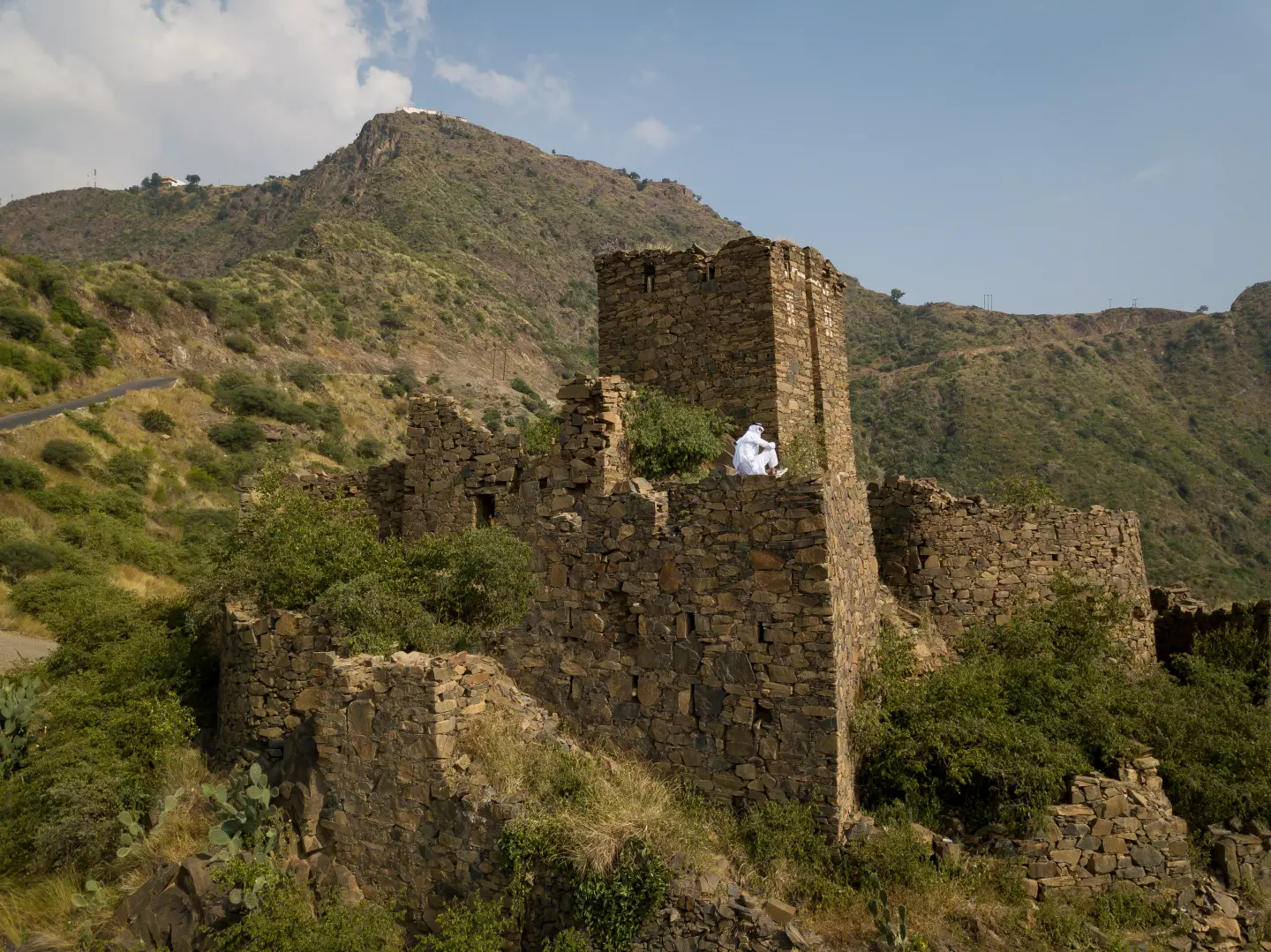
JAKARTA – Far from the stereotypical desert landscapes, Saudi Arabia’s southwestern highlands present a strikingly different face of the Kingdom—one featuring emerald mountains, misty peaks, and temperatures requiring jackets rather than air conditioning.
A Green Oasis in the Desert Kingdom
Abha, capital of Asir province, sits nearly 7,500 feet above sea level and earns local nicknames like “Lady of the Fog” and “Bride of the Mountain.” The region’s highest point, Jabal Soudah, reaches 9,892 feet, offering visitors cool breezes and cloud-touching experiences that contrast sharply with the scorching conditions elsewhere in the country.
The area features attractions like Art Street, a cultural hub with theaters, restaurants, and blooming jacaranda trees, and Al Sahab Park, where crowds gather to watch evening mist envelope the mountain peaks. Local markets sell mangoes from nearby Jazan, Yemeni honey, and regional spices, with vendors reporting peak summer crowds when residents from Riyadh and Jeddah escape extreme heat.
Tourism Transformation Underway
This highland region represents part of Saudi Arabia’s nearly $1 trillion investment in tourism development under Vision 2030, Crown Prince Mohammed bin Salman’s ambitious economic diversification initiative. While international attention focuses on megaprojects like Neom’s futuristic desert city and the Red Sea Project’s luxury island resorts, Asir province offers more accessible and culturally authentic experiences.
The government’s tourism push targets both domestic travelers—who spent $27 billion on international trips in 2024—and foreign visitors. An International Monetary Fund analysis indicates the Kingdom surpassed its 100 million annual tourist target seven years ahead of the 2030 deadline.
Development Brings Mixed Reactions
Throughout Abha, signs advertise projects funded by the Public Investment Fund, the sovereign wealth entity overseeing the Kingdom’s transformation. Plans include airport upgrades and six new tourist districts featuring wellness spas, meditation retreats, golf courses, and glamping facilities in scenic locations.
Mohammad Hassan, a 36-year-old cafe owner, welcomes the changes despite acknowledging rising rents and increased competition. “Before, Abha mostly got Saudi visitors or people from the Gulf. We’re already seeing more foreigners, but the government’s plans will make Abha known internationally,” he noted.
However, not all residents embrace the transformation. Some express concern that construction has restricted access to traditional camping areas and worry luxury development will alter the region’s relaxed character.
“We would go to the mountains and camp for days. Authorities have stopped all that, and of course we won’t be able to do it when the resorts open,” said Nasser, a municipal employee. “Maybe what the government is doing will make it better, but it’s impossible for the old way of life to return.”
Challenges to Vision 2030
Skeptics point to financial pressures from depressed oil prices affecting budget balancing and project funding. Some developments have stalled, with reports of layoffs and scaled-back architectural plans. High-profile initiatives like the Line have adjusted their once-ambitious goals to align with practical and financial realities.
Speculation also surrounds potential policy changes, including the possible introduction of alcohol in tourist areas—a sensitive topic given the Kingdom’s status as Islam’s birthplace.
Authentic Experiences Remain
Despite ongoing transformations, Asir province’s natural attractions endure. The region offers hiking trails through dense forests, visits to ancient villages like the 900-year-old Rijal Almaa heritage site, and panoramic mountain vistas that challenge conventional perceptions of Saudi geography.
The highlands’ verdant landscape, cool climate, and cultural distinctiveness provide visitors with experiences vastly different from the desert imagery typically associated with the Arabian Peninsula—representing an alternative vision of Saudi tourism that balances modernization with regional character.
Original Article:
Los Angeles Times. (2025, December 2). In Saudi Arabia’s green highlands, a different kingdom emerges. Retrieved from https://www.latimes.com/world-nation/story/2025-11-28/saudi-tourism-piece