UK Muslim Population Projected to Reach Nearly 20% by 2050
JAKARTA – Britain’s Muslim community is expected to experience substantial growth over the coming decades, with projections indicating the population could nearly triple by 2050. This demographic transformation is drawing increased attention from policymakers, researchers, and communities as they navigate the implications of a more diverse society.
Current Demographics and Growth Trends
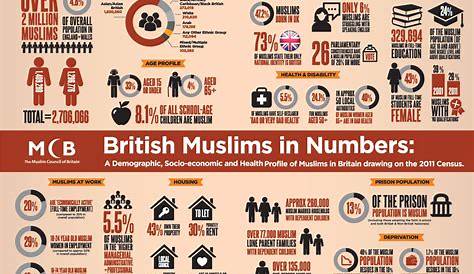
Recent census data published by the Office for National Statistics (ONS) reveals that Britain’s Muslim population has expanded by 44 percent over the past decade. In 2001, approximately 1.6 million Muslims lived in England and Wales, representing 3 percent of the total population. By 2011, this figure had risen to 2.7 million.
According to projections from research institutions, the Muslim population in the UK could increase from 6.3 percent in 2016 to potentially 17.2 percent by 2050, depending on immigration scenarios and demographic factors.
Immigration and Migration Patterns
The United Kingdom has received more regular Muslim migrants in recent years than any other European country, making it an attractive destination for economic opportunities and family reunification. This trend significantly influences demographic projections.
Under medium immigration scenarios, forecasts suggest the UK Muslim population could reach approximately 13.06 million by 2050, representing 16.7 percent of the total population. With higher immigration levels driven by refugee arrivals and continued migration, estimates rise to 13.48 million, pushing the proportion closer to 20 percent.
European Context
Britain’s demographic trajectory mirrors broader European patterns. Currently, nearly 26 million Muslims reside in the European Union. Projections indicate this number could approach 60 million by 2050, with the Muslim population potentially tripling in several European nations.
Research from various think tanks and demographic studies highlights that native European populations are experiencing lower birth rates, while Muslim immigrant communities maintain higher fertility rates—a key factor driving projected growth.
Geographic Distribution and Socioeconomic Factors
ONS data indicates that approximately 40 percent of England’s Muslim population resides in the most economically deprived local authority districts. This geographic concentration has implications for social policy, community development, and resource allocation.
Understanding these distribution patterns helps policymakers address challenges related to integration, economic opportunity, and social cohesion as the Muslim community expands.
Opportunities and Challenges
The projected growth of the UK’s Muslim population presents both opportunities and responsibilities. Demographic diversity can enrich cultural life, strengthen international connections, and contribute to economic vitality. However, it also requires thoughtful approaches to integration, community relations, and ensuring equal opportunities for all residents.
Experts emphasize that successful navigation of these demographic changes depends on policies promoting inclusion, dialogue between different communities, and addressing socioeconomic disparities that affect various population groups.
Looking Ahead
As Britain moves toward 2050, the Muslim population’s growth represents one of several demographic shifts reshaping the nation’s identity. The pace and scale of change will depend on various factors including immigration policy, birth rates, and broader social and economic conditions.
Recent comprehensive analyses from demographic research organizations continue to refine projections, providing policymakers and communities with data to plan for an increasingly diverse future.
The transformation of Britain’s religious and cultural landscape over the next quarter-century will require ongoing attention to fostering cohesive, inclusive communities where all residents can thrive regardless of their background.
Original Article:
Shababeek. (2026, January 6). Muslim Population In The Uk 2050 A Comprehensive Outlook British Numbers Census Nlysis Council Of Brit. Retrieved from https://shababeek.org/newserx/199086-muslim-population-in-the-uk-2050-a-comprehensive-outlook-british-numbers-census-nlysis-council-of-brit