Free Halal Certification Program 2026: Eligibility and Application Process
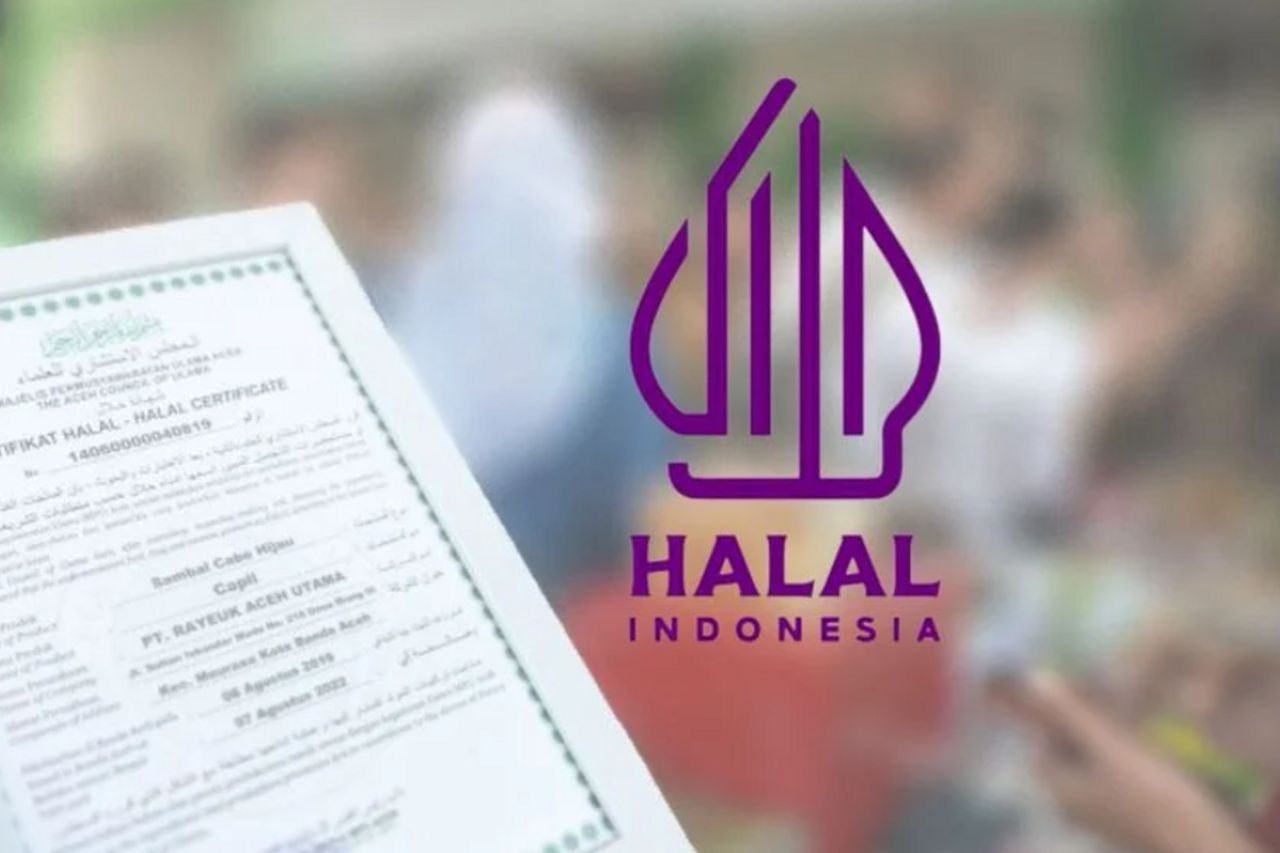
At the beginning of 2026, Indonesia’s Halal Product Assurance Organizing Agency (BPJPH) launched the Free Halal Certification program, known as SEHATI, aimed at supporting micro and small enterprises (MSEs) across the country. The initiative enables eligible businesses to obtain halal certification at no cost. Below is an overview of the program, including eligibility requirements and application procedures.
Overview of the Free Halal Certification Program
Halal certification serves as official confirmation that a product complies with Islamic dietary and ethical standards. In Indonesia, halal certificates apply to a wide range of products, including food, beverages, and cosmetics, and are issued by BPJPH under the Ministry of Religious Affairs.
The mandatory halal certification policy is regulated under Government Regulation (PP) No. 42 of 2024, which replaces PP No. 39 of 2021 on the implementation of halal product assurance. The regulation provided a five-year transition period, from October 17, 2019 to October 17, 2024. Following the end of this grace period, halal certification has become a legal requirement for products circulating in Indonesia.
Eligibility Criteria for Free Halal Certification
The SEHATI program is implemented in accordance with BPJPH Head Decree No. 146 of 2025, which outlines technical guidelines for halal certification based on self-declared halal statements by micro and small businesses. To qualify for the free certification, applicants must meet the following criteria:
- Hold a Business Identification Number (NIB) registered under micro or small enterprise scale
- Use raw materials that are guaranteed to be halal
- Operate a simple production process with halal integrity maintained throughout
- Avoid the use of any materials or processes associated with non-halal elements
- Have an annual turnover of no more than IDR 15 billion, supported by a self-declaration
- Operate a maximum of one production site and one outlet
- Ensure production facilities and equipment are separate from those used for non-halal products
- Offer products eligible for self-declaration, as specified under Decree No. 146/2025
- Avoid the use of hazardous materials prohibited by regulation
- Have undergone verification by a Halal Product Assurance (PPH) companion
- Exclude slaughtered animal products, unless sourced from certified slaughterhouses or halal-certified producers
- Use halal-certified grinding facilities for ground meat, or conduct grinding independently in compliance with halal standards
- Employ simple, manual or semi-automatic production equipment suitable for home-scale operations
- Apply simple preservation methods, limited to one technique
- Be prepared to complete all required documentation through the SIHALAL system
Application Process
Business owners seeking halal certification in 2026 can apply through the Self Declare scheme using BPJPH’s SIHALAL platform. The application steps include:
- Registering for a SIHALAL account and logging in
- Selecting the Self Declare certification scheme
- Following the system guidance
- Completing detailed information on ingredients, production processes, and facilities
- Submitting the application for verification
- Receiving the halal certificate upon successful verification by BPJPH
The SEHATI program is expected to increase halal compliance among micro and small enterprises while reducing administrative and financial barriers.
Source:
VOI. (2026). Free halal certificate 2026, see the criteria and how to. https://voi.id/en/amp/548908


