Green Beauty Meets Halal Cosmetics: Ethics, Sustainability, and the Future of Beauty
Depok, Indonesia – The global beauty industry is undergoing a major transformation as consumers increasingly demand products that not only enhance personal appearance but also respect ethical standards and environmental sustainability. At the intersection of these shifts lies a growing synergy between green beauty—focused on minimal environmental impact—and halal cosmetics, which adhere to Islamic dietary and ethical principles. Together, these approaches are shaping a new paradigm in beauty that goes beyond marketing claims to embody deeper values of transparency, responsibility, and human dignity.
Redefining Beauty: Beyond “Natural” Labels
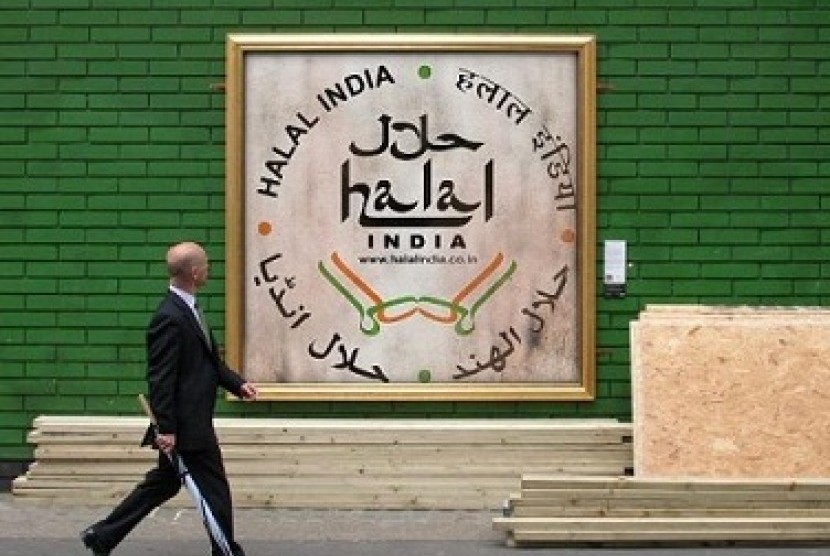
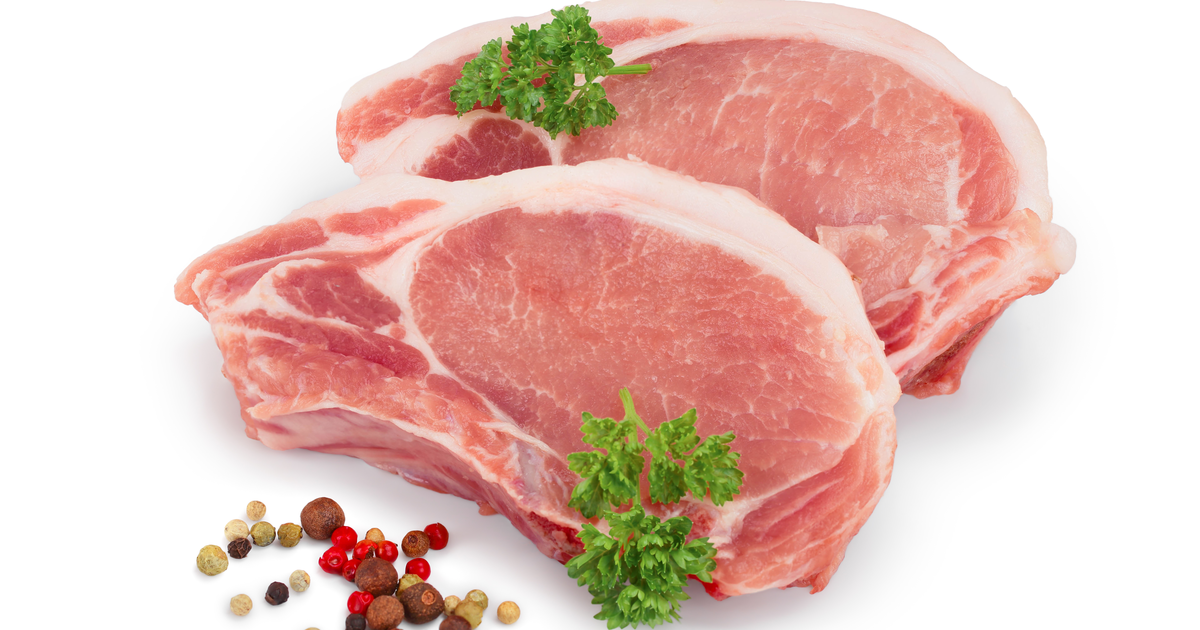
Green beauty and halal cosmetics have distinct origins but increasingly overlapping aims. Green beauty prioritizes ingredients and practices that minimize harm to the planet—cruelty-free testing, sustainable sourcing, recyclable packaging, and reduced carbon footprint—while halal cosmetics ensure products are free from prohibited substances like porcine derivatives or non-compliant alcohol, and are manufactured under rigorous traceability standards.
The synergy emerges when beauty brands commit to both environmental stewardship and ethical transparency. As highlighted at the 2025 Sustainable Cosmetics Summit, the conversation has shifted from simply using eco-friendly ingredients to ensuring complete traceability throughout increasingly complex global supply chains. A product may carry a green label, but without halal certification that verifies all inputs and processes, it does not satisfy the ethical expectations of many consumers, particularly in Muslim-majority markets seeking deeper accountability.
Consumer Trust in an Ethical Market
Research shows that many modern consumers—especially Generation Z—evaluate beauty products based on multi-dimensional values. For Muslim Gen Z consumers in Indonesia and beyond, purchase decisions are influenced not only by halal compliance but also by environmental awareness, transparency, and ethical branding. These values are linked to green trust: confidence that a brand’s sustainability claims are genuine and supported by verified practices.
In fact, studies indicate that environmentally friendly labels and halal labels can jointly increase consumer awareness and positive attitudes toward products tailored to this dual demand, ultimately shaping purchase intention among young Muslim consumers. This trend suggests that integrating green and halal elements not only meets religious requirements but also aligns with broader ethical expectations.
Halal as a Marker of Ethical Production
Halal certification, particularly under structured systems such as Indonesia’s Jaminan Produk Halal (JPH), adds value to green beauty by ensuring both ethical substance and procedural integrity. It verifies that from raw materials to finished product, beauty items are manufactured under conditions that respect human health and religious norms while adhering to strict hygiene and safety criteria.
This ethical dimension extends to how halal certification is framed within sustainability debates: it’s not simply about what is permissible under Islamic law, but about how beauty products can be produced without causing harm—to people, animals, or the environment. This perspective aligns with emerging consumer ethics that view beauty through a lens of environmental justice and social responsibility.
Innovation and Transparency for the Next Generation
The industry’s future will likely be shaped by how well brands respond to the complex expectations of modern consumers, particularly younger segments who are digitally savvy and values-driven. Research suggests Generation Z looks beyond religious compliance to ethical values, sustainability, and brand authenticity when choosing beauty products. Social media and digital platforms are critical in shaping these perceptions, amplifying consumer demand for transparency and responsibility.
This indicates that halal cosmetics producers who integrate sustainability from ingredient sourcing to packaging—without compromising on either environmental credentials or halal compliance—will be better positioned to maintain relevance in a competitive and ethically conscious market.
A Path Toward Ethical and Sustainable Beauty
The convergence of green beauty and halal cosmetics reflects a broader shift in beauty culture toward holistic ethics. It acknowledges that consumers increasingly see beauty not just as personal enhancement but as a reflection of deeper values: care for oneself, respect for creation, and responsibility for community and planet.
As the industry evolves, brands that successfully merge environmental stewardship with stringent halal integrity will not only meet regulatory and religious demands but also advance a new standard of beauty that respects humanity and the earth alike—a standard that appeals to both Muslim and non-Muslim consumers seeking meaning and responsibility in their choices.
References
Halal MUI. (2024). Sinergi green beauty dan kosmetik halal: Arah baru industri kecantikan.
Hamdani, A., Abid, M., & Rahman, A. (2023). Factors influencing Muslim Generation Z consumers’ purchase intention toward halal cosmetic products. Journal of Islamic Marketing, 15(1), 221–240.
Nurfadila, N. (2023). Perilaku konsumen Muslim terhadap kosmetik halal di Indonesia: Analisis faktor religiusitas dan kesadaran halal. Jurnal Ilmu Ekonomi, X(Y), 1–14.