Malta Achieves Halal Certification for Local Meat Production

Source: Times of Malta
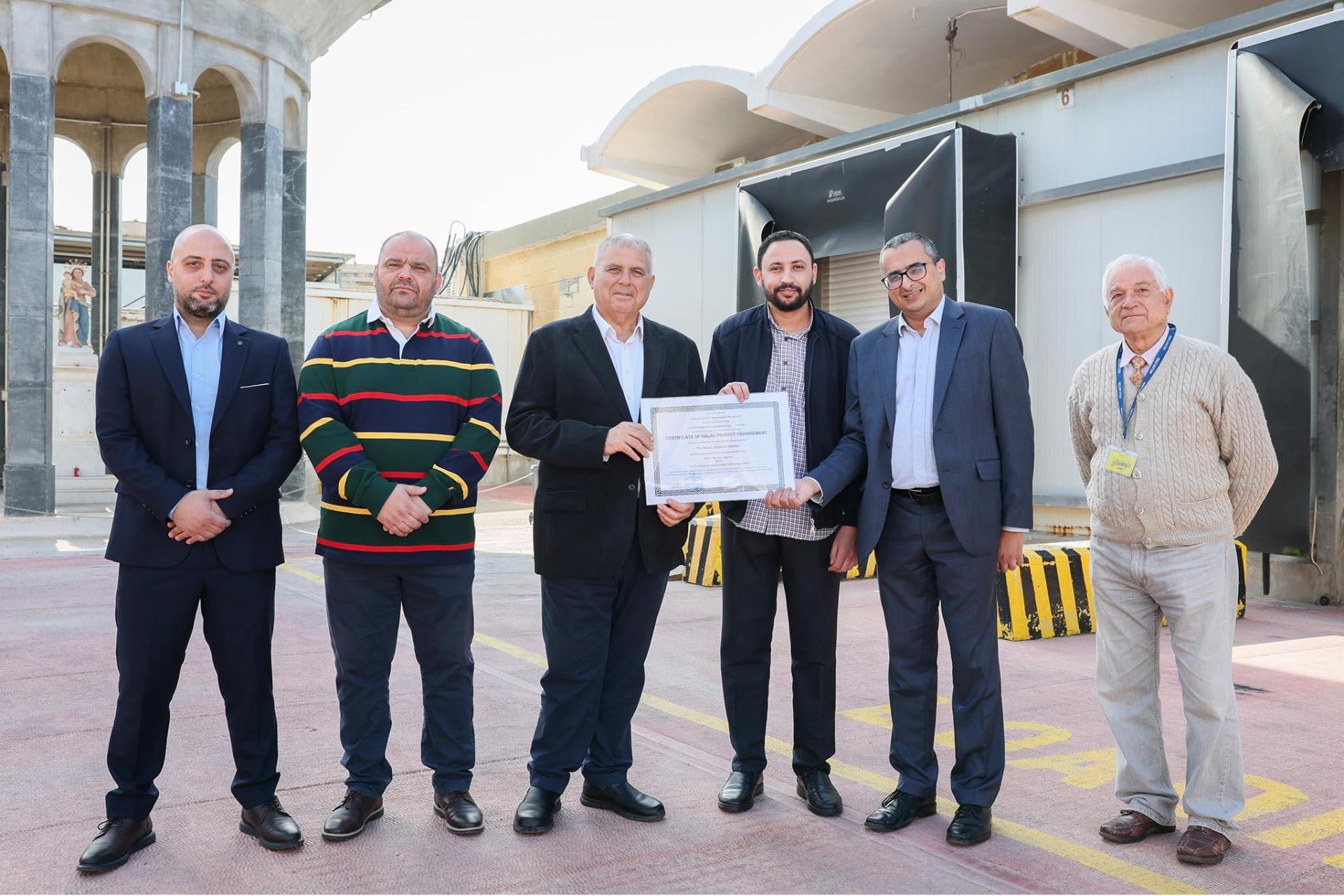
Kawaguchiko, Japan – Malta has reached a significant milestone in its agricultural sector with the recent certification of its public abattoir for halal meat production. The World Islamic Society has granted official halal certification for beef, mutton, and goat meat processed at the country’s slaughterhouse, opening new market opportunities both domestically and internationally.
Agriculture Minister Anton Refalo announced the certification on Tuesday, highlighting it as a pivotal achievement for Malta’s livestock industry. “This certification means that Maltese herdsmen can now reach new markets in Malta and expand their reach to Europe, North Africa, and the Middle East,” Refalo stated during the announcement, which was attended by Malta’s deputy Imam Shaban Gwirb.
What Halal Certification Means
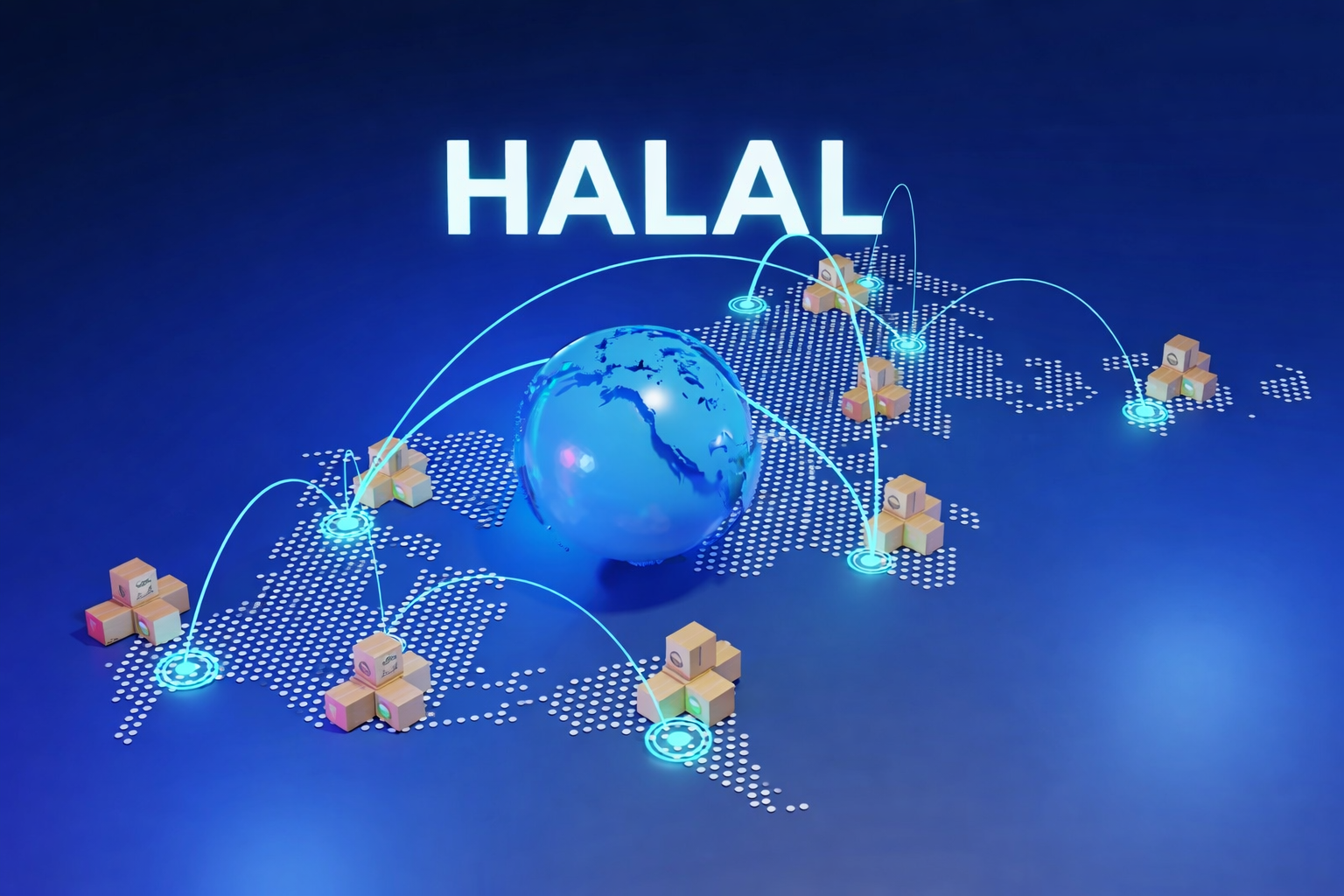
Halal, an Arabic term meaning “permissible,” designates food products that comply with Islamic dietary laws. For meat to receive halal certification, animals must be slaughtered according to specific Islamic guidelines that emphasize humane treatment and facility cleanliness. The process involves making a precise cut to the jugular vein, carotid artery, and windpipe while following strict protocols.
“The halal certification provides peace of mind to Muslim consumers who purchase local lamb, goat, and beef products,” the ministry explained in an official statement. “It ensures that these products are prepared according to Islamic law and are permissible for consumption by Muslims.”
Selective Implementation
The ministry clarified that not all meat from the abattoir will be processed according to halal standards. The specialized slaughtering method will only be implemented when specifically requested by herdsmen. In such cases, the procedure will be carried out by individuals approved by an Imam, with halal slaughtering expected to take place once per week.
From EU Concern to Showcase Facility
Stefan Cachia, Director General of the public abattoir, described the certification as the latest in a series of achievements for the Marsa complex. “This certification builds upon various accomplishments at the Public Abattoir,” Cachia remarked. “We’ve transformed a facility that the European Union once wanted to shut down into a showcase of quality, a driver of new products, and a plant now gaining certified recognition for its achievements.”
Cachia emphasized that the abattoir is committed to ensuring not only that meat produced at the facility meets the highest quality standards but also that it satisfies the needs of all clients, regardless of their religious beliefs.
Aligning with Government Objectives
Minister Refalo framed the development as fulfilling multiple government objectives. “This certification builds on the government’s electoral pledge to continue investing in the abattoir and improve herdsmen’s profitability,” he said. “This initiative also perfectly aligns with the government’s vision of respecting and embracing diversity.”
The certification represents a strategic move to enhance Malta’s agricultural sector while simultaneously accommodating the dietary requirements of its growing Muslim population and opening new export opportunities. As halal food markets continue to expand globally, Malta’s entry into this sector positions the country to participate in an increasingly important segment of the international food trade.
Original Articles:
timesofmalta.com. (n.d.). Malta can now produce halal beef, mutton, and goat meat. Retrieved April 24, 2025, from https://timesofmalta.com/article/beef-mutton-goat-meat-malta-now-halal.1108562