Lebanon’s Wage Hike: Economic Relief or Financial Risk?
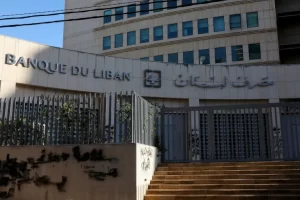
Source: Aljazeera
JAKARTA – Lebanon’s Council of Ministers has recently approved a substantial increase to the minimum wage for private sector employees, raising it to 28 million Lebanese pounds (approximately $312) per month, effective next month. This decision comes as the country grapples with a severe economic crisis that has drastically eroded purchasing power and widened the gap between incomes and living costs.
The wage adjustment represents the government’s attempt to address the mounting pressure on Lebanese workers who have seen their salaries lose significant value due to ongoing inflation and currency devaluation. However, the move has sparked intense debate among economists about whether this represents a step toward economic recovery or a potentially dangerous gamble.
Parallel Reforms and Economic Strategy
Alongside the wage increase, the government has also approved an expedited bill to amend the public-private partnership law. This legislative change aims to revitalize critical sectors including electricity, water, and telecommunications by attracting private investments that have long been hindered by regulatory and structural obstacles.
The timing of these decisions reflects Lebanon’s heavy reliance on tourism revenues and expatriate remittances as the primary pillars of its economy. Government officials had been optimistic about a promising summer tourism season, particularly after several Gulf states lifted travel restrictions to Lebanon.
Economic Experts Raise Concerns
Funding Challenges
Economic analyst Dr. Nabil Srour emphasizes that the core issue surrounding Lebanon’s wage increase lies in the absence of clear funding sources. He warns that approving salary increases without accompanying financial plans to ensure their sustainability represents incomplete policymaking.
Srour highlights that Lebanon’s treasury is experiencing chronic deficits and sharp revenue declines, necessitating the activation of collection systems and improvement of customs and tax revenues as essential prerequisites for any salary increases.
“We haven’t seen scientific or objective studies preceding financial decisions of this magnitude,” Srour notes, pointing to the lack of proper assessment of Lebanon’s economic reality or state finances, with public revenues having dropped to just 35-40% of their previous levels.
Historical Precedents
The economist draws parallels to the previous “salary scale and ranks” system, describing it as an example of “improvised decisions” made without comprehensive financial vision, which ultimately imposed significant burdens on the state.
Alternative Perspectives on the Decision
Addressing Eroded Purchasing Power
Economic expert Walid Abu Sleiman views the wage increase as reflecting the extent of purchasing power erosion resulting from inflation and ongoing financial collapse. While he considers the decision “delayed,” he argues it’s “better late than never,” emphasizing its necessity to reduce the gap between employee incomes and rising living costs.
However, Abu Sleiman warns that the primary challenge lies in this increase being categorized as current expenditure, making it a cumulative burden on the public budget without new revenue sources to support it.
Inflation Risks
“The danger lies in this increase potentially becoming an additional inflationary factor if not matched by actual revenues, which could negatively impact the Lebanese pound and increase pressure on an already exhausted economy,” Abu Sleiman explains.
He stresses that the wage increase hasn’t been accompanied by any clear financial reform plan, nor are there tangible indicators of improved tax collection, combating tax evasion, controlling public spending, or restructuring the public sector.
Tourism Sector Dependencies
Economic expert Anis Abu Diab confirms that tourism, alongside expatriate remittances, has formed the backbone of Lebanon’s economy since 2022. The country had been anticipating a promising tourism season this summer, especially after most Gulf states lifted travel bans.
However, the 12-day conflict between Israel and Iran negatively impacted this season. Initial projections suggested tourism revenues could reach $5-6 billion this year, representing approximately 25% of GDP, but this remains dependent on security stability, ceasefire continuation, and implementation of reforms including UN Resolution 1701.
Looking Forward
The Index Committee is scheduled to reconvene in September and October to reassess the private sector minimum wage and consider further increases if economic conditions improve.
The Broader Context
This wage adjustment occurs within Lebanon’s broader struggle to balance social needs with fiscal responsibility. The country continues to navigate between hopes for economic recovery through tourism and private investment, and fears of repeating past mistakes that contributed to the 2019 financial collapse.
The success of these measures will largely depend on the government’s ability to implement comprehensive reforms, improve revenue collection, and create sustainable funding mechanisms that don’t rely solely on borrowing or monetary expansion.
As Lebanon attempts to chart a path forward, the effectiveness of these wage increases and partnership reforms will serve as crucial indicators of whether the country can achieve genuine economic stability or if it risks sliding deeper into financial crisis.
Original article:
halaltimes.com. (n.d.). رفع الأجور في لبنان إنقاذ أم مجازفة؟. Retrieved July 2, 2025, from https://www.aljazeera.net/ebusiness/2025/6/30/%