South Korea’s Halal Market Revolution: From Niche to Mainstream Success
JAKARTA – South Korea is experiencing a remarkable transformation in its approach to halal products, with what was once considered a specialized market segment now emerging as a significant economic opportunity. The Korean halal industry, branded as “K-halal,” is witnessing unprecedented growth as businesses and consumers alike recognize the value proposition that halal certification brings to the marketplace.
The Economic Engine Behind K-Halal Growth
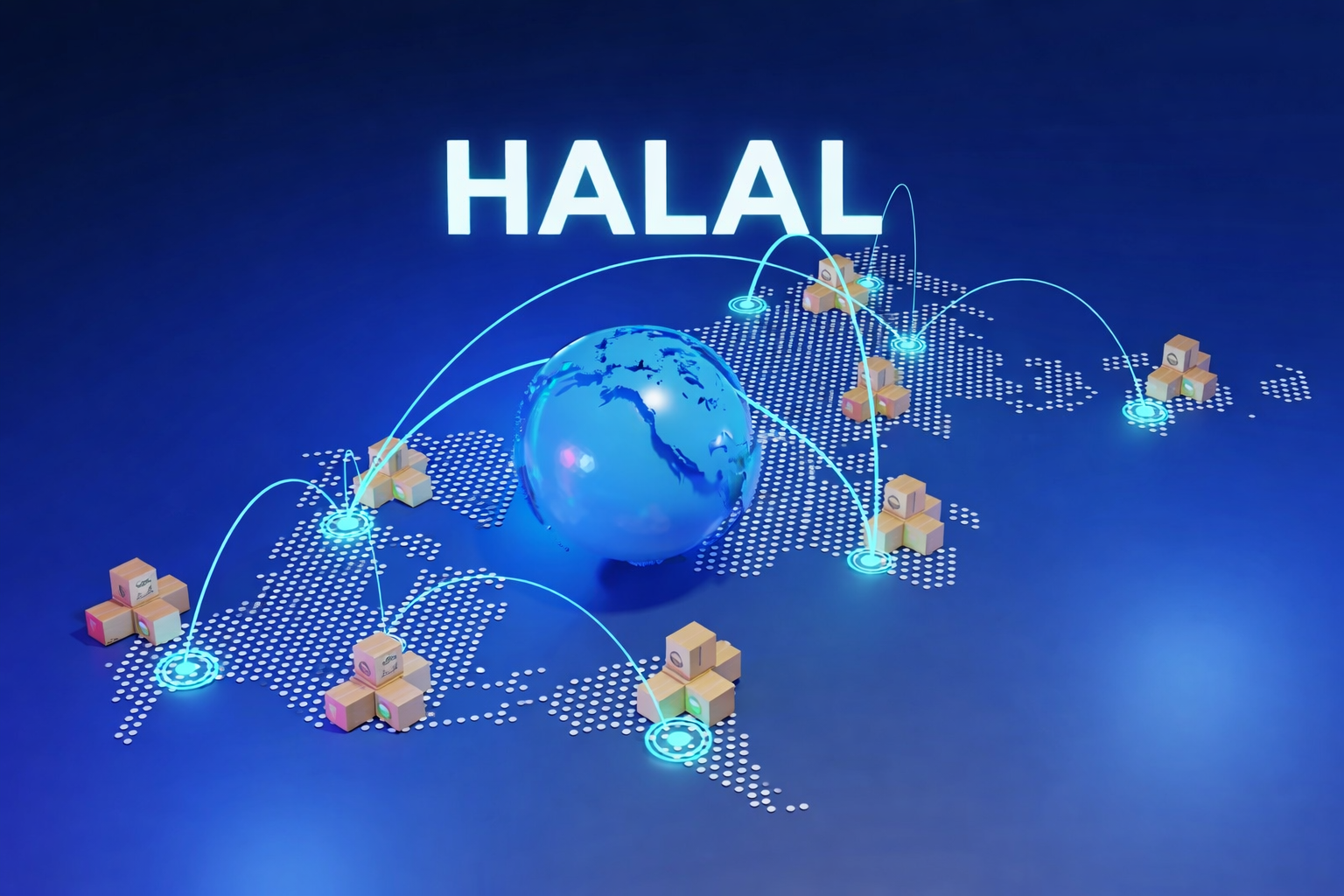
The driving force behind this expansion lies primarily in South Korea’s export strategy. Korean manufacturers are strategically positioning themselves to capture market share in Muslim-majority regions, particularly Southeast Asia and the Middle East, where halal products represent essential consumer requirements rather than optional preferences.
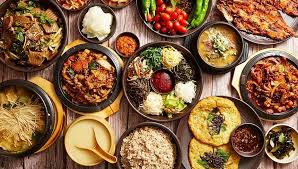
The export figures tell a compelling story. Korean companies specializing in instant noodles, condiments, beverages, and processed snacks are reporting consistent growth in halal-certified product sales. This surge has been facilitated by the proliferation of halal certification agencies within Korea, which have streamlined the process for local businesses to obtain internationally recognized halal credentials.
What makes this trend particularly interesting is the domestic market response. Despite Korea’s relatively small Muslim population, local consumers are increasingly gravitating toward halal-certified products. This preference stems from the perception that halal standards represent superior quality control, enhanced food safety protocols, and rigorous hygiene practices.
Beyond Food: Diversification and Market Expansion
The Korean halal industry’s evolution extends far beyond traditional food products. Companies are now venturing into halal-certified cosmetics, personal care items, and even packaging materials. This diversification reflects a growing understanding that halal certification serves as a broader quality assurance mechanism that appeals to conscious consumers regardless of religious affiliation.
Small and medium enterprises have become particularly active participants in international halal trade exhibitions and industry conferences. These platforms provide Korean businesses with direct access to global buyers while simultaneously elevating Korea’s profile as an emerging halal manufacturing destination. The networking opportunities created through these events have resulted in strategic partnerships that extend Korea’s reach into previously untapped markets.
Navigating Complex Market Dynamics
The journey toward halal market leadership is not without obstacles. One of the primary challenges facing Korean businesses is the educational gap regarding halal principles and requirements. Many domestic stakeholders still lack comprehensive understanding of halal standards, necessitating investment in awareness programs and training initiatives.
The complexity of international halal certification presents another hurdle. Different countries maintain varying halal standards and certification protocols, making it challenging for Korean exporters to navigate multiple regulatory frameworks. The lack of universal mutual recognition agreements between nations further complicates market entry strategies.
Financial considerations also play a significant role, particularly for smaller enterprises. Establishing halal-compliant supply chains often requires substantial upfront investments in specialized equipment, staff training, and process modifications. For companies operating in markets where halal demand remains limited, justifying these expenses can be challenging.
Infrastructure development represents another area requiring attention. While major metropolitan areas like Seoul and Busan offer reasonable access to halal restaurants and certified retail outlets, availability decreases significantly in smaller cities and rural regions. This geographical disparity limits market penetration and consumer accessibility.
Strategic Implications for Korea’s Economic Future
The expansion of Korea’s halal industry carries profound implications across multiple sectors. From a business perspective, halal certification provides Korean companies with entry points into rapidly expanding consumer markets, particularly in regions experiencing demographic and economic growth.
The geopolitical benefits are equally significant. Korea’s commitment to halal industry development strengthens diplomatic relationships with Muslim-majority nations, creating opportunities for broader economic cooperation and cultural exchange. This soft power approach complements Korea’s traditional export strategies while opening new channels for international engagement.
For consumers, both domestically and internationally, the growth of K-halal represents increased access to products that meet stringent quality and safety standards. The perception of halal as a premium quality indicator has created a virtuous cycle where certification drives consumer confidence, which in turn encourages more businesses to pursue halal compliance.
Looking Ahead: Challenges and Opportunities
The future trajectory of Korea’s halal industry will largely depend on how effectively companies and policymakers address current limitations while capitalizing on emerging opportunities. Key success factors include scaling certification processes to accommodate growing demand, developing robust and cost-effective supply chain solutions, and implementing targeted marketing strategies that resonate with diverse consumer segments.
Technology adoption will likely play a crucial role in overcoming current challenges. Digital platforms can facilitate certification processes, blockchain technology can enhance supply chain transparency, and data analytics can help companies better understand consumer preferences across different markets.
The potential for Korea to establish itself as a major player in the global halal economy is substantial. With the right combination of strategic investment, regulatory support, and industry collaboration, K-halal could become a significant contributor to Korea’s export economy while simultaneously serving as a bridge between Korean businesses and the global Muslim consumer market.
Success in this endeavor will require sustained commitment from both private sector stakeholders and government agencies, along with continued investment in education, infrastructure, and international partnerships. However, the early indicators suggest that Korea is well-positioned to capitalize on the growing global demand for halal-certified products and services.
Original Article:
Halal Times. (2025, September 26). Halal Industry Expands in Korea with Rising Consumer and Industry Demand. Retrieved from https://www.halaltimes.com/halal-industry-expands-in-korea-with-rising-consumer-and-industry-demand/