How Muslim Entrepreneurs Are Revolutionizing Tourism, Food, and Finance
JAKARTA – Ten years ago, Muslim-founded startups occupied a narrow niche—primarily addressing faith-specific requirements in travel, dining, and financial services. By 2026, the landscape has transformed dramatically.
These enterprises now operate where ethics, cutting-edge technology, and international trade converge, shaping experiences for Muslims and non-Muslims worldwide in how they explore destinations, consume food, and handle finances. What once represented a specialized “halal sector” has evolved into an ethical economy worth multiple trillions of dollars, powered by transparency, credibility, and digital advancement.
The Numbers Tell a Powerful Story
Projections indicate the worldwide halal economy will surpass $8 trillion by 2030, with tourism, food infrastructure, and Islamic financial technology spearheading growth. Yet the deeper narrative transcends statistics—it reveals how Muslim business leaders are creating platforms harmonizing faith-centered principles with contemporary digital-first, AI-enhanced marketplace demands.
This exploration examines how Muslim-led ventures are transforming three globally significant sectors—tourism, food, and banking—and why their breakthroughs now resonate across mainstream markets.
Why Muslim-Driven Innovation Commands Attention in 2026
Several worldwide developments have accelerated Muslim startup expansion:
Digital trust infrastructure — Buyers increasingly require verification, traceability, and ethical procurement confirmation.
AI-enabled customization — Platforms must accommodate individual cultural, dietary, and financial requirements.
Financial accessibility — Millions in underserved populations seek alternatives to interest-dependent banking frameworks.
Values-driven purchasing — Ethics, environmental responsibility, and transparency shape consumer choices globally.
Muslim innovators hold unique advantages in these domains because Islamic teachings naturally complement ethical finance, responsible consumption, and social benefit.
1. Muslim Travel Technology: Intelligent, Ethical Exploration
Evolution from Basic Tools to Sophisticated Ecosystems
In 2017, halal travel applications addressed fundamental requirements: prayer schedules, halal dining options, and mosque directories. By 2026, Muslim travel technology has matured into sophisticated digital platforms.
Contemporary systems deliver:
- AI-created travel schedules aligned with prayer times and cultural interests
- Instant halal certification confirmation for accommodations and eateries
- Muslim-accommodating hotel evaluation frameworks
- Multilingual journey planning for international travelers
- Ethical tourism assessments incorporating sustainability and community welfare
Groundbreaking Platforms Leading Change
CrescentRating & HalalTrip
These trailblazers converted Muslim-friendly travel from fixed directories into responsive, information-driven systems. Current features include:
- Location assessments for halal food availability, prayer amenities, and family-oriented services
- Traveler-contributed feedback sorted by faith-related criteria
- Journey planning resources for Ramadan, Umrah, and Hajj-related excursions
Tripfez Travel
Tripfez pioneered global Muslim-friendly accommodation ranking algorithms, evaluating properties on:
- Halal food options
- Prayer facilities and Qibla direction markers
- Alcohol-absent settings
- Privacy-conscious amenities
Umrahme
Umrahme digitized pilgrimage organization, providing:
- Comprehensive booking infrastructure
- Live availability for lodging and transportation
- Digital assistance resources for pilgrims internationally
Global Tourism Implications
Muslim travelers currently constitute one of the world’s fastest-expanding tourism demographics, with expenditures projected beyond $350 billion yearly by 2030.
These platforms extend beyond serving Muslims exclusively. Their advances in ethical travel, cultural sensitivity, and digital credibility are influencing how worldwide tourism corporations structure their offerings.
2. Halal Food Innovation: From Labels to Verified Trust Systems
The Transition to Provable Halal Standards
In 2026, halal food encompasses more than labeling—it demands verifiable authenticity.
Today’s consumers anticipate:
- Supply network transparency
- Certification tracking
- Ethical procurement practices
- Environmental sustainability metrics
- Ingredient-specific validation
Muslim-founded startups address these expectations through blockchain, AI, and digital certification systems monitoring food from origin to consumer.
Digital Halal Authentication Advancement
Modern halal food platforms provide:
- QR-accessible halal credentials
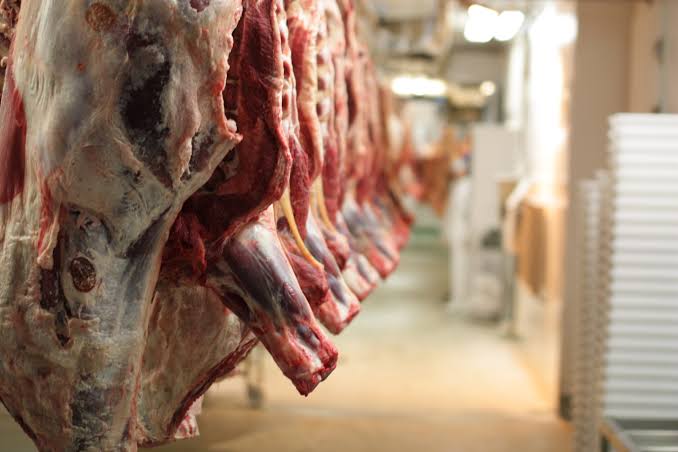
- Blockchain-authenticated slaughter and processing documentation
- Restaurant compliance evaluation
- International halal product exchanges
- Ethical brand exploration resources
These frameworks benefit multiple stakeholders:
- Ethical purchasers
- Health-focused consumers
- Environmental advocates
- Food safety authorities
Worldwide Market Influence
The halal food sector now ranks among the largest global food industry segments, affecting:
- Export policies
- Food designation requirements
- Restaurant certification protocols
- International trade frameworks
Muslim-led ventures are determining how credibility develops in digital food systems—a movement major multinational food corporations now embrace.
3. Islamic Financial Technology: Ethical Finance’s Digital Future
Expanding Beyond Interest-Free Banking
Islamic finance in 2026 extends far beyond conventional banking institutions. Current offerings include:
- AI-enhanced investment analysis platforms
- Digital payment systems for halal transactions
- Shariah-aligned stock and cryptocurrency evaluation resources
- Ethical crowdfunding networks
- Microfinance applications for developing economies
Islamic Fintech’s Distinctive Framework
Fundamentally, Islamic fintech operates on:
- Risk distribution rather than interest charges
- Asset-supported investments
- Exclusion of unethical sectors
- Social accountability and inclusivity
This structure naturally corresponds with worldwide momentum toward ESG (Environmental, Social, Governance) investing and ethical finance.
Innovation Leadership Patterns
Shariah-Intelligent Investment Systems
Applications automatically evaluate stocks, ETFs, crypto assets, and funds for Islamic finance principle compliance instantaneously.
Digital Islamic Banking Institutions
These platforms deliver:
- Interest-free savings options
- Ethical financing instruments
- Business accounts for Muslim business owners
- International money transfer services
Ethical Investment Communities
Startups now facilitate direct community investment in:
- Small enterprises
- Social initiatives
- Housing developments
- Educational programs
Worldwide Financial Impact
Islamic fintech increasingly attracts non-Muslim ethical investors seeking transparent, risk-conscious, and socially responsible financial frameworks.
4. Where Technology and Faith-Based Innovation Converge
The Technology Foundation Supporting Muslim Ventures
Muslim-led platforms currently utilize:
- AI for customization, fraud prevention, and compliance evaluation
- Blockchain for halal authentication, supply networks, and financial transparency
- Big Data for tourism intelligence and consumer pattern analysis
- Open Banking APIs for fintech connections
These technologies enable ventures to expand internationally while preserving trust, compliance, and ethical standards.
Cross-Industry Platform Emergence
In 2026, numerous startups function across multiple sectors:
- Travel applications integrating halal food and Islamic payment capabilities
- Fintech platforms supporting ethical commerce marketplaces
- Food platforms connected to community investment channels
This integration creates comprehensive digital ecosystems beyond isolated services.
5. Mainstream Influence: Beyond Muslim Markets
One frequently underestimated dimension of this movement involves its mainstream effects.
Muslim-led ventures are defining:
- Ethical finance benchmarks
- Food tracking systems
- Sustainable tourism frameworks
- Digital credibility structures
What originated as faith-based innovation now helps establish how the global digital economy constructs credibility and responsibility.
6. The Muslim Startup Landscape in 2026
Primary Growth Catalysts
- Government halal economy programs
- Global Islamic investment capital
- International startup acceleration programs
- Cross-border digital commerce
- Faith-aligned venture financing
Regional Innovation Centers
- Southeast Asia (Malaysia, Indonesia)
- Middle East (UAE, Saudi Arabia, Qatar)
- United Kingdom and Europe
- North America
- Emerging African fintech centers
These territories currently host some of the world’s fastest-developing ethical technology startups.
Frequently Asked Questions
What constitutes halal tourism technology?
Halal tourism technology encompasses digital platforms and applications helping travelers locate Muslim-friendly accommodations, halal restaurants, prayer amenities, and culturally suitable travel services using AI, user information, and real-time confirmation systems.
How does Islamic fintech function?
Islamic fintech delivers financial services adhering to Islamic law by eliminating interest, unethical sectors, and excessive risk. It employs digital platforms offering ethical investment, interest-free banking, crowdfunding, and halal asset analysis tools.
Why is blockchain employed in halal food systems?
Blockchain guarantees transparency by generating tamper-resistant records of food sourcing, processing, and certification, enabling consumers to confirm halal compliance from origin to consumption.
Future Trajectory
By 2030, Muslim-led startups are anticipated to fulfill defining roles in:
- Global ethical finance standards
- International food traceability frameworks
- Sustainable tourism models
- Digital identity and trust platforms
What commenced as community-oriented innovation is becoming a framework for the global values-driven economy.
The Broader Transformation
The evolution of Muslim startups since 2017 reflects a substantially larger shift in the world economy. These enterprises no longer merely construct “halal alternatives”—they’re redefining how technology, ethics, and global commerce interconnect.
From AI-driven halal travel platforms to blockchain-authenticated food systems and Shariah-intelligent financial tools, Muslim-led innovation now influences industries on a global scale.
Original Article:
Halal Times. (2026, January 18). Muslim Startups Transforming Tourism, Food, Banking Sectors. Retrieved from https://www.halaltimes.com/muslim-startups-transforming-tourism-food-banking-sectors/