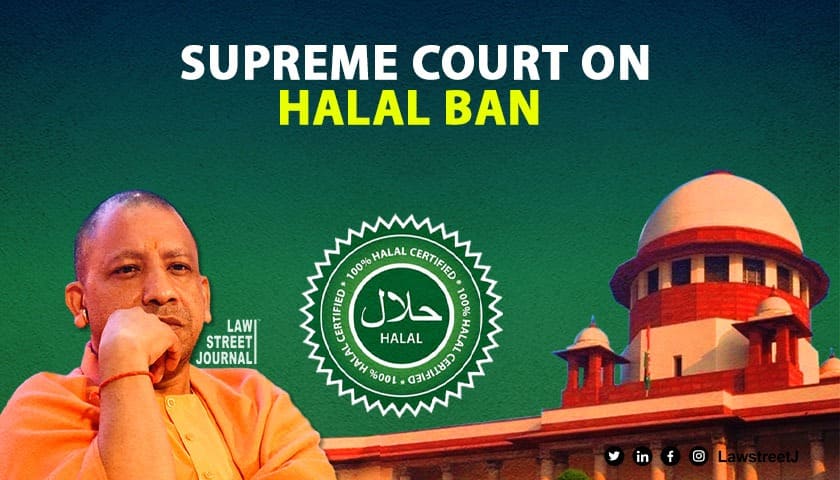
Supreme Court Protects Halal India Amid Controversial UP Ban
The Controversy Unfolds
In November 2023, the Uttar Pradesh government stirred up a debate by banning halal-certified food products, allowing only those meant for export. This decision prompted Halal India Private Limited and others to challenge the ban in the Supreme Court, arguing that it was unconstitutional and harmful to their business rights.
Supreme Court’s Response
The Supreme Court quickly stepped in, granting immediate protection to Halal India Private Limited. The court recognized that the ban could significantly impact their trade and consumer market, necessitating urgent action. The legal team for Halal India explained that halal certification is akin to lifestyle choices, emphasizing that consumers are not forced to buy halal products.
Arguments for Halal Certification
Supporters of halal certification argue that it provides Muslim consumers with assurance that their food meets Islamic dietary laws. This certification fosters trust and allows Muslims to choose products that align with their beliefs. The halal market is rapidly growing, representing a trillion-dollar global economy, and certification opens doors to lucrative international markets, especially in Muslim-majority countries.
Additionally, halal certification ensures rigorous quality and safety checks, benefiting all consumers by promoting higher health standards. It also helps multicultural communities feel included by offering food options that cater to diverse dietary needs. In the tourism and hospitality sectors, halal certification is crucial for attracting Muslim travelers, enhancing their experiences while traveling.
Arguments Against Halal Certification
Critics of halal certification argue that it imposes financial burdens on both manufacturers and consumers. They claim that non-halal consumers often face higher prices due to the costs associated with halal certification, creating economic disadvantages. Ethical concerns also arise regarding halal slaughter practices, which some animal rights activists argue cause unnecessary suffering.
Moreover, opponents contend that halal certification can lead to market segmentation, alienating non-Muslim consumers and fostering division rather than unity. They also point out inconsistencies in certification standards, which can lead to fraudulent practices and undermine consumer trust.
Critics further argue that halal certification restricts freedom of choice and may infringe on secular values. They believe that the government and businesses should not favor one religious practice over others, as this could violate the rights of non-practicing individuals.
The Legal Battle Continues
The Supreme Court is now faced with a complex legal battle between proponents and opponents of halal certification. The outcome will have significant implications for the food production and hospitality industries, as well as for export markets. The court’s ruling will need to establish a consistent set of rules for both domestic and international markets.
This case has garnered considerable attention, as it could set a precedent for similar cases in other states. The final decision from the Supreme Court is expected to bring about substantial changes in India’s food industry and consumer protection landscape.
Original Article:
Ummid.com. (2025, April 18). SC grants protection to Halal India amidst UP ban. https://ummid.com/news/2025/april/18-04-2025/sc-grants-protection-to-halal-india-amidst-up-ban.html