Swiss Companies Embrace the Growing Halal Economy

Source: Halal Times
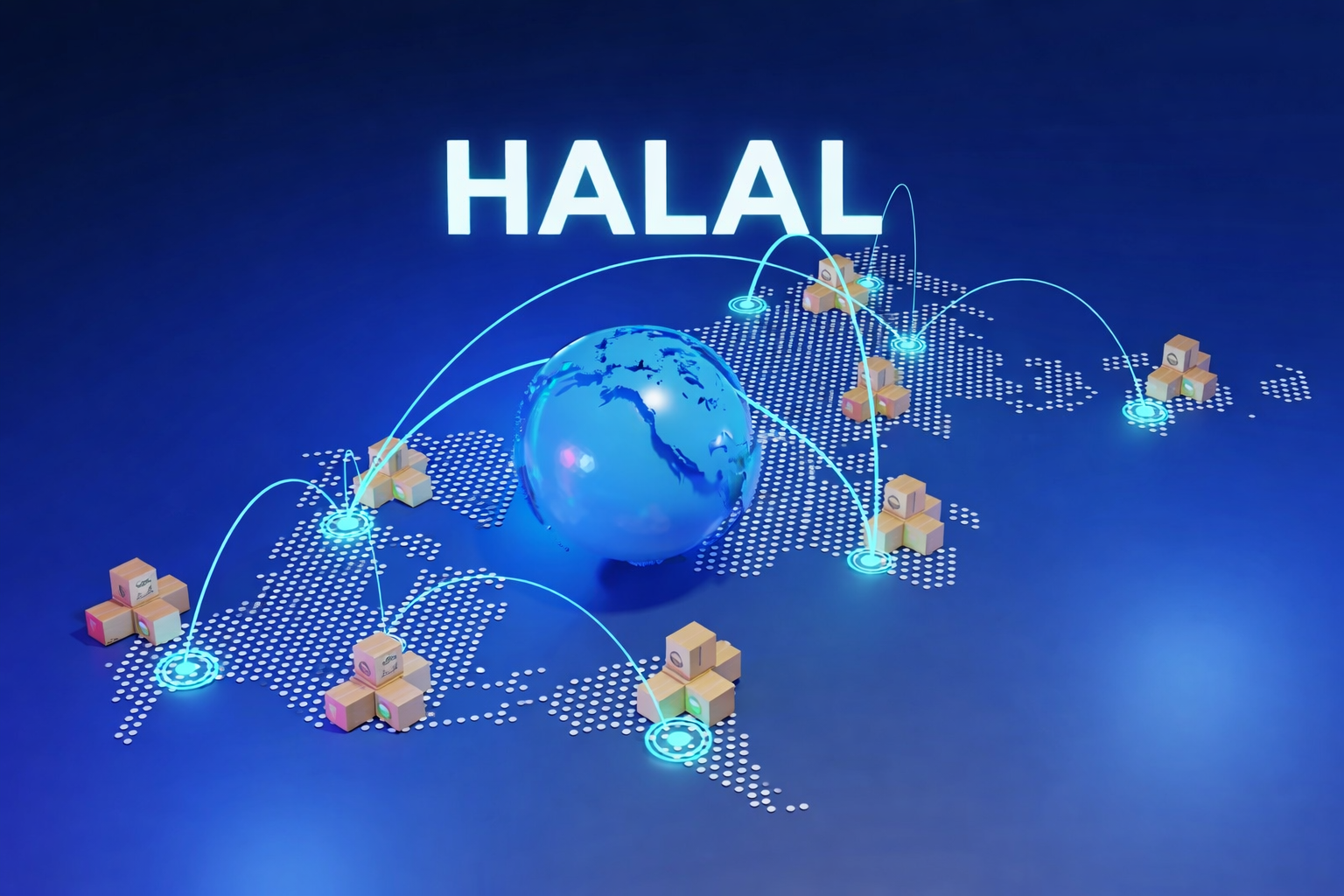
Kawaguchiko, Japan – In a pristine facility outside Bern, workers in protective gear carefully monitor the production of Emmental cheese destined for markets in Saudi Arabia and Indonesia. Each wheel bears a distinctive halal certification mark—a symbol of the remarkable transformation taking place across Switzerland’s business landscape. From renowned chocolatiers to pharmaceutical giants, Swiss enterprises are increasingly turning their attention to the expanding global halal market, currently valued at $2.1 trillion and projected to reach $4.6 trillion by 2030.
A Market Beyond Religious Boundaries
The term “halal,” meaning “permissible” under Islamic law, encompasses far more than dietary restrictions. It represents a comprehensive approach to ethical consumption that appeals to Muslims and non-Muslims alike. With the global Muslim population expected to grow to 2.8 billion by 2050, Swiss companies are recognizing this demographic shift as a significant business opportunity.
What makes this market particularly attractive is its crossover appeal. Research indicates that approximately 20% of halal food purchases come from non-Muslim consumers who associate these products with transparency, quality, and ethical practices. This broadening consumer base has prompted Swiss firms to recalibrate their strategies and production methods.
Swiss Pioneers in Halal Production
Nestlé has emerged as an early leader in this space, producing halal-compliant foods since the 1980s. At its Wangen bei Olten facility, popular products like Maggi seasonings and KitKat bars are manufactured without pork derivatives or alcohol-based ingredients. With 150 of its 400 global factories now halal-certified, Nestlé exports to 50 countries where Islamic dietary laws shape consumer choices.
“Halal certification represents a covenant of trust,” explains Mohammad Tufail, founder of Halal Certification Services in Bern. “A single oversight in verification can undermine years of consumer confidence.” This reality has led companies like Nestlé to implement rigorous auditing processes that often involve consultation with Islamic scholars.
Other Swiss companies have followed suit. Emmi, Switzerland’s leading dairy producer, has meticulously reformulated its yogurt production processes to ensure halal compliance, enabling its products to reach Gulf supermarkets. Meanwhile, Givaudan, the fragrance and flavor company based in Vernier, has developed halal-compliant alternatives for beverages and cosmetics, combining scientific innovation with religious requirements.
Navigating Complex Challenges
Despite the enormous potential, Swiss companies face significant hurdles in the halal marketplace. Perhaps the most daunting is the fragmented certification landscape. Regulatory bodies such as Malaysia’s JAKIM, Saudi Arabia’s SFDA, and Indonesia’s MUI each maintain distinct standards regarding ingredients sourcing and production methods.
“Companies are essentially navigating a regulatory maze,” says Dr. Jawad Alzeer, a halal market expert at the University of Zurich. “What’s acceptable in one market may be rejected in another, forcing Swiss firms to develop market-specific approaches.” This complexity has led companies like Nestlé to maintain separate production protocols for different regions—a costly but necessary strategy.
Cultural sensitivity represents another critical challenge. When Lindt faced scrutiny over a questionable flavoring agent in its halal-labeled chocolate, the company quickly reformulated its product. However, the incident highlighted the importance of cultural understanding beyond mere technical compliance. In response, Swiss companies are increasingly engaging with Muslim communities through focus groups and partnerships with regional influencers.
Supply Chain Innovations
Maintaining halal integrity throughout global supply chains presents logistical challenges that Swiss companies are addressing through technology and infrastructure investments. Firmenich has allocated $10 million to establish dedicated halal production facilities serving Indonesia’s 209 million Muslims. Similarly, Stella, a Swiss cosmetics brand, has reformulated its lipsticks to exclude alcohol, unlocking access to Malaysia’s $54 billion halal beauty market.
In the pharmaceutical sector, companies face unique challenges replacing common ingredients like porcine gelatin used in capsules. Merck has developed halal-certified vaccines using bovine alternatives specifically for Middle Eastern markets, contributing to a growing $130 billion halal pharmaceutical sector.
Blockchain technology is emerging as a promising solution for supply chain transparency. Givaudan’s blockchain pilot program tracks flavor ingredients throughout the production process, ensuring halal integrity from source to consumer. Meanwhile, advanced proteomic analysis techniques pioneered in Malaysia help verify slaughter methods, enhancing credibility among discerning consumers.
Balancing Tradition and Innovation
Swiss companies must sometimes navigate conflicts between local regulations and halal requirements. For instance, Switzerland’s mandatory animal stunning laws clash with certain interpretations of halal slaughter practices, forcing some meat processing operations abroad. This balancing act between domestic values and international market requirements creates ongoing tension that companies must carefully manage.
To address these complexities, Swiss firms are recruiting Muslim experts across various roles—from quality auditors to marketing specialists—who understand both technical requirements and cultural nuances. At Nestlé’s Lausanne headquarters, a dedicated halal team coordinates with certifiers and suppliers while driving innovations like specialized baby formula for Gulf markets.
Even smaller enterprises like Chocolat Frey are making significant investments to enter this space. Though retrofitting its factory for halal production cost $2 million—a substantial commitment for a medium-sized company—the potential for long-term growth justified the expense, resulting in valuable contracts with Qatari distributors.
Looking Toward a Halal Future
As the Muslim population continues to expand, reaching a projected 2.2 billion by 2030, the halal economy will increasingly shape global trade patterns. Swiss companies, with their reputation for precision and quality, appear well-positioned to thrive in this environment, provided they maintain vigilance regarding certification requirements, cultural sensitivities, and ethical considerations.
From Bern’s cheese production facilities to Geneva’s fragrance laboratories, Switzerland is developing a distinctive approach to the halal market—one that harmonizes profit motives with ethical principles, and traditional Swiss excellence with innovative production methods. In doing so, these companies are not merely accessing new markets but participating in a fundamental shift in global consumption patterns that promises to reshape international business for decades to come.
Original Articles:
halaltimes.com. (n.d.). Swiss Firms Tap Into The Global Halal Market. Retrieved April 20, 2025, from https://www.halaltimes.com/swiss-firms-tap-global-halal-market/