Malaysia Stands Firm: Trade Minister Rejects Compromises on Halal Standards and Rare Earth Exports
Source: Malay Mail
JAKARTA – Malaysia’s Investment, Trade and Industry Minister Datuk Seri Tengku Zafrul Abdul Aziz has firmly dismissed speculation that the country would weaken its halal certification requirements or grant exclusive rare earth mining privileges to the United States as part of bilateral trade negotiations.
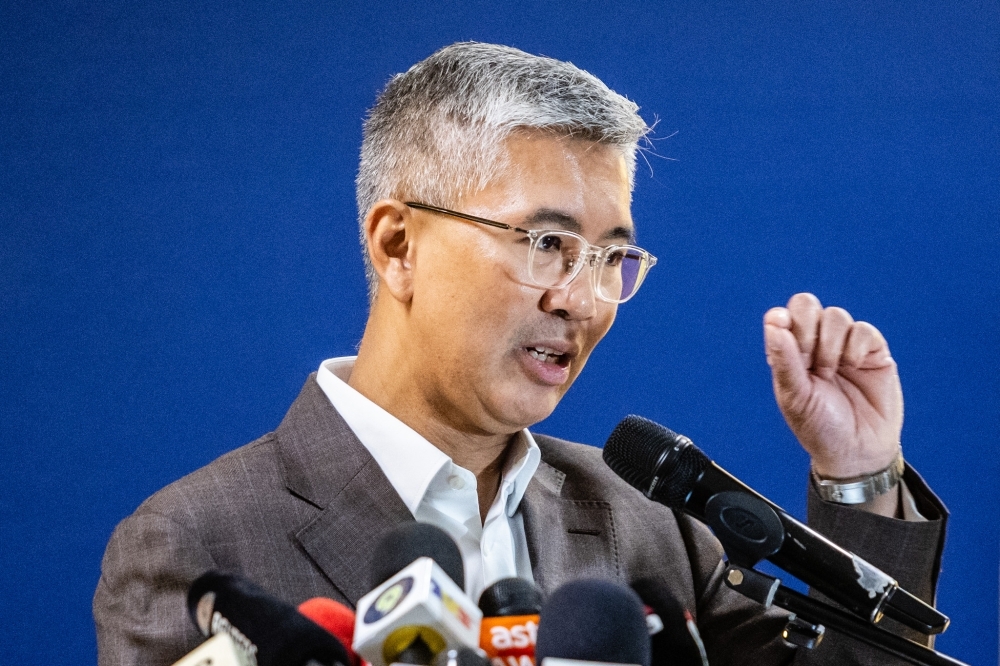
Speaking at a press conference held at Menara MITI in Kuala Lumpur on August 1, 2025, the minister addressed mounting concerns about potential concessions in ongoing trade discussions with Washington, particularly regarding two sensitive areas: Islamic dietary certification standards and strategic mineral resources.
Defending Halal Certification Integrity
Tengku Zafrul categorically denied allegations suggesting Malaysia would dilute its halal standards to facilitate trade with the United States. The minister clarified that while administrative procedures for importing halal-certified products might be simplified, the fundamental religious, legal, and quality requirements for certification would remain untouched.
“There is absolutely no compromise on halal standards,” he emphasized during the briefing. “What we have agreed to is the facilitation of the import process for halal-certified products into Malaysia, not a lowering of our halal standards.”
This clarification comes amid concerns that Malaysia’s halal import restrictions, along with requirements for indigenous equity participation in foreign-owned enterprises, have been identified by American negotiators as significant trade barriers. These issues contributed to the United States imposing a 24 percent reciprocal tariff on Malaysian exports.
The minister’s statement seeks to reassure domestic stakeholders, particularly the Muslim community and halal industry players, that religious principles will not be sacrificed for commercial gains. Malaysia’s halal certification system is recognized globally for its stringent standards and has become a cornerstone of the country’s food industry and export strategy.
Strategic Shift on Rare Earth Resources
In a significant policy announcement, Tengku Zafrul revealed that Malaysia would prohibit the export of unprocessed rare earth minerals, marking a strategic shift toward developing domestic downstream industries. This decision represents a departure from traditional resource extraction models that have historically seen raw materials exported for processing elsewhere.
“We are taking a firm stance on this, and the Americans never requested exclusivity,” the minister stated. “All rare earth elements must be processed in Malaysia. The value should stay here, not be extracted and shipped out.”
This policy aligns with Malaysia’s broader industrial development strategy, which emphasizes value addition and technology transfer rather than simple resource extraction. The decision also reflects growing global awareness of the strategic importance of rare earth elements in modern technology, from smartphones to electric vehicles and renewable energy systems.
Economic and Environmental Considerations
The minister explained that the rare earth policy serves multiple objectives beyond immediate economic benefits. Environmental sustainability and responsible extraction practices feature prominently in the government’s rationale, addressing longstanding concerns about the ecological impact of mining operations.
“This is part of our broader strategy to strengthen critical sectors and ensure long-term national interest is protected,” Tengku Zafrul noted. “The decision also ties in with environmental and sustainability considerations. We must manage extraction responsibly.”
The policy requires foreign investors interested in Malaysia’s rare earth resources to establish local processing facilities, create employment opportunities, and facilitate technology transfer. This approach aims to build domestic supply chains and enhance technological capabilities while maximizing the economic value retained within Malaysia.
Navigating Trade Tensions
The minister’s statements come against the backdrop of escalating trade tensions with the United States. President Donald Trump’s administration has announced tariffs on Malaysian exports effective August 8, 2025, initially set at 19 percent. Officials estimate that fewer than 7,000 industries will be directly affected by these measures.
Despite these challenges, Malaysia maintains its position that trade relationships must be mutually beneficial and respect national sovereignty. The government’s refusal to compromise on halal standards or grant exclusive resource access demonstrates its commitment to protecting domestic interests while remaining open to international cooperation.
Balancing Foreign Investment and National Interests
Tengku Zafrul emphasized that Malaysia continues to welcome foreign investment, but within a framework that serves national development objectives. The country’s approach requires international partners to contribute meaningfully to local economic development through job creation, skills transfer, and technological advancement.
This balanced approach reflects Malaysia’s evolution from a resource-dependent economy toward a more sophisticated industrial base. By insisting on local processing of rare earth minerals and maintaining halal certification standards, the government signals its commitment to value-added economic activities and cultural preservation.
Industrial Policy Alignment
The minister’s announcements align with Malaysia’s broader industrial policy framework, which prioritizes the development of domestic capabilities in strategic sectors. This approach seeks to reduce dependence on raw material exports while building competitive advantages in higher-value manufacturing and processing activities.
The rare earth processing requirement, in particular, positions Malaysia to capture more value from its natural resources while developing expertise in critical mineral processing. This strategy could enhance the country’s position in global supply chains for essential technologies, particularly as demand for rare earth elements continues growing.
Regional and Global Implications
Malaysia’s firm stance on these issues may influence regional approaches to trade negotiations and resource management. As Southeast Asian nations increasingly assert their economic sovereignty, Malaysia’s policies could serve as a model for balancing international cooperation with national interest protection.
The halal standards decision reinforces Malaysia’s leadership position in the global halal economy, while the rare earth policy demonstrates how resource-rich nations can leverage their advantages to promote industrial development rather than simply exporting raw materials.
Looking Forward
As trade discussions with the United States continue, Malaysia’s clear articulation of its non-negotiable positions provides a foundation for future negotiations. The government’s commitment to maintaining halal certification integrity while developing domestic rare earth processing capabilities reflects a strategic approach to economic development that prioritizes long-term sustainability over short-term gains.
These policy positions underscore Malaysia’s determination to participate in global trade on terms that respect its cultural values and national development objectives, setting important precedents for how middle-income nations can navigate complex international economic relationships while protecting their core interests.
Original article:
malaymail.com. (n.d.). Tengku Zafrul: No compromise on halal standards, no exclusive rare earth deals with US. Retrieved August 3, 2025, from https://www.malaymail.com/news/malaysia/2025/08/01/tengku-zafrul-no-compromise-on-halal-standards-no-exclusive-rare-earth-deals-with-us/186132