Mirin: A Closer Look at Its Permissibility for Muslims
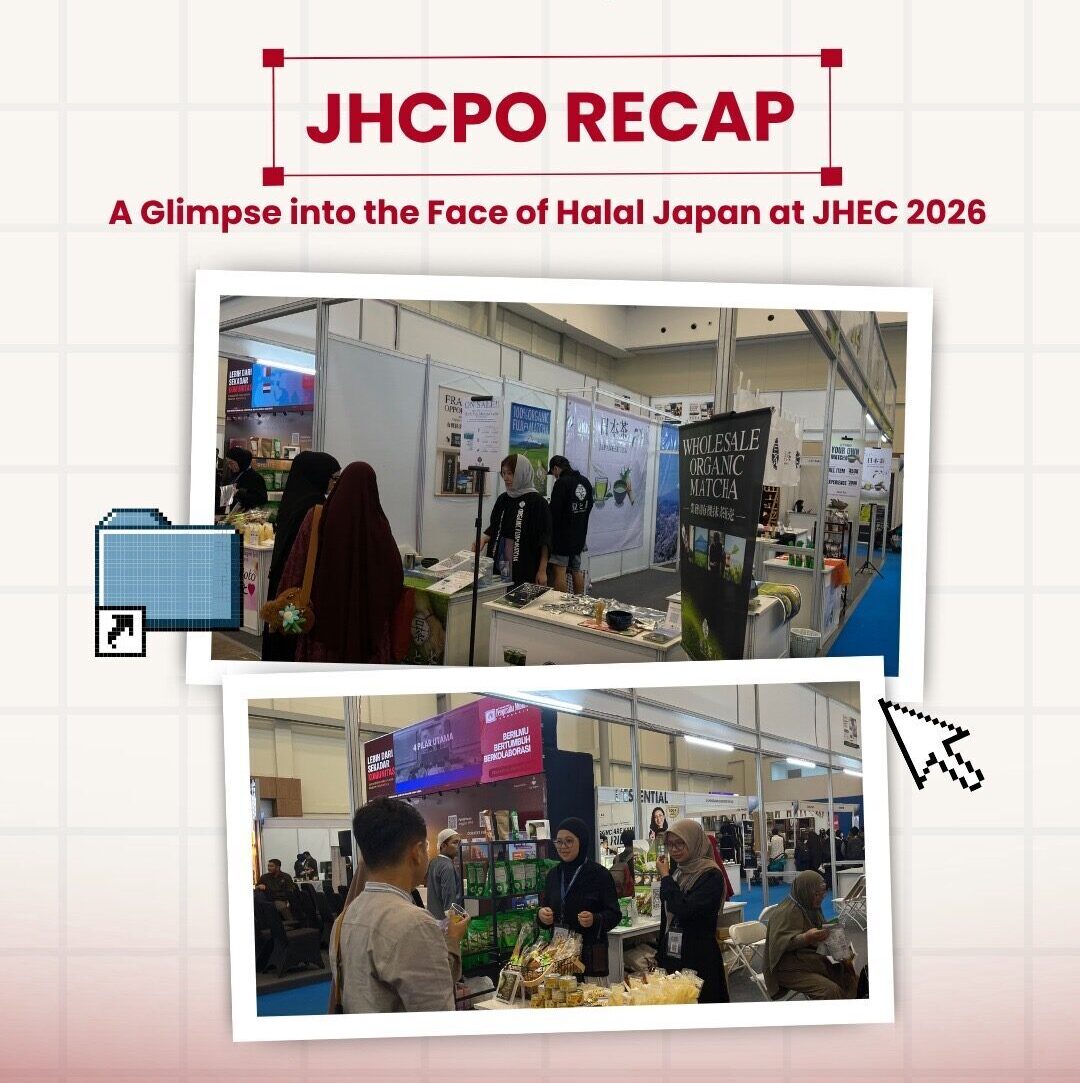
Kawaguchiko, SouqTimes – Mirin, a traditional Japanese seasoning, has long been a staple in Japanese cuisine, adding a subtle sweetness and umami depth to dishes such as teriyaki, sukiyaki, and ramen. However, its alcohol content has placed it at the center of a debate regarding its permissibility in Islam. As Japan expands its halal food industry to accommodate its growing Muslim population and increasing numbers of Muslim tourists, the question remains: Can mirin be considered halal?
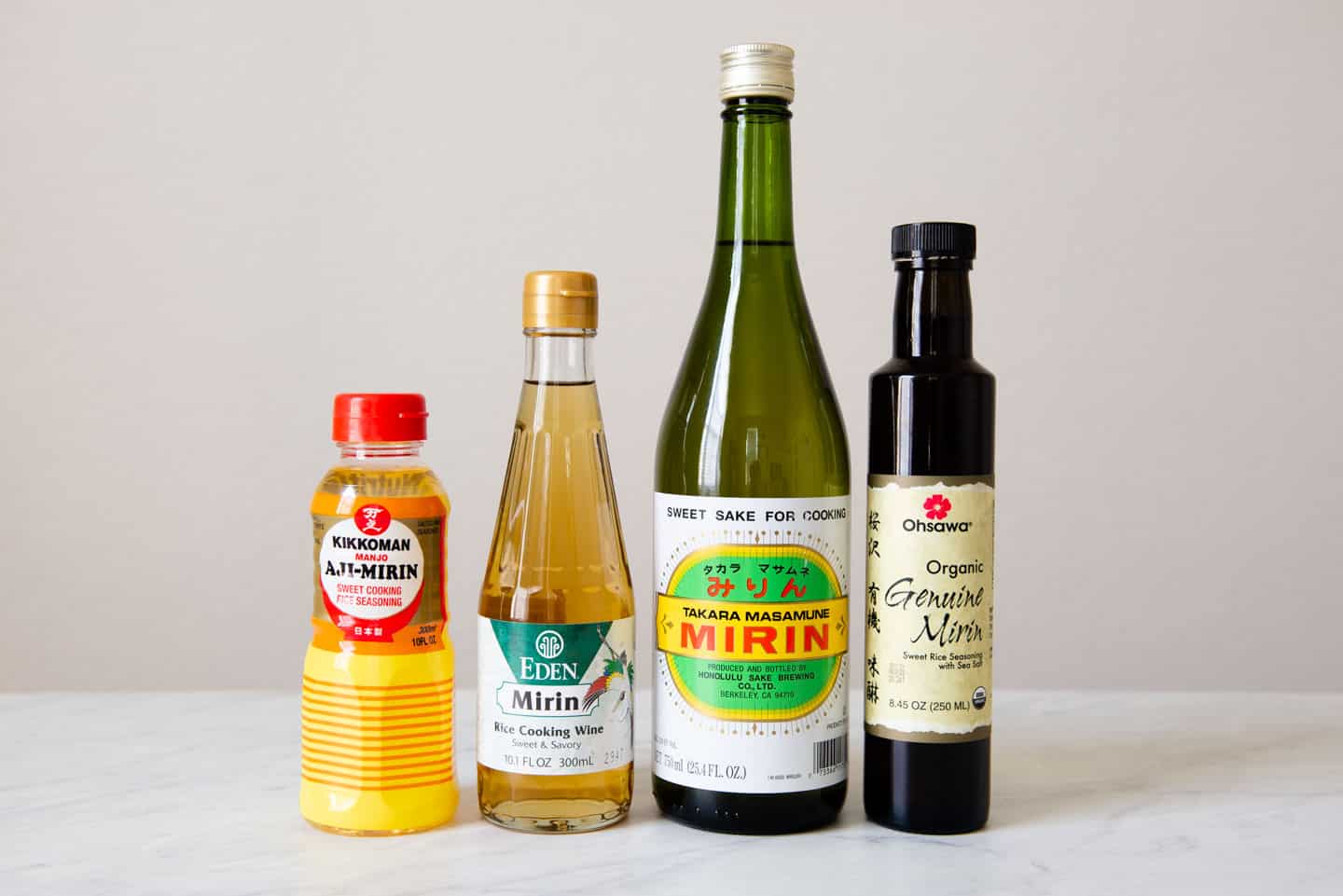
Photos by Lisa Lin.
What is Mirin?
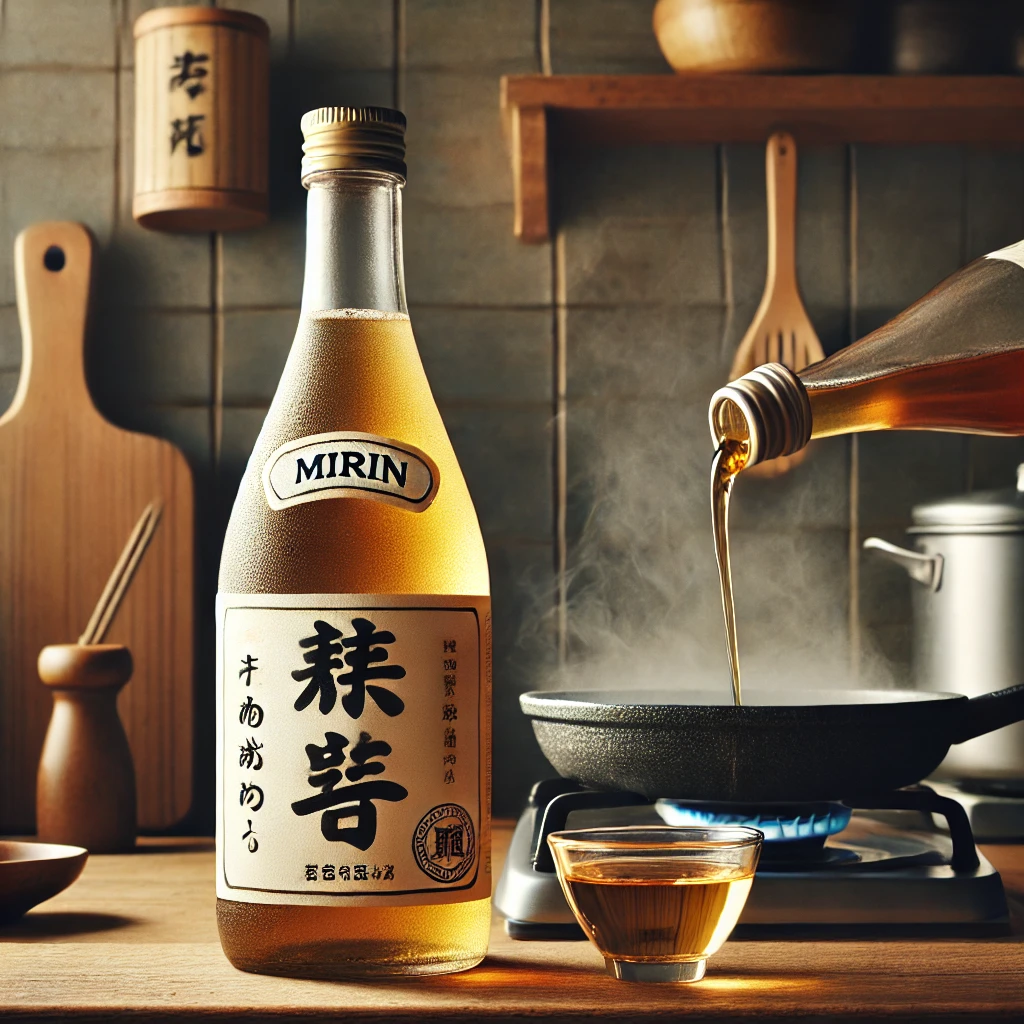
Mirin (みりん) is a traditional Japanese rice wine used in cooking, typically produced by fermenting a blend of steamed sweet or glutinous rice (もち米, mochigome), kome kōji (こうじ), malted rice used as a fermentation starter), and a form of alcohol, usually sake (酒, rice wine) or shōchū (焼酎, distilled rice wine). It typically contains between 10% and 14% alcohol, making it a subject of concern under Islamic dietary laws, which prohibit the consumption of intoxicating substances. Despite being used primarily as a cooking ingredient rather than a beverage, its halal status remains a contested issue.
Islamic Perspectives on Mirin
Islamic scholars have differing opinions on mirin’s permissibility. Some take a strict stance, categorizing it as khamr (intoxicant), which is explicitly forbidden in Islam regardless of its use. Others argue that if mirin is used solely for cooking and the alcohol evaporates during the heating process, the end product may be considered permissible.
The Position of the Indonesian Ulema Council (MUI)

Photos by AntaraNews.
The Majelis Ulama Indonesia (MUI), Indonesia’s highest Islamic authority on halal certification, holds a firm position that any product containing intoxicating alcohol, regardless of its intended use, is haram. According to MUI’s fatwa, the presence of alcohol, even in cooking ingredients like mirin, renders the food non-halal unless the alcohol is completely removed.
MUI applies strict criteria in its halal certification process, ensuring that all products certified halal do not contain alcohol derived from fermentation. This has implications for Indonesian consumers both domestically and abroad, as products containing mirin are automatically disqualified from receiving MUI’s halal certification unless they use alcohol-free alternatives.
Challenges in the Japanese Halal Food Industry
Japan has witnessed significant growth in its halal food sector, largely driven by an increasing number of Muslim residents, students, and tourists. However, ensuring the authenticity of halal-certified food remains a challenge. Many Japanese dishes traditionally use mirin, soy sauce brewed with alcohol, and other ingredients that may not meet strict halal requirements.
According to a study published in Kiryoku: Jurnal Studi Kejepangan, many restaurants in Japan have responded by modifying their recipes. Some have replaced traditional mirin with halal-certified alternatives, while others have sought guidance from halal certification bodies such as the Japan Halal Certification Promotion Organization (JHCPO).
Despite these efforts, there is still confusion among consumers. Some restaurants label themselves as “Muslim-friendly” but continue to use non-halal mirin, leading to uncertainty among Muslim diners. The distinction between “Muslim-friendly” and “fully halal-certified” restaurants remains a critical issue in Japan’s halal food industry.
Halal Alternatives to Mirin
For Muslims who wish to enjoy Japanese cuisine while adhering to Islamic dietary laws, several non-alcoholic substitutes for mirin are available, including:
- Halal-certified mirin-style seasonings – Specially formulated to replicate the taste and function of traditional mirin without any alcohol.
- Rice vinegar and sugar mixtures – Providing a balance of acidity and sweetness similar to mirin.
- Date syrup or honey with apple cider vinegar – A natural alternative that mimics the complexity of mirin’s flavor.
As more halal food options emerge in Japan, it is becoming easier for Muslim consumers to enjoy Japanese cuisine while staying true to their religious beliefs.
Conclusion

The debate over mirin’s halal status reflects broader challenges in the global halal food industry. While many scholars and halal certification bodies maintain that any alcoholic content renders a product impermissible, others consider factors such as usage, transformation, and cooking processes.
As Japan’s halal food industry continues to develop, clearer guidelines and increased transparency will be essential in ensuring that Muslim consumers can make informed dining choices. For now, the safest option for observant Muslims is to opt for fully halal-certified restaurants and carefully examine ingredient labels before consumption.
References:
Mulyadi, B. (2023). EKSISTENSI INDUSTRI HALAL FOOD DI JEPANG. KIRYOKU, 7(1), 107-116.
Pangestu, A. D., & Attas, S. G. . (2022). FENOMENA RESTORAN JEPANG HALAL: PERSPEKTIF AGAMA DAN EKONOMI. Community Development Journal : Jurnal Pengabdian Masyarakat. 3(3). 1892–1899.
Zuhdi, M. L., Shobichatul Aminah, & Rasam, Z. (2024). Fiqh aqalliyah as a legal alternative to Halal standardization in Japan as a non-majority Muslim country. Indonesian Journal of Islam and Muslim Societies, 14(1), 177–202.
Lin, L. (2021). What is Mirin? Healthy Nibbles by Lisa Lin. https://healthynibblesandbits.com/what-is-mirin/
Muhammad Raihan Adhika
SouqTimes