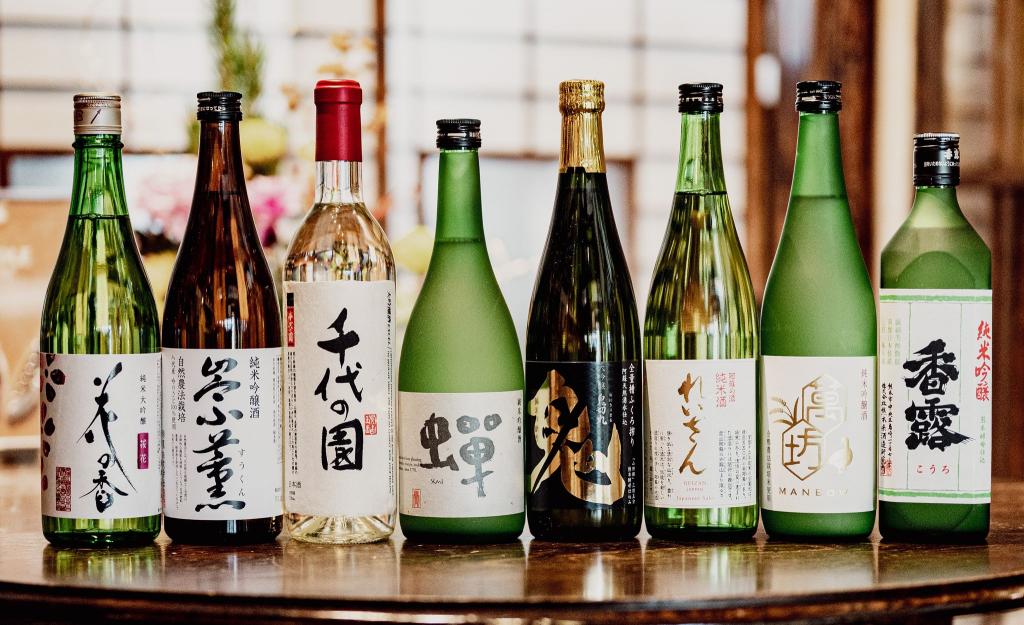
Sake vs Tape: Assessing Halal Status Based on Fermentation Process
Kawaguchiko, Japan – The halal status of food is a primary concern for Muslims. In this context, the role of religious scholars is crucial in determining whether a product can be consumed in accordance with religious teachings. Currently, discussions regarding the halal status between two fermented products, sake and tape, have become an interesting topic. Both contain alcohol from fermentation, but their halal status differs. Tape, according to most scholars, is considered halal, while sake is declared haram.
Why is this so? Let’s discuss further!
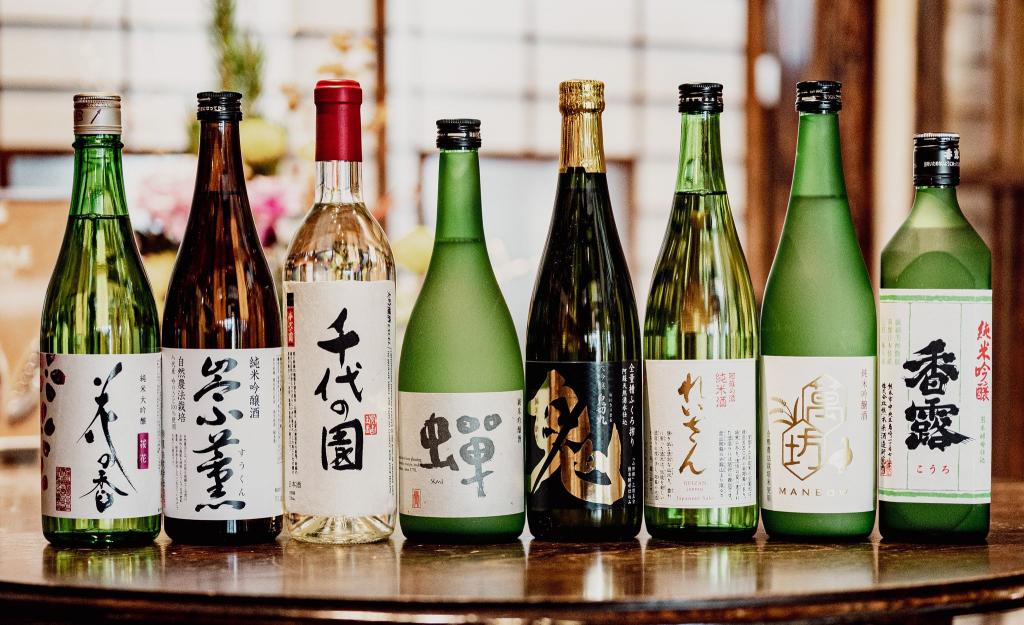
source: kumamoto-guide.jp
Sake is a traditional alcoholic beverage from Japan made from rice through a fermentation process using koji fungus. The production process is quite lengthy and involves several important stages. Here are the steps in making sake:
- Selection of rice, typically using non-sticky japonica rice.
- Selection of quality water.
- Rice polishing to remove the outer layer containing fat, minerals, and proteins that can affect taste.
- After polishing, the rice is washed, soaked, and steamed until it absorbs water.
- Koji, a fungus that grows on steamed rice, converts starch into sugar which is then fermented by yeast.
- The main fermentation takes place in large tanks for three to four weeks, producing 17%-20% alcohol.
- After fermentation, sake is filtered to separate the sediment and pasteurized at high temperatures.
- After pasteurization, sake is left to age for six months to one year to mature the flavor.
This long process produces sake with a high alcohol content, making it a type of khamr (intoxicant) that is forbidden in Islam.
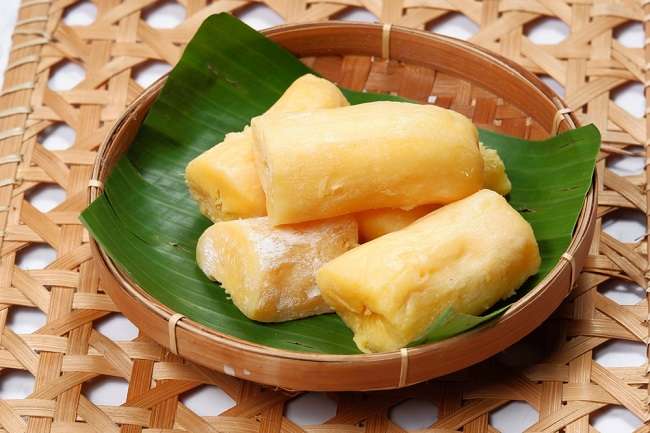
source: Alodokter
On the other hand, tape is a traditional Indonesian food made from cassava or glutinous rice fermented using yeast. Although tape also contains alcohol, its fermentation process differs from sake. Tape has a lower alcohol content and is not intended to cause intoxication. Here is the process of making tape:
- Making Cassava Tape: Cassava is washed, boiled, cooled, then given yeast and left to ferment for 3-5 days.
- Making Glutinous Rice Tape: Glutinous rice is washed, boiled with sugar water, given yeast, and left to ferment for 2-3 days.
- Fermentation Process: The fermentation process of tape involves the conversion of starch molecules into sugar, which then turns into alcohol. After a few days, bacteria in the tape reduce the alcohol content, making it safe for consumption.
According to LPH LPPOM MUI (Indonesian Ulema Council’s Assessment Institute for Foods, Drugs, and Cosmetics), tape is considered halal as long as it does not cause intoxicating effects. This is based on a hadith from Imam Ahmad and Abu Dawud “What if there is a lot of intoxicating then the least is also haram”, which is stating that if something contains alcohol in large quantities and is intoxicating, then even a small amount of it is haram.
Difference in Halal Status: Sake vs Tape
Sake contains alcohol in a fairly high concentration, which places it in the category of khamr (alcoholic beverages) and makes it haram in Islam. According to the Regulation of the Indonesian Ministry of Health, sake falls into the category of alcoholic beverages with an ethanol content of more than 20%, which is clearly forbidden. MUI also affirms that sake cannot be given a halal certificate due to its definite haram status.
Conversely, tape containing alcohol in small amounts is considered halal as long as it is not intoxicating. Tape undergoes a fermentation process that produces alcohol, but this alcohol content naturally decreases over time and is not enough to cause intoxication. Therefore, tape is not included in the category of khamr, and its status is halal as long as it is not harmful.
Although both are fermented products, the differences in alcohol content and purpose of production make the halal status of sake and tape different. Sake, with its high alcohol content, is categorized as haram, while tape, which is not intended to intoxicate, is considered halal by many scholars.
References
MZ, R. D. R., Mufrodi, Z., & Arqam, M. L. (2021, July). ANALYSIS (HALAL AND HARAM) ALCOHOL ON BLACK STICKY RICE AND CASSAVA TAPAI USING CHEMICAL AND FIQH STUDIES. In International Conference on Islam and Global Civilization.
Nishida, H. (2021). Sake Brewing and Bacteria Inhabiting Sake Breweries. Frontiers in Microbiology 12(1), 1-3.
Rustan, M., Koly, R., Arfan. (2024). Halal Status of Foods Containing Mirin Analysis of The Rules of “Iżā Ijtama’a al-¬Ḥalāl wa al-Ḥarām Gulliba al-Ḥarām”. Al-Fikrah, 2(1), 221-240.
Shahih Sunan Ibni Majah No. 2736 and also narrated by An-Nasa’i with different lafazh VIII/300.
Zhao, Z., Ding, Y., Zhang, X., Zhang, X., Li, T., Lin, Q., & Wang, L. (2025). Influence of polishing ratio on the rice brewing characteristics and the flavour quality of sake. Food Bioscience, 106145.