Warning: Anxious Livestock Compromises Meat Excellence
The Sacred Month Arrives: Preparing for Qurbani
The blessed month of Dzulhijjah beckons Muslims worldwide to partake in one of Islam’s most cherished annual rituals—the sacrifice of livestock on the 10th day. This sacred act, reserved for those blessed with adequate provisions, embodies the spirit of sharing sustenance with society’s most vulnerable members.
Beyond the Blade: Why Animal Welfare Matters
While religious compliance often centers on proper slaughtering techniques, Dr. Ir. Henny Nuraini, MSi, from IPB University’s Faculty of Animal Husbandry, emphasizes a broader perspective. The revered practice demands holistic excellence—from selecting healthy, permissible creatures to ensuring humane treatment throughout the entire journey.
“Islamic law mandates five critical prerequisites. Among these, the animal must be lawful, living, thriving,” explains Henny, a distinguished halal auditor at LPH LPPOM.
The Hidden Threat: Understanding Livestock Anxiety
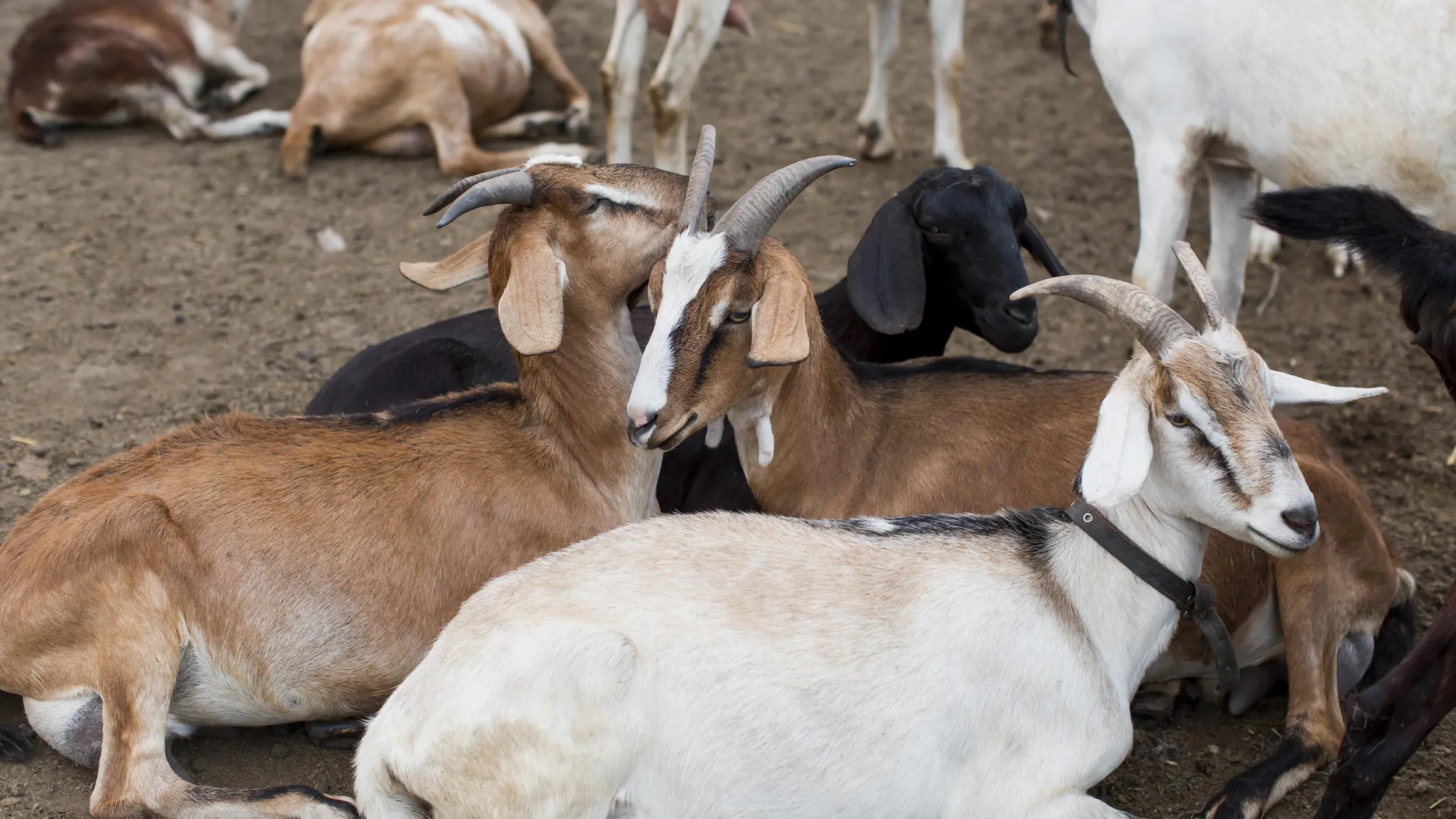
What triggers distress in sacrificial animals? According to drh. Supratikno, M.Si., PAvet., from IPB University’s Faculty of Veterinary Medicine, the causes span multiple dimensions:
- Physical stressors include exhaustion from extended travel, injuries sustained during transportation.
- Psychological triggers encompass hunger pangs, thermal discomfort, painful conditions, terror, aggressive encounters between animals.
The Science Behind Substandard Meat
When livestock experiences severe anxiety, their bodies undergo dramatic internal transformations. Muscle glycogen plummets to critical lows, fundamentally altering the meat’s biochemical makeup. The resulting flesh exhibits DFD characteristics (Dark–Firm–Dry)—a clear indicator of compromised quality.
In cases of extreme acute distress, animals resort to oxygen-deprived respiration, generating excessive lactic acid. This metabolic chaos triggers rapid pH drops, causing blood retention within neural tissue, muscular structures, vascular pathways.
“The consequence? Incomplete blood drainage. You’re left with pallid, mushy, waterlogged flesh prone to swift decomposition, excessive moisture loss during cooking,” Supratikno clarifies.
Creating Tranquility: Essential Slaughter Site Protocols
To safeguard animal composure, implement these strategic measures at processing locations:
- Establish restricted access zones
- Permit only credentialed personnel entry
- Maintain serene atmospheric conditions
- Position facilities away from holding pens
- Shield incoming livestock from witnessing others’ slaughter or decapitation
- Transport animals solely when staff, equipment stand ready
Embracing Excellence in Sacred Service
As this momentous occasion approaches, reflect upon your preparations for Eid al-Adha. Every conscientious effort invested in pursuing divine approval multiplies your spiritual rewards exponentially. LPH LPPOM offers comprehensive guidance on halal slaughtering practices through their digital platforms, including YouTube, Instagram channels.
Original Article:
Lembaga Pemeriksa Halal (LPPOM) MUI. (2025, October 7). Be careful, stressed sacrificial animals can result in poor quality meat. Retrieved from https://halalmui.org/en/be-careful-stressed-sacrificial-animals-can-result-in-poor-quality-meat/