Globalization and Social Media: How Saudi Youth Are Embracing East Asian Culture
JAKARTA – Saudi Arabia, a nation deeply rooted in Islamic tradition and values, is experiencing a remarkable cultural shift among its younger generation. Through the power of social media and digital connectivity, Saudi youth are increasingly engaging with global cultures, particularly those from East Asia, marking a significant transformation in one of the world’s most religiously conservative societies.
The Foundation: Islamic Heritage and Traditional Values
Saudi Arabia positions itself as a nation fundamentally built upon religious principles. The Kingdom holds profound significance for nearly 2 billion Muslims worldwide, serving as the Qibla—the direction Muslims face during prayer—with Mecca at its spiritual center. Every Muslim who is able must perform Hajj, the pilgrimage to Mecca, at least once in their lifetime, fulfilling one of Islam’s five pillars.
This religious centrality has historically shaped Saudi society to strongly uphold Islamic codes and regulations while rejecting perspectives that fall outside Islamic law. The nation’s culture is deeply rooted in ethics and commitment to religious fulfillment, creating a society governed by strict traditions and restrictions.
A Nation Driven by Youth
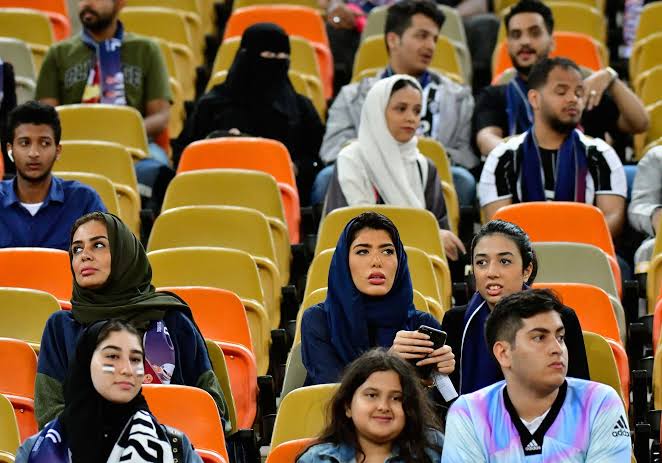
What makes Saudi Arabia’s cultural transformation particularly significant is its demographic composition. While many nations worldwide grapple with aging populations, Saudi Arabia stands out with its remarkably young demographic profile. Approximately 67% of the Kingdom’s population is under the age of 30, with around 32% below 15 years old.
This youthful energy is not merely coincidental—it is central to Saudi Arabia’s strategic vision under Vision 2030. The government recognizes young Saudis as the primary driving force behind its ambitious modernization and economic diversification plans. As one 19-year-old university student named Noor observed, “Today we are heard, seen, and cared about. There are so many activities supporting our skills and talents.”
The Saudi government has made substantial investments in equipping youth with skills for a knowledge-based economy through partnerships with leading institutions like Harvard University and the establishment of centers such as the Saudi Technical and Vocational Training Corporation. Entrepreneurship among young Saudis is flourishing through initiatives like the MiSK Foundation, which provides funding, mentorship, and resources for entrepreneurial ventures.
The Social Contract and Youth Expectations
Saudi Arabia’s youth demographic presents both an opportunity and a challenge. Research on youth in post-oil era Gulf states suggests that massive cohorts of young people—termed a “youth bulge”—challenge policymakers across security, education, labor markets, and welfare programs (Ahmed, Ramzy, & El-Saeid, 2023).
The Saudi government is investing massively in educational and employment reforms to prepare youth for a diversified economy. However, success requires young Saudis to adopt entrepreneurial values and work ethic to ensure the success of what researchers call “Neo-Saudism”—a modernized Saudi identity that balances tradition with contemporary aspirations (Ahmed et al., 2023).
This transformation requires governmental responsiveness and potentially more opportunities for youth participation in decision-making. The speed of change and the extent to which youth values and perspectives may clash with older generations remains to be determined. Researchers note that the real challenge for Saudi decision-makers will be maintaining balance and stable relations between different societal groups as cultural shifts accelerate (Ahmed et al., 2023).
The engagement with East Asian culture represents one visible dimension of this broader transformation in youth values, expectations, and identity formation.
The Language Barrier and Cultural Isolation
Historically, language has served as a significant barrier to cultural exchange in Saudi Arabia and much of the Middle East. With Arabic as the dominant and often exclusive language of communication, exposure to foreign cultures remained limited for much of the population. This linguistic isolation reinforced cultural homogeneity and reduced opportunities for direct engagement with international perspectives.
The Social Media Revolution
The advent of the Fourth Industrial Revolution, particularly the explosive growth of social media platforms, has fundamentally altered this landscape. Young Saudis now have unprecedented access to information about global events, diverse cultures, and alternative lifestyles—all at their fingertips.
Research across 19 nations found that most respondents view social media positively, noting that it makes people more informed about current events both domestically and internationally (73%) and more accepting of differences and diversity (45%). Young adults particularly embrace these benefits, though challenges exist, including increased political division (65%), reduced civility in political discourse (46%), and susceptibility to manipulation (84%).
Saudi Arabia’s Social Media Landscape
A decade ago, Saudi Arabia already demonstrated remarkable engagement with digital platforms. The Global Web Index revealed that Saudis had the world’s highest growth rate in Twitter (now X) usage, with 12% of the population using the platform and posting 1.5 million messages daily. Six million Saudis used Facebook, one million utilized LinkedIn, and the Kingdom ranked among YouTube’s largest audiences globally.
By 2022, social media penetration had expanded significantly. WhatsApp led with 87% usage, followed by Instagram (78%), Twitter (72%), Snapchat (68%), and both Facebook and TikTok (63% each).
Why Saudi Youth Use Social Media
Saudi citizens aged 16-64 report diverse motivations for social media engagement:
- Communicating with friends and family (45%)
- Filling spare time through news, videos, and memes (43%)
- Staying updated on global news (31%)
- Shopping (31%)
- Following sports (28%)
- Meeting new people (29%)
- Following influencers and celebrities (24%)
- Finding information (24%)
Analysis suggests that Saudis use these platforms “for entertainment and to fill free time,” with some engaging in serious political discussions, reading religious content, and exercising freedom of expression in a society characterized by strict social restrictions.
Studies of Saudi university students reveal that entertainment, connecting with friends, filling leisure time, and learning from scientific papers top their motivations (Al-Khamshi et al., 2023). Students appreciate gaining knowledge about community life, learning new behaviors, and strengthening national identity—though some express concern about observing behaviors contrary to Islamic values (Al-Khamshi et al., 2023).
Breaking Language Barriers
Among the most significant cultural shifts is Saudi youth’s growing fascination with East Asian culture, particularly from Japan and South Korea. Through social media exposure, young Saudis have discovered Korean pop music (K-pop), Japanese anime, Korean dramas, and broader aspects of East Asian lifestyle and entertainment.
Motivated by their interest in East Asian entertainment and culture, many young Saudis are actively learning Korean and Japanese languages, breaking down the linguistic barriers that previously limited cultural exchange. This language acquisition represents a crucial bridge, allowing deeper engagement with Korean dramas, anime, manga, and music in their original forms.
The Korean Wave in Saudi Arabia
The Kingdom has embraced Korean culture in unprecedented ways. Saudi Arabia has hosted landmark K-pop concerts that were previously unimaginable in the conservative Kingdom.
BTS in Riyadh (2019): The globally renowned Korean pop group BTS performed in Riyadh in 2019, marking a watershed moment for both Saudi entertainment and international cultural exchange. The concert drew massive crowds and demonstrated the depth of K-pop’s appeal among Saudi youth.
BLACKPINK Concert (2023): In 2023, BLACKPINK, another major K-pop act, brought their show to Saudi audiences, further cementing the Kingdom’s openness to international entertainment and confirming that the 2019 BTS concert was not an isolated event but part of a broader trend.
K-pop Master in Jeddah: The recent establishment of K-pop Master, a dedicated facility in Jeddah, represents perhaps the most tangible evidence of Korean cultural influence. This venue provides a physical space for Saudi K-pop fans to engage with their interests, attend events, and connect with fellow enthusiasts—something that would have been unthinkable just a few years ago.
Beyond music, Saudi youth have enthusiastically embraced Korean dramas, fashion trends, beauty products, and cuisine, making Korean culture one of the most visible foreign influences in the Kingdom today.
The Japanese Cultural Phenomenon
Japanese culture has also gained substantial traction among Saudi youth, primarily through anime and manga consumption. Recent research reveals just how deeply anime has penetrated Saudi youth culture.
Anime: From Nostalgia to Cultural Force
According to dentsu’s Consumer Navigator study “Anime: A Growing Opportunity for Brands,” based on a nationally representative survey of 1,400 Saudi consumers, anime has evolved from nostalgic entertainment into a cornerstone of youth identity in the Kingdom.
The statistics are striking:
- 62% of Saudi anime fans are under 35, making anime a defining pillar of youth culture
- 31% watch anime daily, triple the global average
- 67% view brands more positively when anime intellectual property features in campaigns or products
- Saudi fans are twice as likely as global counterparts to create or share anime-inspired content online
Anime’s connection to Saudi Arabia runs deep, tracing back to Arabic-dubbed classics from the 1980s that many current parents grew up watching. Today’s streaming platforms and vibrant fan communities have transformed what was once a niche interest into a mainstream cultural force shaping how young Saudis express individuality, creativity, and belonging.
The research reveals that anime’s storytelling power extends far beyond entertainment. Its themes of perseverance, friendship, and imagination resonate strongly with Saudi audiences, aligning naturally with the values of a generation defining the Kingdom’s creative future.
Ahmad Haidar, Managing Director of dentsu KSA, noted that anime has become one of the world’s most powerful forms of intellectual property, with stories and characters carrying deep emotional meaning that translates into real commercial impact. As fandom continues growing in Saudi Arabia, the intersection of anime culture and commerce presents significant opportunities.
Manga and Gaming: Beyond anime, Saudi youth are also consuming Japanese manga (comics) and video games, further deepening their connection to Japanese popular culture. The high engagement across streaming, gaming, and social platforms demonstrates the comprehensive nature of Japanese cultural influence.
The appeal of Japanese culture extends to technology appreciation, traditional aesthetics, and food culture, with Japanese restaurants becoming increasingly popular in major Saudi cities.
Navigating Tradition and Modernity
This cultural opening creates complex dynamics within Saudi society. While young people enthusiastically embrace global influences, they simultaneously navigate deeply held religious values and cultural traditions. Some Saudis express concern about social media exposing youth to behaviors inconsistent with Islamic principles.
Yet the trend continues, supported in part by Vision 2030, Saudi Arabia’s ambitious national transformation program that includes opening the Kingdom to international tourism and entertainment as part of economic diversification efforts.
The Broader Implications
The Saudi youth’s engagement with East Asian culture represents more than entertainment preferences—it signals a generation increasingly comfortable with cultural plurality while maintaining their Islamic identity. These young Saudis are developing the ability to appreciate foreign cultural expressions without necessarily abandoning their own values and traditions.
Social media has proven remarkably effective at getting people to reconsider their views on issues (65% according to research), suggesting that prolonged exposure to diverse cultures may gradually shift attitudes and values among Saudi youth.
Looking Forward
As Saudi Arabia continues its transformation under Vision 2030, the cultural landscape will likely evolve further. The government’s willingness to host international entertainment events and permit facilities like K-pop Master indicates recognition that engaging with global culture can coexist with maintaining Islamic identity.
For Saudi youth, social media and digital connectivity have opened windows to the world that previous generations never experienced. Their enthusiasm for East Asian culture—expressed through concert attendance, language study, anime consumption, and dedicated fan communities—demonstrates how globalization can bridge even the most significant cultural divides.
This phenomenon raises important questions about identity, tradition, and change in the 21st century. Can Saudi youth maintain their Islamic values while embracing global cultural influences? Early evidence suggests they are finding ways to do both, creating a unique hybrid identity that honors tradition while embracing selected aspects of modernity and global culture.
The coming years will reveal whether this cultural opening continues to expand or faces pushback from more conservative elements within Saudi society. For now, the presence of K-pop concerts in Riyadh and a K-pop Master facility in Jeddah would have seemed impossible just a decade ago—yet today they represent the new reality of Saudi youth culture.
References
Alghamdi, A. K. H. (2025). Social media orientation of local and global values in the Saudi Arabian context. Culture, Education, and Future, 3(1), 100–116. https://doi.org/10.70116/2980274185
Al-Khamshi, J. S., Al-Assaf, A. A. M., & Junaid, A. M. H. (2023). The impact of social networking on youth in Saudi society: A field study on a sample of youth. Journal of Social Research and Studies, 3(1), 142-188. https://www.rssj.org/index.php/rssj/article/view/114
Alruwaili, T. (2020). Saudi female international college students’ self-identities through the use of social media in the United States. Journal of International Students, 10(3), 655-673. https://ojed.org/jis/article/view/1270