A Vision for the Future of British Muslim Arts: Halal Food Tax Proposed to Support Creativity and Culture
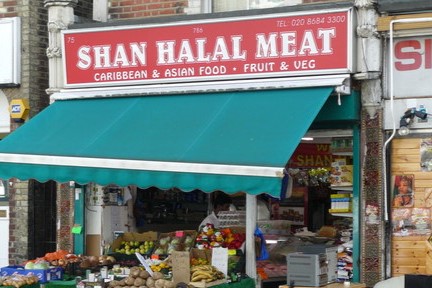 (Photo: Arts Professional)
In a bold and thought-provoking proposal, a new report has suggested the introduction of a “halal premium” to support British Muslim arts and cultural initiatives. The report, published by the thinktank Equi, highlights the untapped potential of Muslim creativity and the challenges posed by societal “culture wars” that have stifled funding and freedom of expression for Muslim artists in the UK. This visionary idea aims to reinvest a portion of the UK halal meat industry’s staggering £2 billion annual turnover into fostering the growth of Muslim arts and culture.
The Need for Change: Breaking Barriers in Arts Funding
Equi’s report sheds light on the difficulties faced by Muslim creatives in securing funding for their projects. It argues that recent “culture wars” have intensified reluctance to support initiatives associated with minoritised communities. This hesitation stems from fears of sparking controversy or generating negative headlines, leaving many Muslim artists underfunded or entirely excluded from mainstream opportunities.
The report further criticizes the current trend of channeling British Muslim creatives toward funding streams tied to government programs like Prevent, which focus on de-radicalization and community cohesion. While these initiatives claim to address extremism, they often come at the cost of artistic freedom. The report warns that such funding requirements “toxify, devalue, and limit artistic intent,” forcing artists to compromise their vision and authenticity.
The Halal Premium: A Revolutionary Solution
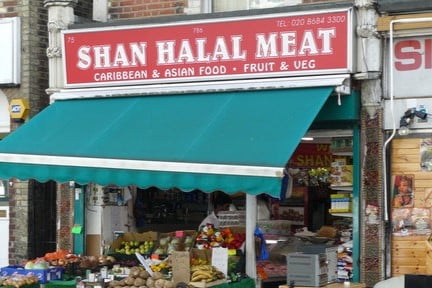
One of the report’s standout recommendations is the introduction of a “halal premium”—a small percentage of revenue from halal meat sales that would be reinvested into supporting Muslim arts and cultural projects. This innovative funding model is presented as a way to channel the economic benefits of the halal industry back into the community, ensuring that the stories, talents, and contributions of British Muslims are recognized and nurtured.
“The halal premium would be a vital step toward supporting the narratives and creativity of Muslim communities in the UK,” the report states. It emphasizes the importance of linking local artistic initiatives with global cultural exchanges, positioning British Muslim arts as a critical component of the nation’s cultural identity.
Unlocking Untapped Potential
The report also points out the remarkable generosity of British Muslims when it comes to charitable giving. According to research by consultancy Blue State, British Muslims donate an average of £708 per person annually, compared to £165 for the wider UK population. However, the report notes that this generosity has not been fully harnessed to benefit Muslim arts and culture. By encouraging strategic partnerships between charitable organizations and the Muslim private sector, the report envisions a future where resources are pooled to create vibrant, well-funded cultural initiatives.
Reclaiming the Arts: Freedom Beyond Prevent
A major critique in the report is the impact of the Prevent program on Muslim artists. Introduced as part of the UK government’s counter-terrorism strategy, Prevent requires creatives seeking funding to align their projects with anti-radicalization goals. This restrictive framework, the report argues, undermines artistic freedom and risks alienating communities by associating cultural initiatives with counter-terrorism efforts.
The report warns that this dynamic not only limits the scope of Muslim creatives but also perpetuates the very divisions Prevent claims to address. It calls for a shift away from these restrictive funding models toward ones that empower artists to explore their creativity freely and authentically.
A Call to Action: Building Infrastructure and Opportunity
At the heart of the report’s recommendations is a call for systemic change. It proposes the establishment of a National Working Group to foster dialogue, build infrastructure, and create opportunities for Muslim artists. By doing so, policymakers, cultural institutions, and communities can work together to ensure that British Muslim arts thrive both domestically and on the global stage.
Renowned musician Yusuf Islam (formerly Cat Stevens) lent his voice to the report’s findings, saying, “British Muslim arts and culture are crucial yet remain largely untapped in the UK’s current cultural landscape. By addressing current challenges and creating opportunities, policymakers can enhance the sector’s contribution to life in Britain.”
The Vision Ahead: Thriving Through Inclusion
The report concludes with a hopeful vision for the future. By implementing supportive policies, promoting inclusivity, and involving diverse stakeholders, the UK can unlock the full potential of its Muslim artists. This, in turn, would enrich the nation’s cultural, social, and economic fabric.
The proposed halal premium, combined with strategic partnerships and an inclusive funding framework, could pave the way for a flourishing arts sector that amplifies the voices of British Muslims. With the right support, this sector has the potential to become a beacon of creativity and a vital part of the UK’s cultural influence on the global stage.
Original Article:
Equi. (2025, April 2). Halal food tax to support British Muslim arts mooted. Arts Professional. https://www.artsprofessional.co.uk/news/halal-food-tax-to-support-british-muslim-arts-mooted