Understanding the Needs of Muslim Travellers in Muslim-Minority Countries
Introduction
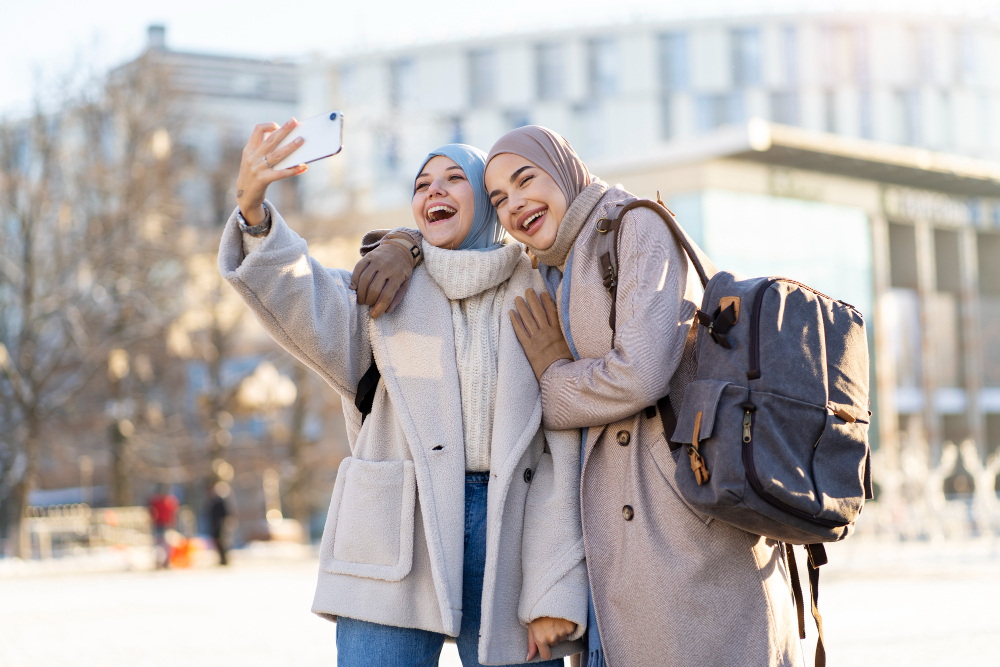
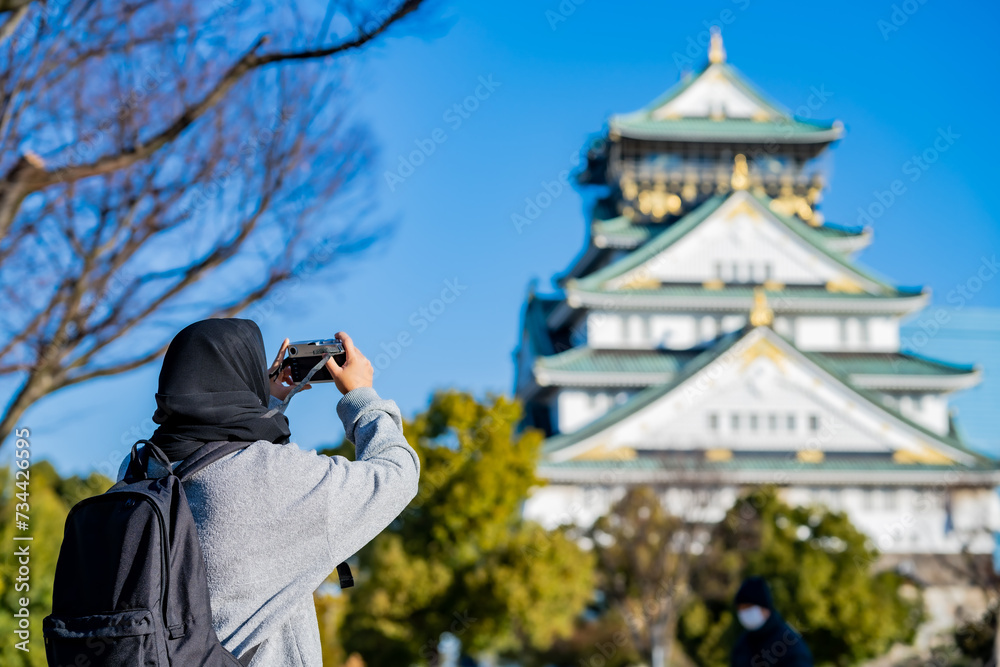
In the past decade, the number of Muslim travellers around the world has increased significantly. As a result, the tourism industry has started to pay more attention to the needs of Muslim tourists. Many countries are now trying to provide services that are friendly to Muslim visitors, such as halal food, prayer spaces, and Muslim-friendly accommodations. Interestingly, this effort is not only seen in Muslim-majority countries. Several destinations where Muslims are a minority, including Japan, South Korea, and Taiwan, have also started promoting halal-friendly tourism.
However, providing tourism services for Muslim travellers is not always easy. Even when some facilities are labelled as halal-friendly, travellers may still question whether these services truly meet their religious needs. Because of this situation, it becomes important to understand what Muslim tourists actually expect when they travel to countries where Muslims are not the majority.
A study published in the Journal of Islamic Marketing in 2020 explored this issue by examining the experiences of Muslim travellers visiting Muslim-minority countries. The research aimed to understand the main needs of Muslim tourists and identify the challenges they may face during their trips.
Growing Interest in Halal Tourism
The development of halal tourism has become an important trend in the global tourism industry. With the increasing number of Muslim travellers, many destinations see this market as an opportunity to attract more visitors. Countries such as Japan, South Korea, and Taiwan have begun introducing services that are more inclusive for Muslim tourists.
For example, some restaurants now provide halal-certified menus, while certain public places offer prayer rooms for Muslim visitors. In addition, travel agencies and tourism boards have started promoting destinations as Muslim-friendly in order to attract travellers from Muslim-majority countries.
Despite these efforts, Muslim travellers may still have concerns when visiting destinations where Islamic practices are not widely understood. This is why research on Muslim travel experiences is important to help destinations improve their services.
Research Method
The study was conducted using qualitative research methods, particularly through in-depth interviews. The researchers interviewed Muslim travellers who had recently visited Japan, South Korea, and Taiwan. These interviews allowed the researchers to understand the travellers’ personal experiences, expectations, and concerns during their trips.
In total, several Muslim travellers participated in the study and shared their travel experiences in these destinations. By analysing their responses, the researchers were able to identify common themes related to the needs and challenges faced by Muslim tourists in Muslim-minority countries.
The Importance of Prayer Facilities
One of the most important needs mentioned by Muslim travellers is access to prayer facilities. Since Muslims are required to perform five daily prayers, travellers often need a clean and quiet place to pray during their journeys. When such facilities are not available, it can become difficult for them to fulfil their religious obligations.
Some destinations have started providing prayer rooms in airports, shopping centres, and tourist attractions. These facilities are highly appreciated by Muslim visitors because they allow them to perform their prayers comfortably while travelling. However, the availability of such facilities is still limited in some places, which can sometimes create inconvenience for travellers.
Access to Halal Food
Another important concern for Muslim travellers is the availability of halal food. Islamic dietary rules require Muslims to consume food that is prepared according to halal standards. When visiting countries where halal food is not widely available, travellers may find it challenging to ensure that their meals meet these requirements.
Because of this concern, many Muslim travellers spend time researching halal restaurants before travelling. They often rely on online resources, travel guides, or recommendations from other Muslim travellers. The presence of halal-certified restaurants can significantly improve the travel experience for Muslim tourists.
In recent years, some destinations have started responding to this need by offering halal menus and halal-certified restaurants. These efforts help build trust among Muslim visitors and encourage them to consider these destinations for future travel.
Preparation Before Travelling
The study also found that Muslim travellers usually prepare carefully before visiting Muslim-minority countries. They tend to gather as much information as possible about their destinations. This preparation often includes searching for halal restaurants, mosques, prayer rooms, and Muslim-friendly hotels.
Online platforms play an important role in this process. Many travellers use websites, travel blogs, and social media to learn about the experiences of other Muslim tourists. This information helps them plan their trips more confidently and avoid potential difficulties during their travels.
Travel Experiences in Muslim-Minority Countries
Overall, the travellers who participated in the study reported generally positive experiences when visiting Japan, South Korea, and Taiwan. Many of them felt that the services provided in these countries were gradually improving in terms of accommodating Muslim visitors.
Some participants mentioned that they were able to find halal food and prayer spaces in certain areas. In addition, they appreciated the efforts made by tourism providers to become more inclusive and welcoming.
However, the study also suggests that there is still room for improvement. In particular, better communication and interaction between tourists and local communities could help create a more enjoyable travel experience. When travellers feel welcomed and understood, they are more likely to have a positive impression of the destination.
Conclusion
The growth of Muslim travel has created new opportunities for destinations around the world, including countries where Muslims are not the majority. As the number of Muslim tourists continues to increase, it becomes increasingly important for destinations to understand their specific needs.
This study highlights that access to prayer facilities and halal food remains a priority for Muslim travellers. At the same time, clear information, supportive services, and positive interactions with local communities can significantly improve their overall travel experience.
By paying attention to these aspects, Muslim-minority countries can continue to develop more inclusive tourism environments and attract a wider range of visitors from different cultural and religious backgrounds.
Reference:
Said, M. F., Adham, K. A., Muhamad, N. S., & Sulaiman, S. (2022). Exploring halal tourism in Muslim-minority countries: Muslim travellers’ needs and concerns. Journal of Islamic Marketing, 13(4), 824–842. https://doi.org/10.1108/JIMA-07-2020-0202