Eid in Iceland: A Simple Celebration with Deep Meaning
In many Muslim-majority countries, Eid is known for its large and lively celebrations. However, this is not exactly the case in Iceland. In Reykjavik, Eid is celebrated on a much smaller scale, but it carries a deeper meaning. The celebration is shaped by resilience, togetherness, and a strong sense of belonging, even in challenging conditions.
Ramadan in a Nordic Environment
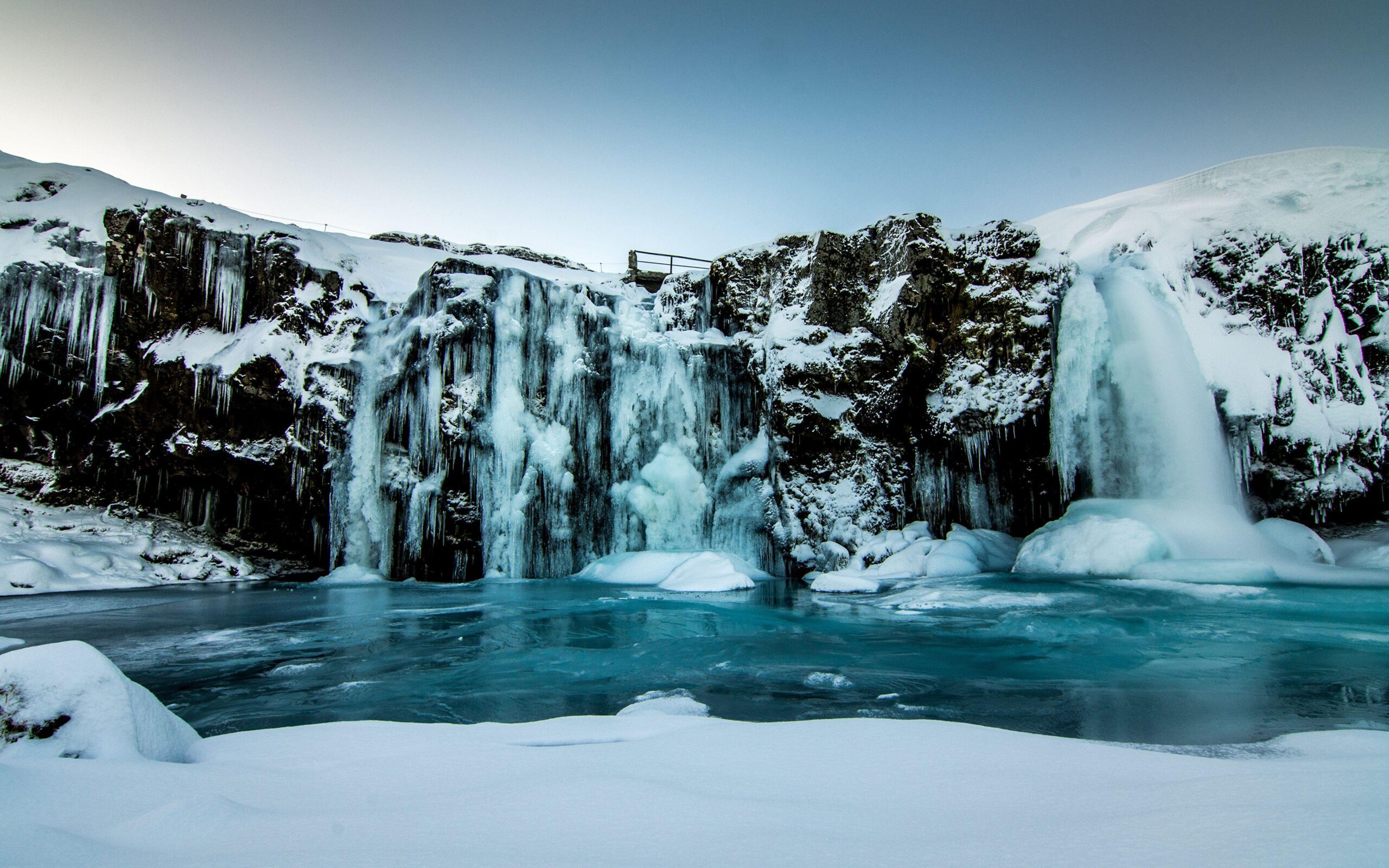
For Muslims in Iceland, who are part of a small but growing minority, Ramadan comes with unique challenges. Geography and natural conditions play a big role, especially in terms of fasting hours. During the summer, fasting can last up to nearly 22 hours a day. This creates a serious physical and mental challenge. Hunger lasts longer, and fatigue becomes more intense. Despite this, Muslims in Iceland remain committed to their faith. As a result, when Eid finally arrives, it feels truly meaningful—like the reward after a long and difficult journey.
An Intimate and Meaningful Celebration
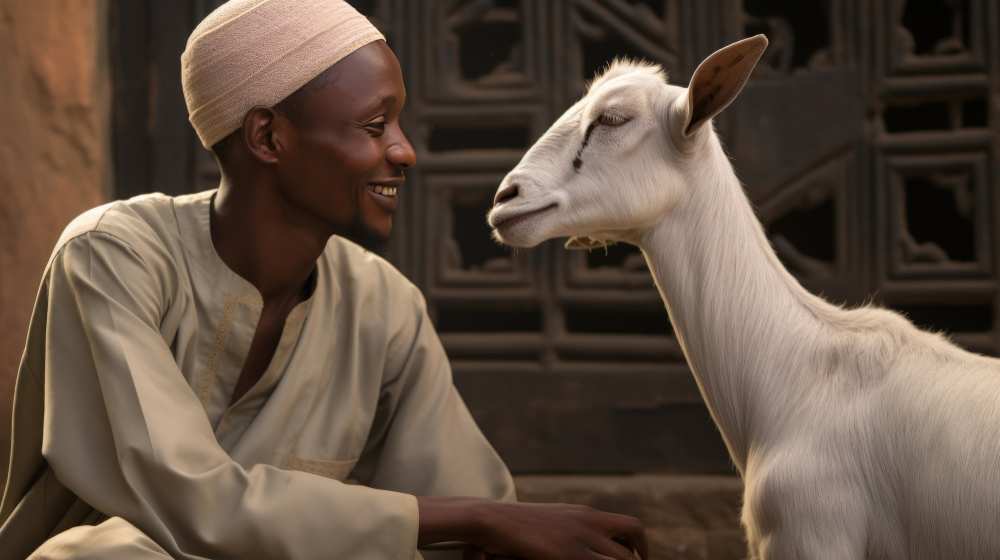
Eid prayers in Iceland usually take place in small and simple mosques. Unlike in many countries where people gather in large open spaces, the Muslim community here celebrates in a more intimate setting. This smaller space actually brings people closer together. They know each other, share stories, and build stronger connections. The prayers feel more personal and deeply emotional.
After the prayer, the celebration continues with a shared meal that reflects the community’s diversity. There is no single traditional dish. Instead, the table is filled with food from different parts of the world, such as the Middle East, South Asia, and Africa. Each dish represents a story of culture, migration, and identity. In this moment, differences do not divide people—they bring them together.
The warm atmosphere is also felt through conversations and laughter. People talk easily, enjoy each other’s company, and forget about the outside world for a while. Children add even more joy to the celebration. Dressed in their best clothes, they exchange gifts and laugh together. Their happiness represents hope—that the next generation will stay connected to their faith, even while living as a minority.
Adaptation and the Meaning of Togetherness
Practicing Islam in Iceland also requires certain adjustments, especially when it comes to fasting time. Because the sun barely sets during some parts of the year, Islamic scholars have provided guidance. Muslims can follow the fasting schedule of nearby countries or use a timetable from places like Saudi Arabia. This shows that Islam is flexible and can adapt to different environments without losing its core values.
The small size of the Muslim community also creates a unique social dynamic. There are fewer long-standing traditions from a single culture. Instead, Eid becomes a space where different cultures meet. People bring their own traditions, languages, and food, and combine them into a new shared experience. This creates a diverse and inclusive community identity.
Coming together for Eid in Iceland has a deeper meaning. As a minority, gathering itself becomes a way to affirm identity. It shows that a strong community is not about numbers, but about connection.
In the end, Eid in Iceland is full of contrasts: a small community with strong bonds, extreme natural conditions with strong faith, and physical distance with a deep sense of belonging. It proves that the meaning of Eid is not defined by how big the celebration is, but by how deeply it is felt. In its simplicity, Eid in Iceland becomes a powerful reminder of resilience, adaptation, and the human need to belong.
Reference:
Asiaonenews. (2026, March 21). Muslim community in Iceland marks Eid with resilience | Breaking silence | Asia One News [Video]. YouTube. https://www.youtube.com/watch?v=5j3YJFOBwN4