Children’s Rights in an Islamic Perspective
Introduction
Children’s rights are an important issue in Islam because they are closely connected to the responsibilities of parents and the future of society. In Islamic teachings, children’s rights are not only about what children receive, but also about what parents are required to provide. Therefore, fulfilling these rights is not only a social responsibility but also a moral and spiritual duty.
Islam provides a comprehensive approach to child development. It covers not only physical needs, but also emotional care, moral guidance, and education. This shows that Islam values children as individuals who must be nurtured in a balanced and meaningful way.
The Position of Children in Islam
In Islam, children are seen as a blessing and a source of happiness in the family. At the same time, they represent hope for the future because they will continue the values, beliefs, and teachings of their parents.
Children also have spiritual significance. When they grow into good individuals, they can become a source of ongoing reward for their parents. This makes the relationship between parents and children meaningful not only in this life, but also in the hereafter.
Children’s Rights in Islam
1. The Right to Life and Development
Every child has the right to live and grow properly. Islam emphasizes the importance of protecting children from harm and ensuring their healthy development.
Children must be cared for from an early stage so they can grow physically, emotionally, and mentally in a balanced way.
2. The Right to Protection
Children have the right to be protected from both physical and moral dangers. Protection in Islam includes guiding children so they can avoid harmful behavior and develop good character.
Parents are responsible for teaching values and helping children understand what is right and wrong in life.
3. The Right to Financial Support
Parents are responsible for providing their children’s basic needs, such as food, clothing, and shelter. This support is essential for the child’s well-being and development.
In Islam, fulfilling these needs is not only a duty but also an act of worship. Parents are expected to continue this support until the child becomes independent.
4. The Right to Education
Education is one of the most important rights of children in Islam. Children have the right to gain knowledge and develop their abilities. However, education in Islam is not limited to academic learning.
It also focuses on building good character, strong faith, and moral responsibility. Education helps children understand their role in life and prepares them to become responsible members of society.
In this sense, Islamic education aims to create a balanced individual who is not only knowledgeable but also ethical and spiritually aware.
5. The Right to Justice
Islam teaches that all children must be treated fairly. Parents should not show favoritism or discriminate between their children for any reason.
Fair treatment is important because it affects children’s emotional well-being and helps create harmony within the family.
6. The Right to Love and Care
Love and affection are essential for a child’s development. Islam encourages parents to express their love through actions, such as giving attention, showing kindness, and providing emotional support.
Children who receive enough love tend to grow into more confident and emotionally stable individuals.
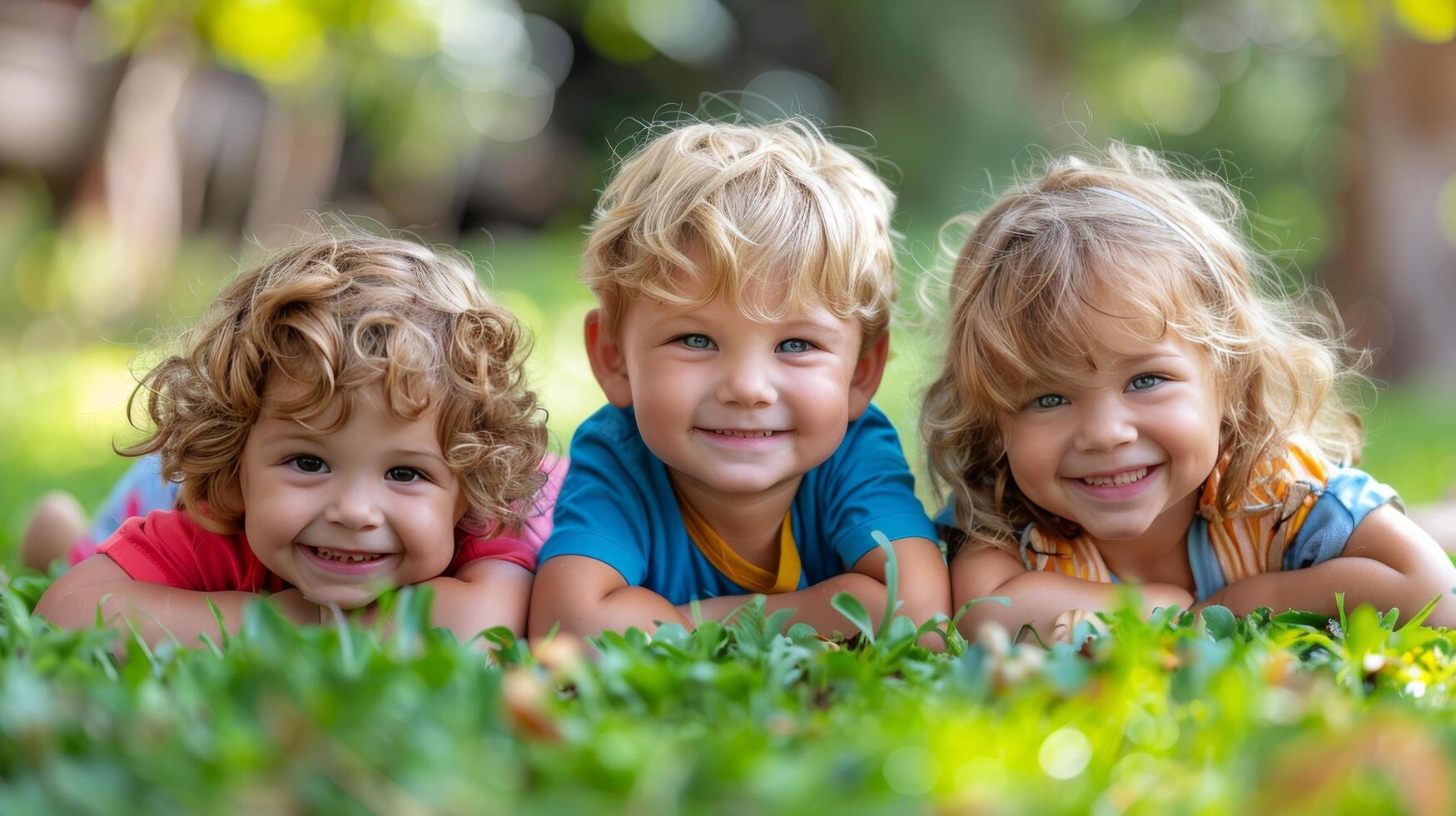
7. The Right to Play
Children also have the right to enjoy their childhood. Playing is an important part of development because it helps children learn social skills, creativity, and problem-solving.
Islam recognizes the importance of balance, allowing children to play while still learning positive values.
The Role of Islamic Education in Fulfilling Children’s Rights
Children’s rights in Islam are closely connected to the purpose of education. Islamic education is not only about transferring knowledge, but also about shaping a person’s character and behavior.
It aims to develop individuals who have strong faith, good morals, and a sense of responsibility toward others. This means that fulfilling children’s rights, especially the right to education, plays a key role in building a better generation.
Through proper education, children are expected to grow into individuals who can contribute positively to society while maintaining strong moral values.
Conclusion
Overall, Islam provides a comprehensive understanding of children’s rights, covering physical, emotional, educational, and spiritual aspects. These rights show that Islam takes a holistic approach to child development.
Fulfilling these rights is the responsibility of parents and is also considered an act of worship. By meeting these responsibilities, parents not only support their children’s growth but also help build a morally strong and responsible generation.
References
Budiyanto, H. M. (n.d.). Hak-hak anak dalam perspektif Islam. Fakultas Ilmu Tarbiyah dan Keguruan, UIN Sunan Kalijaga Yogyakarta.