Thailand’s Digital Halal Revolution: How AI is Transforming Islamic Commerce in Southeast Asia
A Buddhist-majority nation emerges as an unlikely leader in halal science, using artificial intelligence to build trust in the $2.29 trillion global Islamic economy!
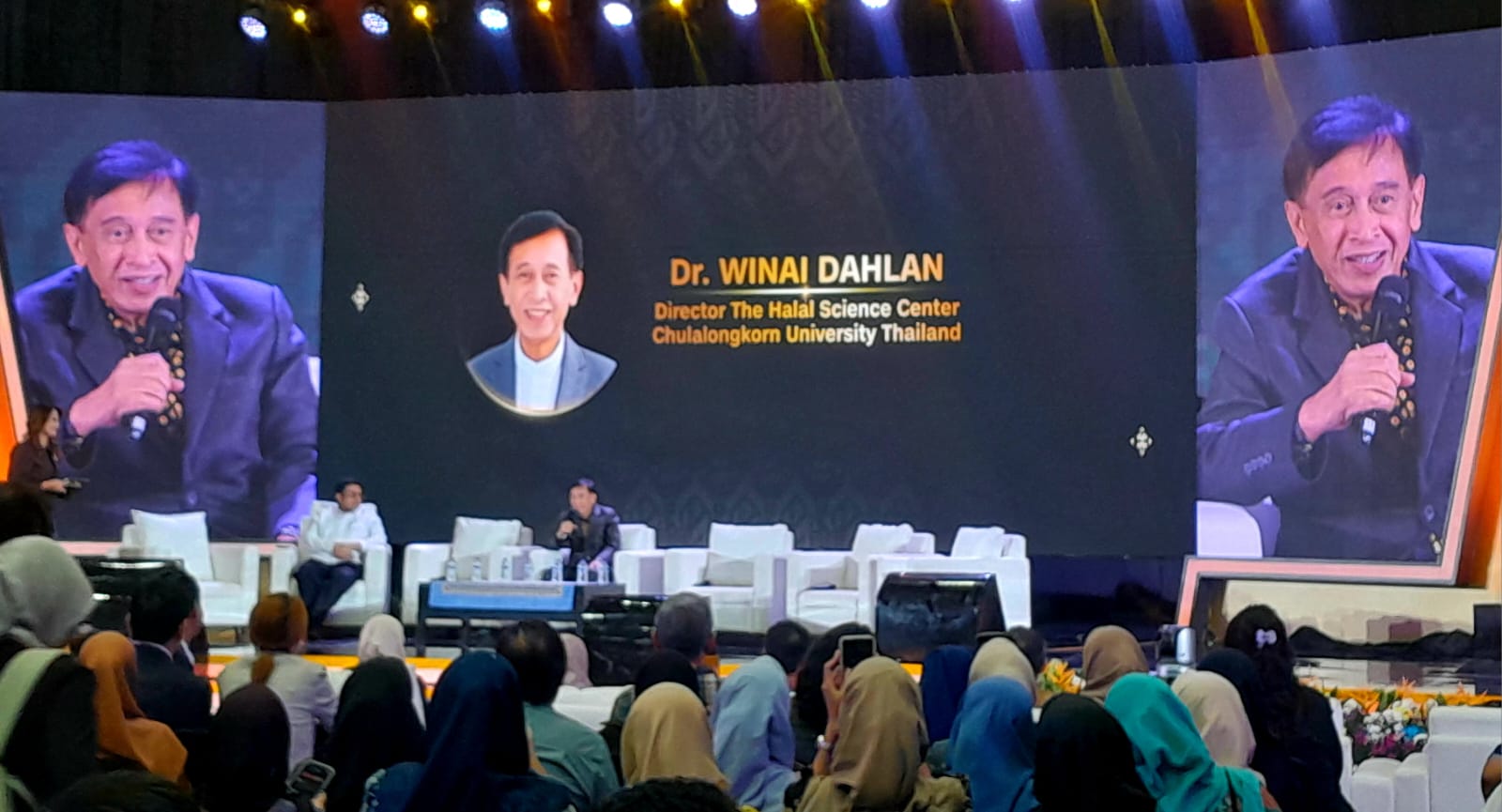
In the gleaming halls of Jakarta’s International Convention Center, an unexpected story of innovation and religious diplomacy unfolded on June 20, 2025. As delegates from across the Muslim world gathered for the Indonesia International Halal Festival (IIHF) 2025, all eyes turned to an unlikely protagonist: Thailand, a Buddhist-majority nation that has quietly positioned itself at the forefront of halal science and technology.
Prof. Dr. Winai Dahlan, founder of Chulalongkorn University’s Halal Science Center, took the stage to unveil Thailand’s groundbreaking “2AI” approach—a revolutionary integration of “Actual Implementation” and “Artificial Intelligence” that promises to transform how the world understands and verifies halal products. His presentation wasn’t just about technology, it was about how a nation of 70 million people, with Muslims comprising less than 5% of the population, has become a global leader in Islamic commerce innovation.
The Paradox of Thai Halal Leadership
Thailand’s emergence as a halal science pioneer represents one of the most fascinating paradoxes in modern Islamic commerce. While Muslim-majority nations often struggle with halal standardization and enforcement, this Southeast Asian kingdom has methodically built the world’s most sophisticated halal verification systems.
The journey began in 2003 when the Thai government made a strategic decision that would reshape the country’s economic future. Recognizing the massive potential of the global halal market—then valued at just a fraction of today’s $2.29 trillion—Thailand established the world’s first Halal Science Center (HSC) at prestigious Chulalongkorn University.
This wasn’t merely an academic exercise. Thailand understood that in an increasingly connected world, religious dietary requirements would become a significant economic opportunity. The country’s strategic location, advanced manufacturing capabilities, and commitment to quality made it an ideal platform for halal innovation.
The 2AI Revolution: Beyond Traditional Certification
Prof. Winai Dahlan’s “2AI” approach represents a fundamental shift in how halal compliance is understood and implemented. Traditional halal certification has long relied on documentation review, facility inspections, and religious oversight—methods that, while important, can be subjective and difficult to scale globally.
The “Actual Implementation” component focuses on rigorous, science-based verification methods that leave no room for doubt. This includes:
- Advanced Laboratory Testing: DNA analysis to detect pork contamination, sophisticated alcohol detection systems, fatty acid profiling to identify non-halal ingredients, and gelatin source verification through molecular techniques.
- Supply Chain Verification: Complete traceability of ingredients from source to final product, ensuring that every component meets halal requirements throughout the manufacturing process.
- Process Monitoring: Real-time oversight of production methods to ensure compliance with Islamic slaughter requirements and prevent cross-contamination with non-halal products.
The “Artificial Intelligence” component leverages cutting-edge technology to enhance accuracy, efficiency, and transparency:
- Machine Learning Algorithms: AI systems that can identify potential contamination patterns and predict compliance risks before they become problems.
- Automated Quality Control: Smart sensors and monitoring devices that continuously assess production environments for halal compliance.
- Predictive Analytics: Data-driven insights that help manufacturers optimize their processes for both efficiency and religious compliance.
HAL-Q: The Gold Standard of Halal Assurance
Thailand’s HAL-Q (Halal Assurance, Liability and Quality) system represents perhaps the most comprehensive halal verification framework ever developed. The system’s scope is staggering:
- 1,000+ food manufacturing facilities under continuous monitoring.
- 159,000 workers trained in halal compliance procedures.
- 197,744 laboratory samples analyzed for various compliance markers.
- ISO/IEC 17025:2017 certification ensuring international recognition of testing standards.
This isn’t just impressive scale—it’s a complete reimagining of how halal compliance can be systematically implemented across an entire industry. The HAL-Q system creates multiple layers of verification, from ingredient sourcing to final product delivery, ensuring that consumers can trust the halal status of Thai products with unprecedented confidence.
The system’s forensic capabilities are particularly noteworthy. Using advanced DNA analysis, HAL-Q can detect even trace amounts of pork or other non-halal substances, while sophisticated chemical analysis can identify alcohol residues that might be invisible to traditional inspection methods. This level of scientific rigor has earned Thailand recognition from halal authorities worldwide.
Digital Innovation: The Halal Route App and Blockchain Integration
Thailand’s commitment to halal innovation extends beyond manufacturing into the digital realm. The Halal Route App represents a comprehensive ecosystem that connects Muslim consumers, businesses, and service providers through a single platform.
- Comprehensive Database: The app integrates information about halal restaurants, mosque locations, tourist attractions suitable for Muslim visitors, and certified halal products—creating a complete resource for Muslim consumers and travelers.
- Blockchain Transparency: Perhaps most innovatively, the app incorporates blockchain technology to create immutable records of halal certification and supply chain information. This means consumers can trace their food from farm to table with complete confidence in the data’s authenticity.
- NFT and Smart Contracts: The integration of Non-Fungible Tokens (NFTs) and smart contracts creates a new paradigm for halal certification. Each certified product can have a unique digital certificate that cannot be forged or manipulated, while smart contracts automatically enforce compliance requirements throughout the supply chain.
- User Adoption: With over 100,000 registered users, the Halal Route App demonstrates significant market acceptance and provides Thailand with valuable data about Muslim consumer preferences and behaviors.
Geopolitical Strategy: Halal as Soft Power
Thailand’s halal innovation isn’t occurring in a vacuum—it’s part of a sophisticated geopolitical strategy that leverages religious commerce as a form of soft power diplomacy. This approach has become particularly relevant amid growing global economic uncertainty and trade fragmentation.
- Geographic Advantages: Thailand’s position at the heart of Southeast Asia makes it an ideal hub for reaching the region’s 275 million Muslims, while its advanced logistics infrastructure facilitates exports to the Middle East, South Asia, and beyond.
- Economic Diversification: As traditional export markets face various challenges, Thailand’s halal sector provides economic diversification and access to rapidly growing Muslim consumer markets.
- Diplomatic Benefits: Thailand’s halal leadership has strengthened relationships with Muslim-majority countries, creating opportunities for broader diplomatic and economic cooperation.
- Regional Leadership: By pioneering halal science, Thailand has positioned itself as an indispensable partner for ASEAN countries seeking to develop their own halal industries.
Responding to Geo-Economic Fragmentation
Prof. Winai Dahlan’s presentation explicitly addressed how Thailand’s halal strategy responds to growing “Geo-Economic Fragmentation” (GEF)—the tendency for global trade to break into competing blocs amid rising protectionism and trade tensions.
Before the current era of trade uncertainty, the global halal economy was valued at $2.29 trillion and growing at 8-15% annually. However, as traditional trade relationships become strained, countries like Thailand are positioning halal products as alternative commodities that can transcend geopolitical divisions.
- Market Stability: The halal market’s religious foundation provides stability that secular markets often lack during economic uncertainty. Muslim consumers prioritize halal compliance regardless of economic conditions.
- Trade Diversification: Thailand’s halal strategy reduces dependence on any single market or trading partner, distributing economic risk across multiple regions and demographic groups.
- Strategic Positioning: By establishing halal credibility now, Thailand positions itself to capture market share as global trade patterns continue evolving.
International Partnerships and Recognition
Thailand’s halal diplomacy has produced impressive results in building international partnerships and recognition:
- Islamic Chamber of Commerce and Development (ICCD): The cooperation agreement signed in Makkah, Saudi Arabia, provides Thailand with official recognition from the Organization of Islamic Cooperation (OIC) and facilitates technology transfer to OIC member countries.
- Saudi FDA Partnership: Collaboration with Saudi Arabia’s Food and Drug Authority provides access to the world’s most important halal market and validates Thailand’s standards.
- Emirates International Accreditation Centre (EIAC): Partnership with this UAE institution strengthens Thailand’s position in Gulf Cooperation Council markets.
- SMIIC Representation: Thailand’s role in the Standards and Metrology Institute for Islamic Countries demonstrates its influence in setting international Islamic commerce standards.
These partnerships aren’t merely ceremonial—they create practical frameworks for trade facilitation, technology sharing, and market access that benefit Thai businesses and their international partners.
The Science Behind Halal Innovation
What sets Thailand’s approach apart is its commitment to rigorous scientific methodology. The Halal Science Center at Chulalongkorn University conducts research that influences global halal standards:
- Analytical Chemistry: Development of new methods for detecting non-halal substances in increasingly complex food products.
- Biotechnology: Research into halal-compliant alternatives to traditionally problematic ingredients like gelatin and certain food additives.
- Food Technology: Innovation in processing methods that maintain halal compliance while improving product quality and shelf life.
- Digital Systems: Development of software and hardware solutions that enhance halal supply chain management and consumer transparency.
This research foundation ensures that Thailand’s halal standards evolve with changing technology and consumer expectations, maintaining the country’s leadership position.
Economic Impact and Market Opportunities
Thailand’s halal sector represents significant economic opportunity both domestically and internationally:
- Export Growth: Thai halal exports have grown consistently, with the country becoming a major supplier to Muslim markets in ASEAN, the Middle East, and beyond.
- Manufacturing Investment: International companies are establishing halal-compliant manufacturing facilities in Thailand to access the country’s certification expertise and supply chain infrastructure.
- Tourism Integration: The halal tourism sector, supported by the Halal Route App and infrastructure, attracts millions of Muslim visitors annually, contributing billions to the economy.
- Technology Exports: Thailand’s halal technology solutions are being adopted by other countries, creating new revenue streams from intellectual property and consulting services.
Challenges and Future Opportunities
Despite impressive achievements, Thailand’s halal sector faces several challenges that will influence future development:
- Scale Competition: As other countries develop their halal capabilities, Thailand must continue innovating to maintain its competitive advantages.
- Religious Authenticity: Balancing scientific rigor with religious requirements requires ongoing dialogue with Islamic scholars and authorities.
- Technology Integration: Ensuring that advanced technologies like AI and blockchain enhance rather than complicate halal compliance.
- Market Education: Helping global consumers understand and value Thailand’s scientific approach to halal certification.
However, these challenges are balanced by significant opportunities:
- Market Expansion: Growing Muslim populations worldwide create expanding markets for Thai halal products and services.
- Technology Leadership: Thailand’s early investment in halal technology positions it to lead the next generation of Islamic commerce innovation.
- Regional Integration: ASEAN economic integration creates opportunities for Thailand to serve as the region’s halal hub.
- Sustainability Integration: Growing consumer interest in sustainable and ethical production aligns with halal principles, creating new market opportunities.
Consumer Trust in the Digital Age
Modern Muslim consumers are increasingly sophisticated in their halal requirements. They demand not just religious compliance but also transparency, quality, and ethical production. Thailand’s 2AI approach directly addresses these evolving expectations:
- Scientific Verification: Laboratory testing and AI analysis provide objective, verifiable proof of halal compliance that goes beyond traditional certification methods.
- Digital Transparency: Blockchain technology and the Halal Route App give consumers unprecedented access to information about their food’s production and certification.
- Quality Assurance: Integration of quality control with halal compliance ensures that religiously appropriate products also meet high standards for safety, nutrition, and taste.
- Ethical Production: Thailand’s emphasis on worker training and systematic compliance creates production environments that align with Islamic values of fairness and responsibility.
Innovation Ecosystem Development
Thailand’s success in halal innovation reflects a comprehensive ecosystem that includes:
- Academic Research: Universities conducting cutting-edge research in halal science and technology.
- Government Support: Policy frameworks and funding that encourage halal industry development.
- Private Sector Engagement: Companies investing in halal-compliant facilities and innovative products.
- International Collaboration: Partnerships with global institutions that enhance Thailand’s halal expertise and market access.
- Technology Integration: Systematic adoption of advanced technologies that improve halal compliance and consumer experience.
This ecosystem approach ensures that Thailand’s halal sector continues evolving and adapting to changing market conditions and consumer expectations.
Looking Forward: The Future of Halal Innovation
As the global halal market continues its rapid expansion toward an estimated $3+ trillion by 2030, Thailand’s pioneering approach to AI-driven halal science positions the country at the forefront of this growth. The 2AI strategy represents more than just technological innovation—it’s a blueprint for how countries can leverage religious commerce to build economic opportunity, diplomatic relationships, and technological leadership.
The success of Thailand’s approach could inspire other non-Muslim majority countries to develop their own halal capabilities, potentially creating a more competitive and innovative global halal marketplace. This competition would ultimately benefit Muslim consumers worldwide by driving improvements in quality, transparency, and accessibility of halal products.
Conclusion: Beyond Certification to Transformation
Thailand’s presentation at IIHF 2025 represented more than a showcase of technological achievement—it demonstrated how innovation, strategic thinking, and cultural sensitivity can transform religious requirements into economic opportunities. The country’s journey from halal newcomer to global leader in just two decades provides a roadmap for other nations seeking to participate in the world’s fastest-growing consumer market.
Prof. Winai Dahlan’s 2AI approach, the comprehensive HAL-Q system, and the innovative Halal Route App collectively represent a new paradigm for halal commerce—one where science enhances faith, technology builds trust, and innovation serves religious principles. As global economic uncertainty continues, Thailand’s halal strategy offers a model for how countries can build resilient, values-based economic relationships that transcend traditional geopolitical boundaries.
The Buddhist kingdom’s emergence as a halal science leader proves that religious commerce isn’t about religious identity—it’s about understanding, respecting, and serving the needs of diverse global communities. In doing so, Thailand has not only built a thriving halal sector but also demonstrated the power of inclusive innovation to bridge cultural divides and create shared prosperity.
As the global halal market continues its spectacular growth, Thailand’s pioneering work in AI-driven halal science ensures the country will remain at the center of this transformation, turning religious requirements into technological innovation and economic opportunity for decades to come.
Original Article:
MINA News. (2025, June 20). Thailand dorong inovasi halal berbasis AI di tengah ketidakpastian ekonomi global. https://minanews.net/thailand-dorong-inovasi-halal-berbasis-ai-di-tengah-ketidakpastian-ekonomi-global/