School Board Vice President Loses Committee Roles After Controversial Facebook Post About Halal Food
A Facebook Post That Changed Everything
What started as a simple social media comment has erupted into a heated community debate about religious freedom, dietary choices, and the boundaries of public service. In South Brunswick, New Jersey, a school board vice president found herself at the center of a controversy that highlights the complex intersection of personal beliefs and public responsibilities.
The Post That Sparked Outrage
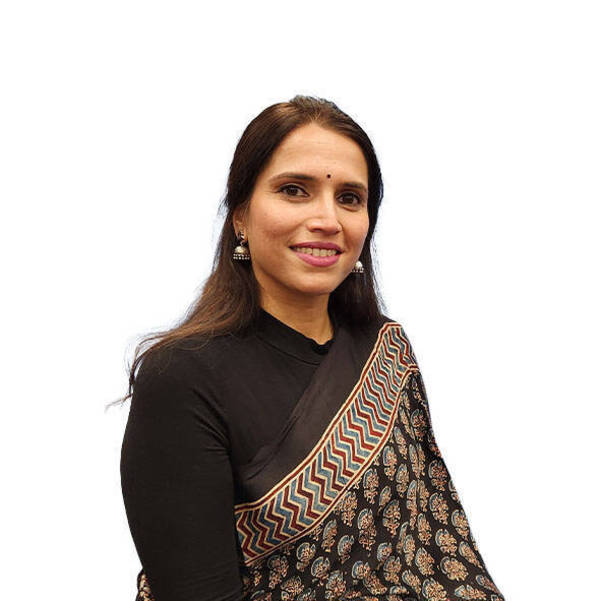
In May 2025, Deepa Karthik, Vice President of the South Brunswick Board of Education, shared her personal views on Facebook about halal food certification. Her post read:
“As a Hindu I don’t consume Halal products. Halal is a specific method of slaughter and contamination. There is no reason for tea, coffee, rice, wheat, spices, vegetables, milk, sweets etc to be Halal certified.”
The word “contamination” became the lightning rod. To many in the Muslim community, this wasn’t just a dietary preference – it felt like an attack on their religious practices.
The Fallout: Committees Lost, Community Divided
By June, the board had made its decision. During a special meeting that drew passionate public comments for over an hour, they removed Karthik from both the policy committee and education committee. The reason? Violation of Policy 0169.02, which governs how board members use social media.
Here’s the catch! while the board can strip committee assignments, they can’t actually remove or demote an elected member for policy violations. Karthik remains vice president, but with significantly reduced influence.
Understanding the Cultural Context
To understand this controversy, you need to grasp what halal means. For Muslims, halal certification ensures food meets Islamic dietary laws – similar to how kosher certification works for Jewish consumers. It’s not just about meat; many processed foods seek certification to guarantee no forbidden ingredients were used.
Karthik’s Hindu perspective adds another layer. Many Hindus avoid halal meat due to religious beliefs about non-violence and specific slaughter methods. However, her use of “contamination” to describe halal processes crossed a line for many community members.
The Defense: Lost in Translation?
Karthik maintains her words were misunderstood. She clarified that by “contamination,” she meant the slaughter method itself, not that halal food was literally contaminated or dirty. Her intention, she says, was to express her personal dietary restrictions based on Hindu principles of non-violence.
“I am deeply saddened and hurt that my thoughts were misunderstood,” Karthik stated, claiming her comments came from “deeply held Hindu belief of non-violence, and non-consumption of halal products.”
The Bigger Picture: A Pattern of Inclusion?
Karthik pointed to her track record to defend against accusations of intolerance. She highlighted voting to add Christmas to the district calendar and supporting the recent decision to offer halal options in school cafeterias.
“I welcome this inclusive move to support all those who require this dietary accommodation,” she said, emphasizing her diverse background growing up in a predominantly Muslim community and attending a Christian school as a Hindu.
The Community Responds: Free Speech vs. Public Trust
The community reaction split along predictable lines. Supporters rallied around Karthik, framing the issue as free speech protection. “Her social media posts are her personal views and are protected under the First Amendment,” one resident argued. “We are not living in a country that is governed by sharia law.”
But critics saw it differently. For them, this wasn’t about silencing opposing views – it was about maintaining community trust and ensuring all families feel welcome in their schools.
The Modern Dilemma: When Personal Becomes Public
Board President Laura Hernandez tried to strike a middle ground, emphasizing that Karthik’s comments were personal and didn’t represent the board’s views. Yet she acknowledged the board’s “primary responsibility is to ensure the success, safety, and well being of all students while maintaining the trust of the community we serve.”
This controversy highlights a growing challenge in our digital age:
Where do personal rights end and public responsibilities begin?
When elected officials share personal views online, do those views inevitably reflect on their public roles?
What This Means for School Governance
The South Brunswick situation reflects broader tensions in American communities grappling with increasing diversity. School boards, traditionally focused on budgets and curricula, now find themselves navigating complex cultural and religious sensitivities.
The question isn’t whether Karthik had the right to express her views – she clearly did. The question is whether those views, however well-intentioned, compromised her effectiveness in serving a diverse community.
Moving Forward: Lessons Learned
As the dust settles, this controversy offers important lessons for public officials everywhere:
- Words matter: In our interconnected world, personal social media posts can have very public consequences, especially for elected officials.
- Context is crucial: Understanding how different communities might interpret your words can prevent unintended offense.
- Trust is fragile: Once community trust is damaged, rebuilding it requires more than explanations – it demands consistent actions over time.
The South Brunswick community now faces the challenge of moving forward while addressing the underlying tensions this controversy has exposed. Whether they succeed may depend on their willingness to engage in honest dialogue about diversity, inclusion, and the responsibilities that come with public service.
For Karthik, the path ahead involves proving through actions that her commitment to serving all students transcends any personal dietary preferences or religious beliefs. For the community, it means deciding whether forgiveness and understanding can triumph over division and mistrust.
Original Article:
TapInto South Brunswick. (2025, June 26). South Brunswick Board of Education VP removed from committees due to social media posts on Halal foods. TAPinto. https://www.tapinto.net/towns/south-brunswick/sections/education/articles/south-brunswick-board-of-education-vp-removed-from-committees-due-to-social-media-posts-on-halal-foods