The Art of Mindful Sipping: How Indonesian Muslims Discover Halal Secrets in Japan’s Tea Culture
Japan is globally renowned for its distinctive tea culture, particularly ocha and matcha, which have become inseparable from the nation’s identity. As the number of Muslim tourists from Indonesia visiting Japan continues to rise, green tea is not only enjoyed as a local beverage during visits but has also become a top choice for souvenirs. However, behind its popularity, many travelers remain unaware that packaged and processed tea products sold in Japan may not necessarily meet halal standards. This article examines the dynamics of Japanese tea consumption from the perspective of Indonesian Muslim tourists while highlighting the critical importance of halal certification to ensure safe consumption of tea products in international markets.
The Japanese Tea Craze Among Indonesian Travelers
In recent years, Japan has emerged as one of Indonesia’s favorite tourist destinations, particularly among Muslim travelers. Beyond the allure of culture and technology, many tourists are drawn to experience authentic Japanese green tea, including the famous ocha and matcha. Sipping matcha latte in Kyoto, attending traditional tea ceremonies, or indulging in matcha ice cream has become a “must-do” authentic experience.
The obsession doesn’t end there. Japanese tea products in various packaged forms—matcha powder, tea bags, candies, and tea-based snacks—are frequently brought home as quintessential Japanese souvenirs for family and friends back home. But behind this enthusiasm lies a crucial question that few dare to ask: Are these Japanese tea products actually halal?
The Dark Side of Japan’s Tea Revolution
(Photo by: coffeedesk)
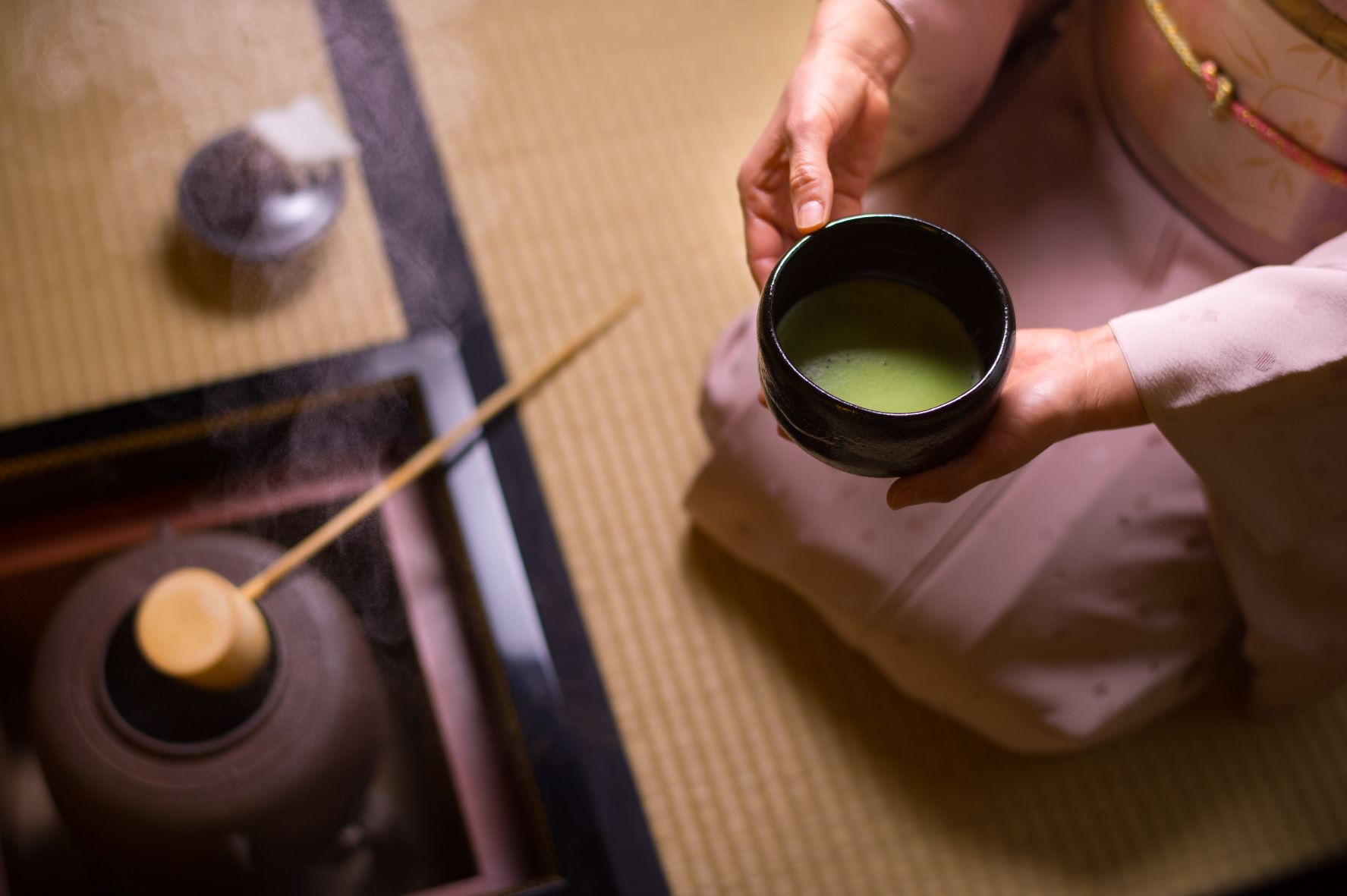
Tea in Japan transcends being merely a daily beverage—it’s part of cultural heritage. Green tea (ocha) is served in countless forms, from hot beverages and bottled drinks to food and cosmetics. Matcha, with its distinctive bitter taste and deep green color, is now used in an astonishing array of modern products:
- Chocolate and matcha cakes that look innocent but hide complex ingredients
- Instant drinks and sachets with mysterious flavor enhancers
- RTD (ready-to-drink) bottled products processed in shared facilities
- Ice cream, lattes, and desserts containing emulsifiers of unknown origin
- Matcha powder for home use that may have crossed contamination
This diversification, while commercially attractive, opens numerous critical points from a halal perspective—especially since many products use additives like emulsifiers, flavorings, or stabilizers that could be derived from non-halal sources.
The Hidden Halal Hazards: What Lurks in Your Tea?
1. The Additive Trap
Several processed tea products contain additives such as natural flavors that may contain alcohol, animal-based emulsifiers, or even gelatin. Without official halal labeling, these ingredients potentially render the tea non-compliant with Islamic law. The shocking truth? That “natural” matcha latte you’re sipping might contain alcohol-based vanilla extract.
2. The Cross-Contamination Crisis
Production facilities in Japan often handle various types of products simultaneously. Tea might be produced in factories that also process foods containing alcohol or pork, potentially causing cross-contamination. Imagine your “pure” green tea being processed on the same line as pork-flavored snacks—a potentially serious concern for Muslim travelers.
3. The Labeling Deception
Many tea products in Japan only feature claims like “natural” or “organic” but fail to indicate halal status. Unsuspecting travelers might mistakenly assume all tea products are automatically halal simply because they’re plant-based. This assumption could be their biggest mistake.
The Souvenir Trap: When Good Intentions Go Wrong
(Photo by: Tezumi)
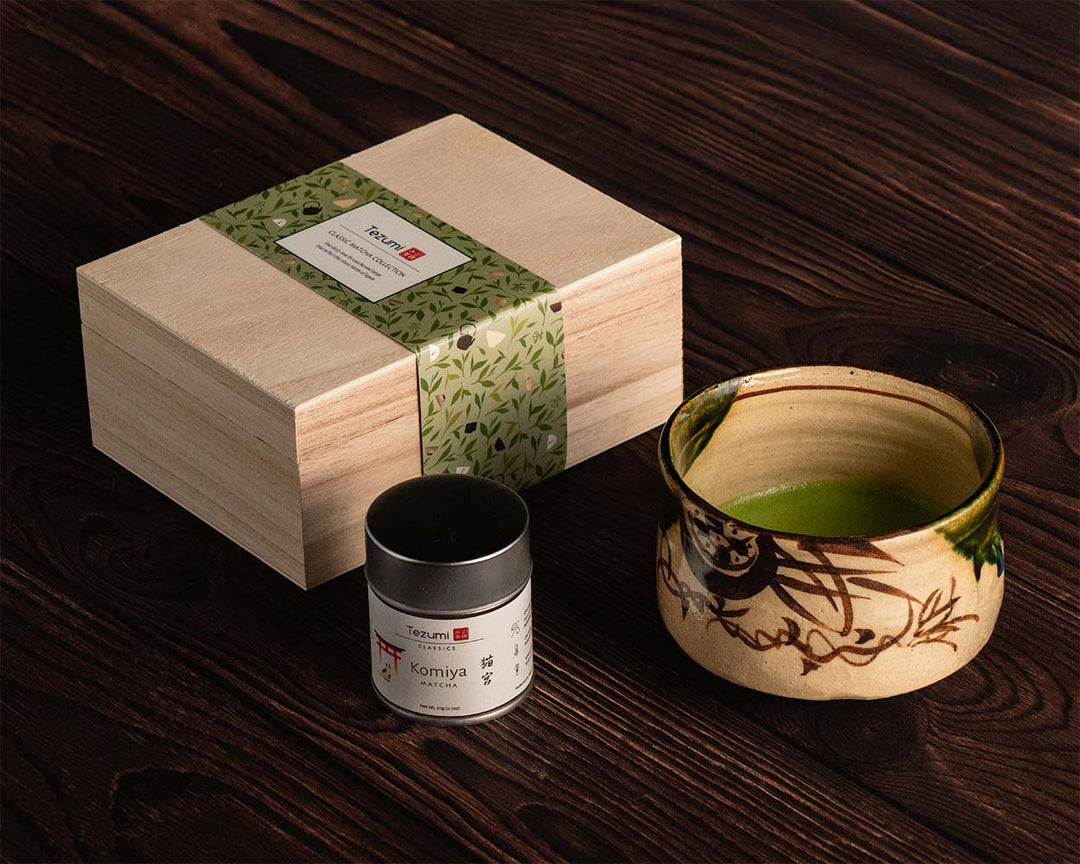
For Indonesian travelers, souvenirs from Japan are an essential part of the travel experience. Tea products such as:
- Matcha tea bags from airport souvenir shops (often processed with questionable additives)
- Ocha powder from supermarkets (potentially cross-contaminated)
- Tea-flavored candies from convenience stores (likely containing gelatin or alcohol-based flavors)
These items appear practical, popular, and “safe.” However, few realize these products are often not halal-certified and may have undergone processes that don’t meet international halal standards.
This reveals a significant gap between Muslim consumer expectations and industry reality.
Industry Response: Japan’s Slow Awakening
While not yet widespread, some producers are beginning to respond to this need:
- Marukyu Koyamaen, a matcha producer from Uji, Kyoto, has obtained halal certification from the Japan Halal Association—a groundbreaking move in the traditional tea industry.
- Online stores like Sazen Tea have started providing halal-certified tea products with international shipping, recognizing the global Muslim market.
- Tea producers in Shizuoka and Kagoshima, Japan’s two largest tea centers are exploring halal tea exports to Muslim countries, though progress remains frustratingly slow.
However, these products aren’t yet widely available in general retail stores or airports—precisely where Indonesian tourists make most of their purchases.
Why This Matters More Than You Think
1. Spiritual Compliance in a Globalized World
Ensuring souvenirs brought home are free from questionable elements is part of personal and spiritual responsibility. Your choice of tea could impact not just your own faith compliance, but also that of everyone you share it with.
2. Consumer Rights and Protection
Claims of “natural” or “green tea” are often misunderstood as “halal,” when the two concepts are not identical. Consumers deserve transparent and accurate information. The right to know what you’re consuming shouldn’t be a luxury.
3. Market Power for Change
When travelers only purchase halal-certified products, this creates market pressure for more Japanese producers to invest in certification processes. Your wallet is your vote for a more inclusive industry.
The Path Forward: Building Bridges Through Conscious Consumption
The enthusiasm of Indonesian Muslim travelers toward Japanese tea, especially ocha and matcha—demonstrates the enormous potential of these products in building cultural bridges between nations. However, this potential must be balanced with awareness of halal responsibility, particularly when tea becomes a souvenir consumed by many people.
The halal status of tea cannot be judged solely by its plant origin, but must consider the entire process: from additives and processing to packaging. The Japanese tea industry needs to open itself to these needs, while Indonesian travelers can play an active role as intelligent consumers driving a better global halal ecosystem.
Conclusion
As Muslim travelers continue to explore Japan’s rich tea culture, the question isn’t whether to enjoy these experiences—it’s how to do so responsibly. Every purchase is a vote for the kind of industry you want to see.
Choose wisely, ask questions, and remember that perfect Instagram shot of matcha latte might come with more than you bargained for. The future of halal tea in Japan depends on informed consumers who refuse to compromise their values for convenience.
References
Hasnan, N., & Kohda, Y. (2023). Understanding Halal Supply Chain Challenges in Japan: A Perspective from Halal Certification Bodies. Proceedings of the International Conference on Industrial Engineering and Operations Management.
Kodir, M. A., Gunawan, S., & Haryanto, A. T. (2022). Fenomena Muslim Traveler dan Tuntutan Wisata Halal: Studi Kasus Jepang. Islam Realitas: Journal of Islamic and Social Studies, 8(2), 201–215.
Marukyu Koyamaen Co., Ltd. (2023). Halal Certification Announcement.
NPO Japan Halal Association. (2024). List of Halal Certified Companies and Products.
Suswanta, S., Rukmana, D., & Yulianto, V. (2023). Comparative Study of Halal Tourism Policy in Indonesia, Japan, and Thailand. Proceedings of the International Conference on Social and Political Science, 125, 45–53. Atlantis Press.
The Journal of Human Rights, Culture and Legal System. (2024). The Effectiveness of Accelerating Halal Product Certification: Regulations and Companions, 4(2), 134–145.