Calls to develop halal product ecosystem
From The Star Online | 9 April, 2025
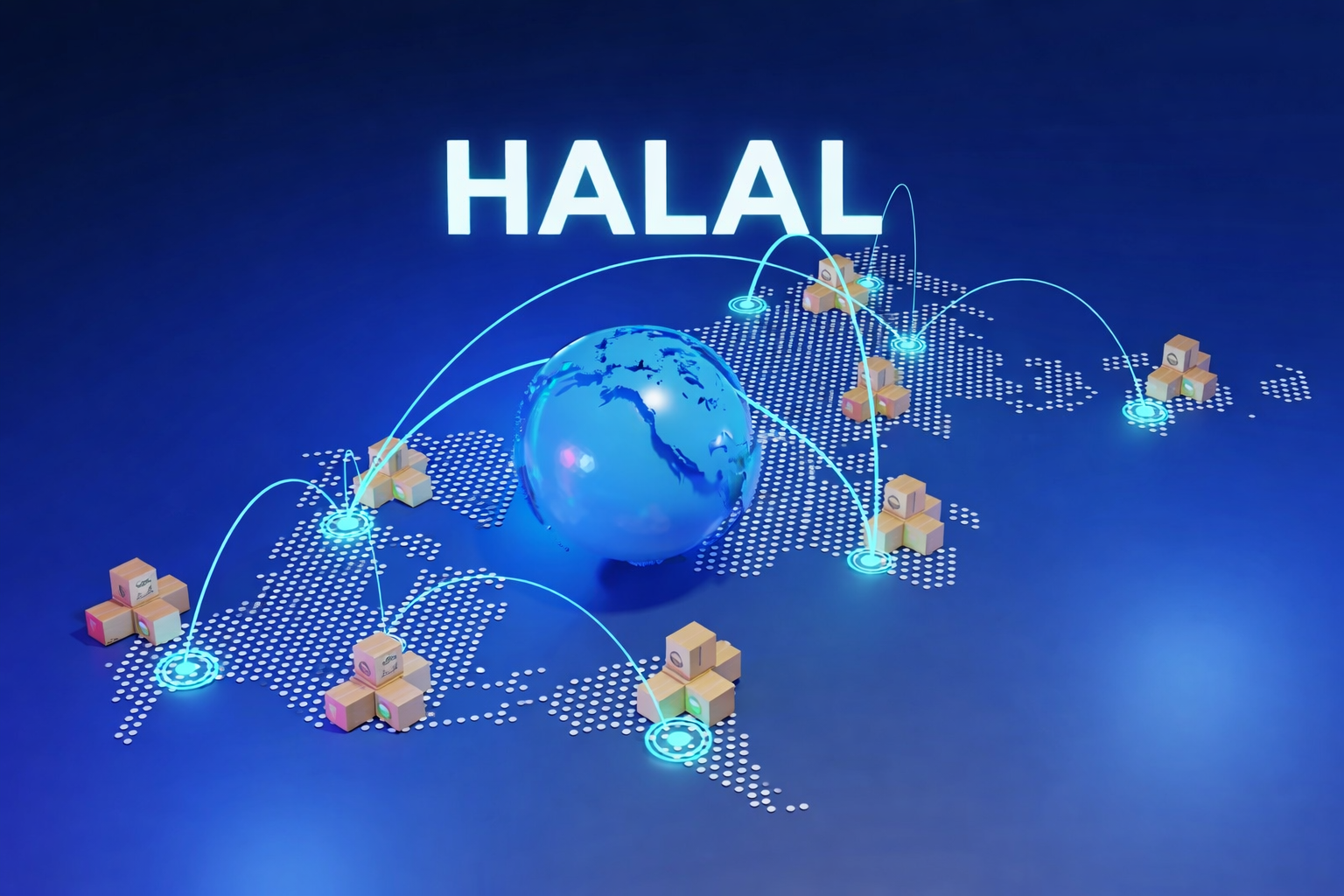
HANOI: To tap into the growing halal market, Vietnam must develop an halal product ecosystem that meets international quality and certification standards, say experts.
Ramlan Osman, director of the National Halal Certification Centre that falls under the Science and Technology Ministry, said that Vietnam has an opportunity to tap into the global halal market, which is valued at around US$3 trillion.
He pointed out that the country boasts a wealth of raw materials suitable for halal production, including coffee, rice, seafood, aquaculture products, spices, nuts, vegetables and fruits.
These commodities hold significant promise for producing halal-certified products, he said.
Additionally, Vietnam has been recognised as a top international tourist destination, a distinction earned in 2018.
This has further strengthened the country’s accommodation and food service sectors, with halal restaurants and catering services seeing a rise in demand.
Vietnam’s gross domestic product growth rate, averaging between 6% and 7% annually, further underscored the country’s strong economic potential, making it a favourable market for halal product development.
Osman said that current supply has met just 10% of demand in the potentially high-value halal market. This is a golden opportunity for Vietnamese products to find their place in this vast market, he added.
Deputy Minister of Industry and Trade Nguyen Sinh Nhat Tan affirmed that penetrating the halal market would be a strategic move for Vietnamese businesses, especially amid the unpredictable global economic landscape.
He urged businesses to focus on strengthening their halal product brands and extend their market reach.
To achieve this, the Deputy Minister called for the establishment of networks to promote Vietnamese halal products to key markets, with clear goals and actionable strategies.
However, an obstacle to expanding Vietnam’s halal product line lies in certification.
Tran Trong Kim, head of the Vietnam Trade Office in Saudi Arabia, recommended that the government implement clear guidelines on halal certification procedures. He said that many countries do not directly recognise halal products from businesses, but instead require third-party certification.
Thus, creating a more efficient process for mutual recognition of halal certification would aid in smoothening market entry for Vietnamese businesses.
Additionally, Kim suggested that Vietnam call on foreign investors to establish facilities in Vietnam to produce halal products, meeting international standards.
Meanwhile, local businesses also need to invest in production processes tailored to halal standards in collaboration with recognised halal certification bodies, he said.
According to Truong Xuan Trung, head of the Vietnam Trade Office in the United Arab Emirates (UAE), there is a need to further develop the legal framework surrounding halal products in Vietnam.
He suggested that the newly signed Vietnam-UAE Comprehensive Economic Partnership Agreement could play a crucial role in facilitating trade between the two territories, especially for halal-certified goods.
Tran Van Hiep, vice-chairman of the Vietnam Cashew Association, also highlighted that halal certification is crucial for exporting high-quality products like cashews.
In 2024, Vietnam exported 700,000 tonnes of cashew nuts valued at US$3.8bil. With halal certification, a large volume of Vietnamese cashews were exported to many key markets such as the United States, Europe, Australia and the Middle East.
For cashew producers, ensuring all exported products have halal certification is essential to meeting the demands of these regions.
The halal market has significant demand, especially in countries with large Muslim populations, but certification standards can be challenging for businesses.
Le Phu Cuong, head of the Vietnam Trade Office in Malaysia, pointed out that while halal certification is not mandatory for imports into Malaysia, it is highly prioritised by importers and distributors to cater to the local Muslim population, which is in the majority.
In addition to technical barriers, Vietnamese goods also face fierce competition from countries in the region that have signed free trade agreements with Malaysia, such as China, Thailand and Indonesia.
These countries have advantages in terms of a wide range of products, diverse designs, extensive distribution systems and a deep understanding of the Muslim consumer market.
Another challenge many Vietnamese businesses face is to research local tastes and consumer cultures, aimed at suitable products for local customers.
This makes it difficult for Vietnamese products to reach, particularly in modern retail channels.
Pham The Cuong, head of Vietnam Trade Office in Indonesia, noted that halal certification in Indonesia is often seen as a non-tariff barrier due to lengthy procedures, high costs and limited certification agencies.
This complex process presents challenges, especially for small and medium-sized enterprises, and can slow down the entry of Vietnamese products into the Indonesian market. — Viet Nam News/ANN
Source:
The Star Online (2025). Calls to develop halal product ecosystem. The Star. https://www.thestar.com.my/business/business-news/2025/04/09/calls-to-develop-halalproduct-ecosystem