U.S. Concerns Over Indonesia’s Halal Policy
Spotlight on Indonesia’s Halal Policy
Indonesia’s halal product policy is currently facing scrutiny after the United States criticized it as a non-tariff trade barrier. This situation has created a complex dilemma, balancing consumer protection for Muslim citizens with international trade relations.
Importance of Halal Certification in Indonesia
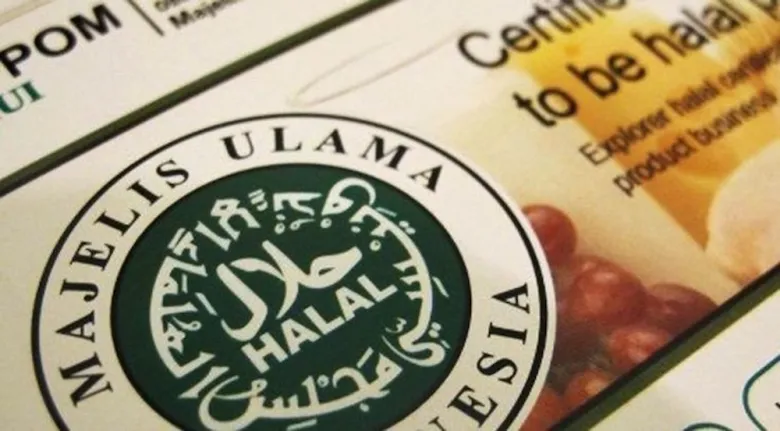
As a predominantly Muslim nation, Indonesia places great importance on halal certification. The government views this certification as essential for protecting consumers and ensuring legal clarity.
According to Government Regulation No. 42 of 2024, which updates Law No. 33 of 2014, all products sold in Indonesia must be halal certified unless they contain haram (forbidden) substances, which must be clearly labeled as “non-halal.” This regulation covers every aspect of the product lifecycle, from sourcing materials to processing, storage, and distribution.
To maintain high standards, the government mandates that halal production facilities be physically separated from non-halal ones and follow distinct operational procedures. The Halal Product Assurance System (SJPH) is in place to ensure that these processes are consistently monitored by the Halal Product Assurance Agency (BPJPH). The goal is to build consumer trust and encourage businesses to adhere to Sharia principles in their production practices.
U.S. Perspective: Complexity and Barriers
In contrast, the U.S. Trade Representative (USTR) views Indonesia’s halal policy as a significant barrier to foreign products entering the market. In its 2025 Trade Barriers Report, the U.S. criticized the halal regulatory process for being opaque and lacking public input. Several regulations, including Ministry of Religious Affairs Decree No. 748/2021 and Decree No. 816/2024, were implemented without prior notification to the World Trade Organization (WTO).
The U.S. also finds the accreditation process for foreign halal certification bodies to be overly complicated and burdensome. The BPJPH requires extensive documentation, strict ratios of halal auditors, and mutual recognition agreements (MRA), which can increase costs and extend timelines for U.S. exporters, particularly in the food, cosmetics, and pharmaceutical industries.
Tensions at the WTO
The U.S. has raised these concerns multiple times in WTO discussions, particularly within the Technical Barriers to Trade (TBT) Committee. They argue that Indonesia is not fulfilling its commitment to notify the WTO about regulations that could impact trade. While the U.S. acknowledges the importance of a halal system, they warn that excessive bureaucracy and discriminatory practices can obstruct fair trade.
On the other hand, Indonesia maintains that its regulations are domestic and non-discriminatory, applying equally to all businesses, whether local or foreign.
The Need for Open Dialogue
This disagreement underscores the necessity for open communication between trading partners. Indonesia must work on enhancing the transparency and efficiency of its halal certification system to dispel any perceptions of discrimination. At the same time, the U.S. and other nations should respect Indonesia’s right to establish policies that align with its cultural values and domestic priorities.
Finding a balance between consumer protection and international trade interests is crucial for fostering a cooperative relationship between Indonesia and the U.S.
Original Article:
Tempo.co. (2025, April 25). U.S. complaint over Indonesia’s halal policy creates conundrum. Tempo. https://en.tempo.co/read/2000593/u-s-complaint-over-indonesias-halal-policy-creates-conundrum