IFANCA: Shaping the Future of Global Halal Standards
Source: Halal Times
Kawaguchiko, Japan – Have you ever paused while shopping, carefully examining product labels for a symbol that confirms your religious dietary needs are met? For countless Muslims worldwide, the Crescent-M logo represents exactly that assurance. Since its founding in 1982, the Islamic Food and Nutrition Council of America (IFANCA) has transcended its role as a simple certification body to become a global pioneer merging Islamic principles, scientific rigor, and consumer trust in the expanding $2 trillion halal industry.
From Humble Origins to Global Leadership
In the early 1980s, American Muslims faced a significant challenge: finding genuinely halal products in a market with no standardized certification system. Recognizing this need, a coalition of Muslim scholars, scientists, and community advocates established IFANCA in Chicago with a clear purpose—to create reliable halal standards that consumers could trust.
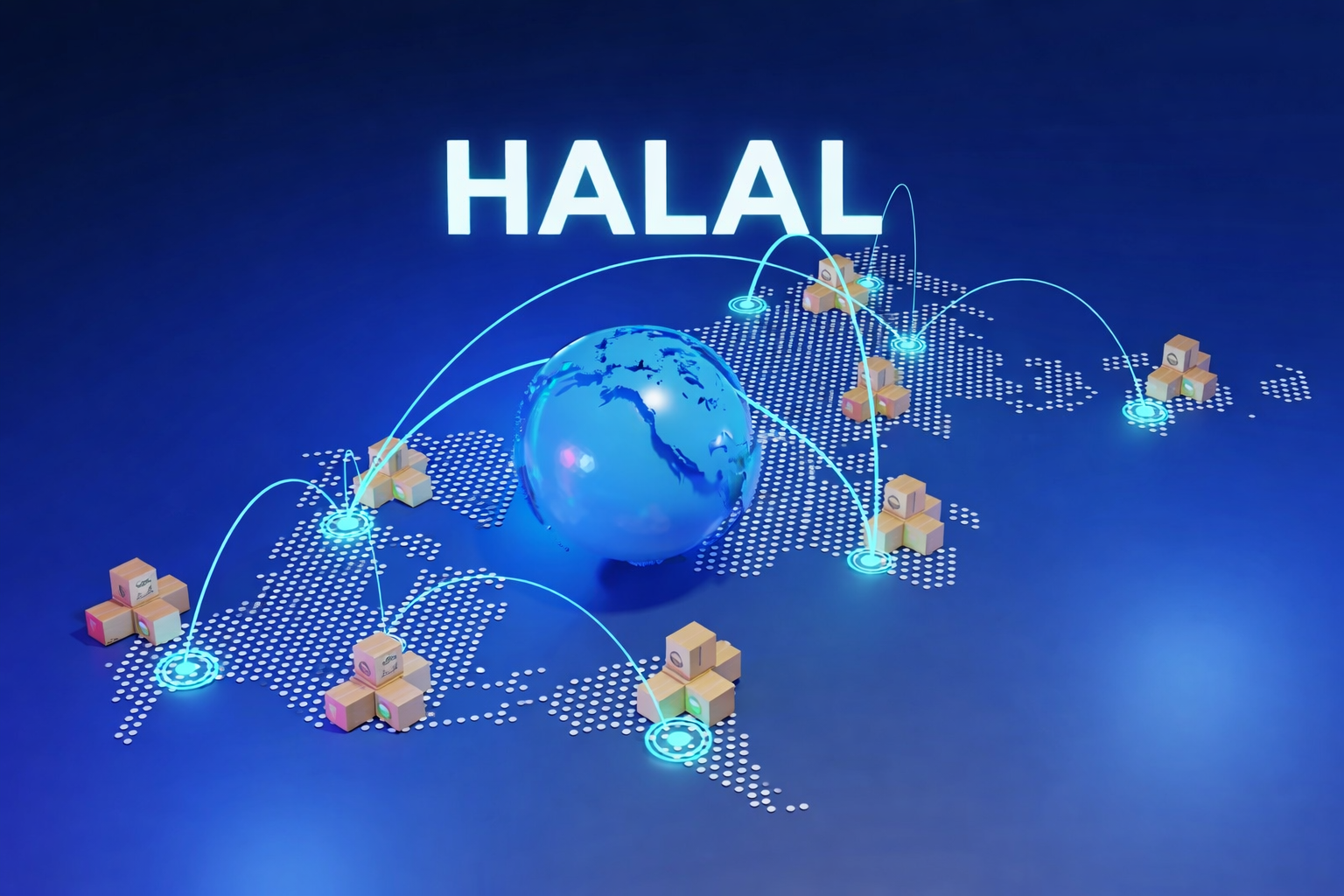
What began as a modest nonprofit initiative has blossomed into an international authority, now certifying more than 20,000 products across 75 countries. Today, industry giants like Nestlé, Tyson Foods, and Unilever rely on IFANCA’s expertise to reach Muslim consumers with confidence.
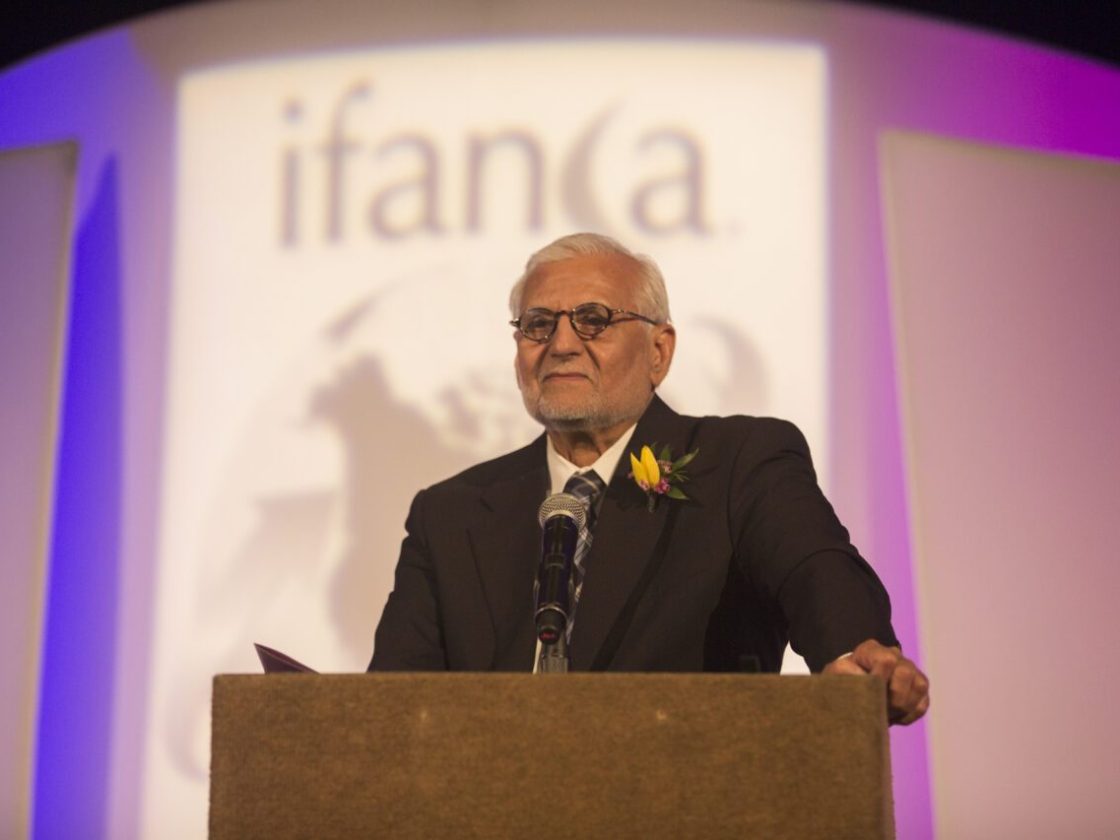
“Our fundamental mission is enabling Muslims to embrace their faith fully through accessible halal options,” explains Dr. Muhammad Munir Chaudry, IFANCA’s president. “But equally important is our role as cultural bridge-builders, demonstrating that halal principles represent universal values of quality, ethical production, and inclusivity.”
The Certification Process: Science Meets Faith
IFANCA’s certification methodology combines religious scholarship with scientific precision. Their multidisciplinary teams—including Islamic scholars, food scientists, and compliance auditors—examine every aspect of the supply chain with meticulous attention to detail.
For meat products, this means verifying animals receive no prohibited feed, confirming proper hand slaughter by Muslim practitioners who recite the required prayers, and ensuring facilities prevent cross-contamination. When assessing processed foods, cosmetics, or pharmaceuticals, experts analyze ingredient lists for problematic components like gelatin, alcohol-derived additives, or certain emulsifiers that might violate halal principles.
This rigorous process continues well beyond initial approval. IFANCA maintains ongoing supervision through regular facility inspections, product testing, and advanced laboratory analysis—including DNA testing to detect trace contaminants. While certification requires significant investment of time and resources, the resulting Crescent-M logo has earned worldwide recognition as a mark of impeccable standards.
“That logo gives me immediate peace of mind,” says Amir Rahman, a graduate student in Boston. “In today’s complex food system, having experts who’ve already verified halal compliance makes daily life so much more manageable.”
Beyond the Dining Table: Halal as a Lifestyle
While food certification remains IFANCA’s core service, the organization has expanded its scope to address halal compliance across diverse product categories. Many consumers don’t realize that cosmetics containing carmine (derived from insects) or pharmaceuticals with pork-based gelatin capsules present halal concerns. IFANCA’s certification now covers personal care products, supplements, vaccines, and even packaging materials—some of which contain animal-derived adhesives.
In 2021, IFANCA made headlines through its partnership with UNICEF and Gavi to certify COVID-19 vaccines, addressing vaccine hesitancy among Muslim communities concerned about potential non-halal ingredients. The initiative demonstrated how halal certification can serve broader public health objectives.
“Living halal encompasses every aspect of consumer choice,” notes Saira Khan, IFANCA’s innovation director. “As markets evolve to include halal tourism, financial services, and e-commerce platforms, we’re developing frameworks to ensure compliance across these emerging sectors.”
Education and Advocacy: Building Knowledge Communities
IFANCA recognizes that certification alone isn’t enough—informed consumers and businesses are essential to the halal ecosystem. The organization publishes Halal Consumer magazine in print and digital formats, translating complex certification topics into accessible guidance. Their educational initiatives include industry workshops, consumer seminars, and international conferences from North America to Southeast Asia.
Social media channels and digital content make halal knowledge accessible to younger generations. “I learned through IFANCA’s TikTok that many fruit-flavored candies contain non-halal ingredients,” mentions Layla, a high school student from Toronto. “Their content helps me make informed choices without feeling overwhelmed.”
Beyond education, IFANCA advocates for standardization and transparency. The organization collaborates with international bodies like Malaysia’s JAKIM and the UAE’s halal authorities to harmonize global standards. In the United States, where halal certification lacks federal regulation, IFANCA works with agencies like the USDA and FDA to improve consumer protections.
Innovation drives IFANCA’s latest initiatives, including a 2023 blockchain project allowing consumers to scan QR codes and trace their halal products from source to shelf. “We’re not just responding to market needs,” Dr. Chaudry emphasizes. “We’re actively shaping best practices for the industry’s future.”
Global Reach with Community Roots
While IFANCA maintains headquarters in Chicago, its network spans 14 international offices from Vancouver to Jakarta. This global footprint enables the organization to train thousands of food industry professionals annually and help businesses navigate diverse market requirements. With the halal economy projected to reach $3 trillion by 2028, major retailers and food service providers increasingly recognize the Crescent-M as a valuable market differentiator.
Despite this international growth, IFANCA maintains deep community connections through mosque outreach programs, educational partnerships with Islamic schools, and charitable initiatives like providing halal meals during Ramadan. The organization’s scholarship program supports Muslim students pursuing food science careers, nurturing future industry leaders.
“What distinguishes IFANCA is their authentic commitment to community values,” observes Dr. Amina Farooq, a food scientist who collaborates with the organization. “Their decisions consistently prioritize integrity over commercial interests.”
Challenges and Innovations
IFANCA faces ongoing challenges in its mission. Certification costs can create barriers for small producers, particularly in developing economies. The organization has responded with sliding-scale fees and technical assistance programs for small businesses. Fraudulent certification and “halal-washing”—when companies make unsubstantiated halal claims—threaten consumer trust. IFANCA combats these practices through consumer alerts, education campaigns, and legal action against counterfeiters.
Regional differences in halal interpretation present another complexity. IFANCA navigates these variations by hosting international dialogue forums aimed at building consensus while respecting diverse Islamic traditions.
Looking forward, IFANCA is embracing technological transformation. The organization is developing AI systems to enhance audit efficiency, digital platforms to improve certification transparency, and research initiatives exploring halal applications in novel food technologies like cellular agriculture.
Why IFANCA Matters to Everyone
IFANCA’s influence extends far beyond Muslim consumers. For businesses, the Crescent-M opens doors to a rapidly growing market segment. For regulatory bodies, IFANCA’s standards provide valuable frameworks for consumer protection. For general consumers, halal certification often signals attention to quality, ethical sourcing, and production integrity.
The IFANCA story represents how faith-based principles can drive innovation and market transformation. By turning ancient dietary laws into modern quality assurance systems, the organization demonstrates how religious values can constructively engage with scientific advancement and commercial realities.
When you next notice the Crescent-M logo on a product, recognize it as more than a certification mark—it’s the result of four decades of dedicated work bridging faith and science, tradition and innovation, in service to consumers seeking to live according to their values in today’s complex marketplace.
Original Articles:
halaltimes.com. (n.d.). IFANCA: Pioneering Trust and Innovation in the Global Halal Industry. Retrieved April 30, 2025, from https://www.halaltimes.com/ifanca-pioneering-trust-and-innovation-in-the-global-halal-industry/