Global Halal Market Reaches £1.77 Trillion as Muslim Consumers Drive Ethical Shopping Revolution
The global halal market reached £1.77 trillion in 2023, representing a 5.5% increase from the previous year, according to Dinar Standard’s latest report on the Islamic economy. This growth occurred despite worldwide challenges including inflation and supply chain disruptions from various conflicts.
The report also highlighted that Islamic finance assets totaled £3.6 trillion, showing 9.2% growth from 2022. In terms of country rankings, the UK moved up one position to 14th place on the Global Islamic Economy Indicator, while Malaysia maintained its top position. These rankings consider six key sectors: Islamic finance, halal food, Muslim-friendly travel, modest clothing, media and recreation, and halal pharmaceuticals and cosmetics.
The Rise of Ethical Consumerism
A significant trend identified in the report is the rise of “ethical consumerism” among Muslim consumers starting in 2024, largely driven by Israel’s military actions in Gaza and increased examination of multinational corporations. This shift led to boycotts affecting major brands like Nestlé, McDonald’s, and Coca-Cola, while smaller, local companies benefited by offering alternatives.
The beverage industry exemplified this trend, with Coca-Cola and Pepsi experiencing stagnant or declining sales in Muslim-majority regions, while alternative brands like Egypt’s V7 and Pakistan’s Cola Next saw increased demand. V7, for instance, tripled its exports to Middle Eastern countries in 2024.
Gaza Cola: A Symbol of Consumer Choice

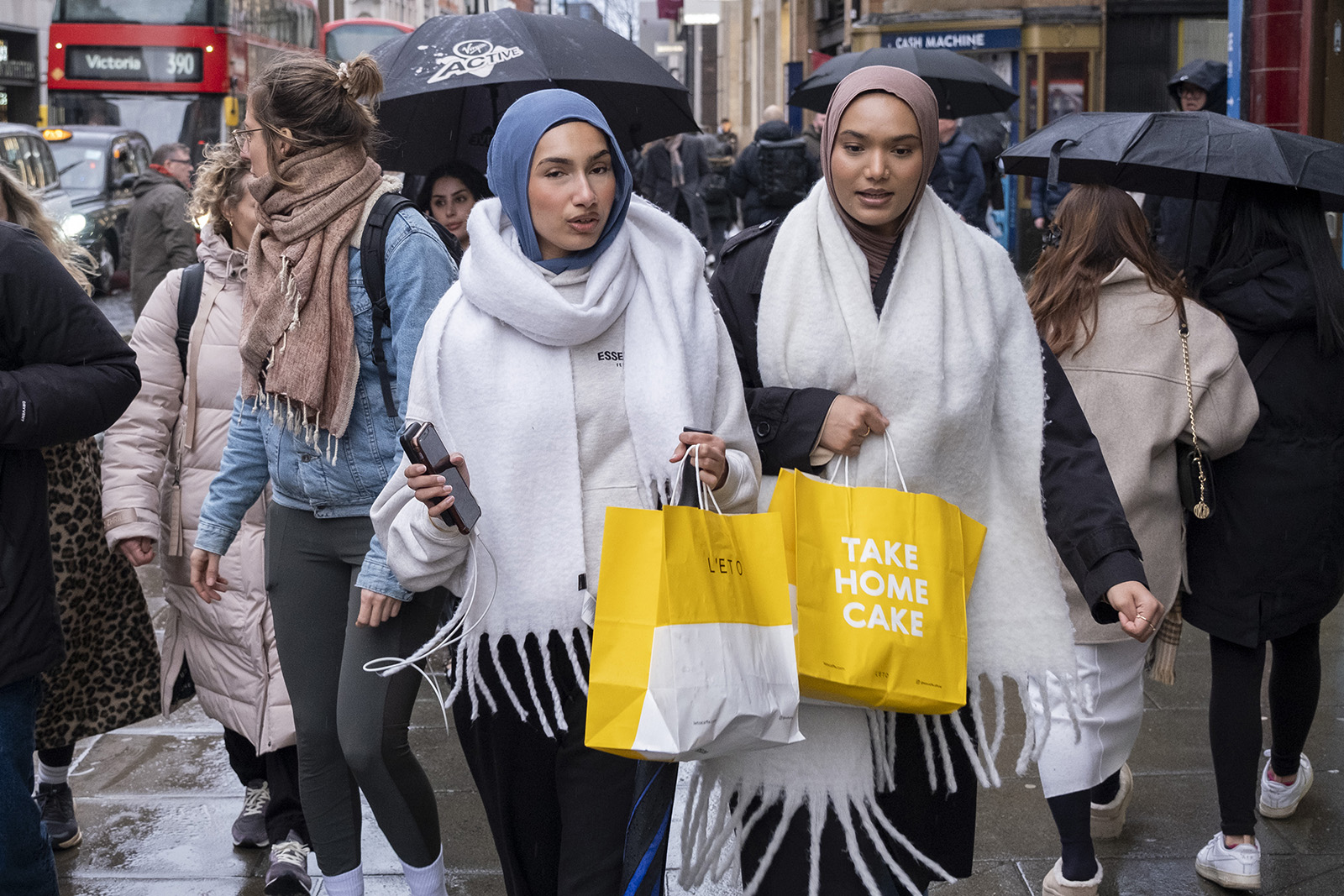
(Photo by: Getty Images)
A notable example is Gaza Cola, created by UK-based filmmaker Osama Qashoo to fund the reconstruction of al Karama hospital in northern Gaza. The brand sold over 500,000 cans by the end of 2024 and gained international distribution through Italian supermarket chain Coop Alleanza 3.0.
“Gaza Cola was conceived from a need to offer people a choice — a choice that championed life opposed to death,” Qashoo said in a mission statement. “The global success of Gaza Cola took me by surprise.”
Beyond Religious Boundaries
The report emphasizes that ethical concerns among Muslim consumers extend beyond the Gaza conflict, and that Islamic-compliant products increasingly appeal to non-Muslim consumers as well. This crossover appeal stems from Islamic values aligning with broader principles like sustainability and ethical consumption, with halal products being associated with food safety and health standards.
“Many Islamic values underlying various sectors of the Islamic economy have a wider appeal, resonating with universal principles such as sustainability and ethical consumption. Halal products are increasingly associated with food safety, hygiene, and health,” the report states.
Future Growth Projections
The cosmetics sector, though currently representing only 6.3% of the global Islamic economy, is expected to grow significantly. Dinar Standard forecasts that Muslim spending on cosmetics will exceed £86 billion by 2028, driven by younger consumers’ preference for ethical brands and the universal appeal of halal beauty products.
This growth trajectory suggests that the Islamic economy’s influence will continue expanding beyond traditional Muslim markets, as ethical consumption becomes a priority for consumers worldwide, regardless of their religious background.
Original Article:
Hyphen. (2025, July 10). State of the Global Islamic Economy: DinarStandard Report 2024/25. Hyphen Online. https://hyphenonline.com/2025/07/09/state-global-islamic-economy-dinar-standard-report-2024-25/