Rising Islamic Finance: Sukuk Bonds Gain Momentum Across African Nations
Introduction to Sukuk Growth in Africa
Islamic financial instruments, particularly sukuk bonds, are experiencing unprecedented growth across African markets as governments seek alternative funding mechanisms for infrastructure and development projects. These sharia-compliant debt certificates, which provide returns to investors without traditional interest payments, have emerged as a significant component of public financing strategies for major African economies. The instrument represents a fundamental shift from conventional Western bond structures, with issuers selling certificates to investor groups and using proceeds to purchase assets that generate returns for certificate holders.
Understanding Sukuk as Financial Instruments
Sukuk operates as an Islamic equivalent to conventional bonds while adhering to sharia religious principles that prohibit interest-based transactions. The structure involves creating trust certificates that represent ownership in underlying assets rather than debt obligations. This approach allows Muslim-majority populations and sharia-compliant investors to participate in government financing while maintaining religious observance. The instrument has become particularly relevant for developing nations seeking to diversify their investor base and access alternative funding sources beyond traditional Western capital markets.
Egypt’s Strategic Sukuk Implementation
Egypt has demonstrated significant progress in sukuk utilization, successfully raising one billion dollars through a three-year leasing sukuk at the end of June 2025. The issuance offered a 7.875% annual return rate with semi-annual payments, representing a unique approach to sovereign fundraising. The transaction was entirely underwritten by Kuwait Finance House through private placement, eliminating costs associated with investor roadshows, credit ratings, and stock exchange listings. This streamlined approach reflects Egypt’s growing sophistication in Islamic finance markets.
The Egyptian government has established a comprehensive five billion dollar Trust Certificate Issuance Programme, with plans to issue multiple sukuk tranches over the next three years. Finance Minister Ahmed Kouchouk emphasized that these issuances occur during a period of economic improvement despite regional challenges from Middle Eastern conflicts. The proceeds specifically target gaps in the 2024/25 national budget while supporting the Ministry of Finance’s commitment to reducing external debt for budget entities by one to two billion dollars annually.
Nigeria’s Domestic Sukuk Market Development
– Infrastructure-Focused Approach
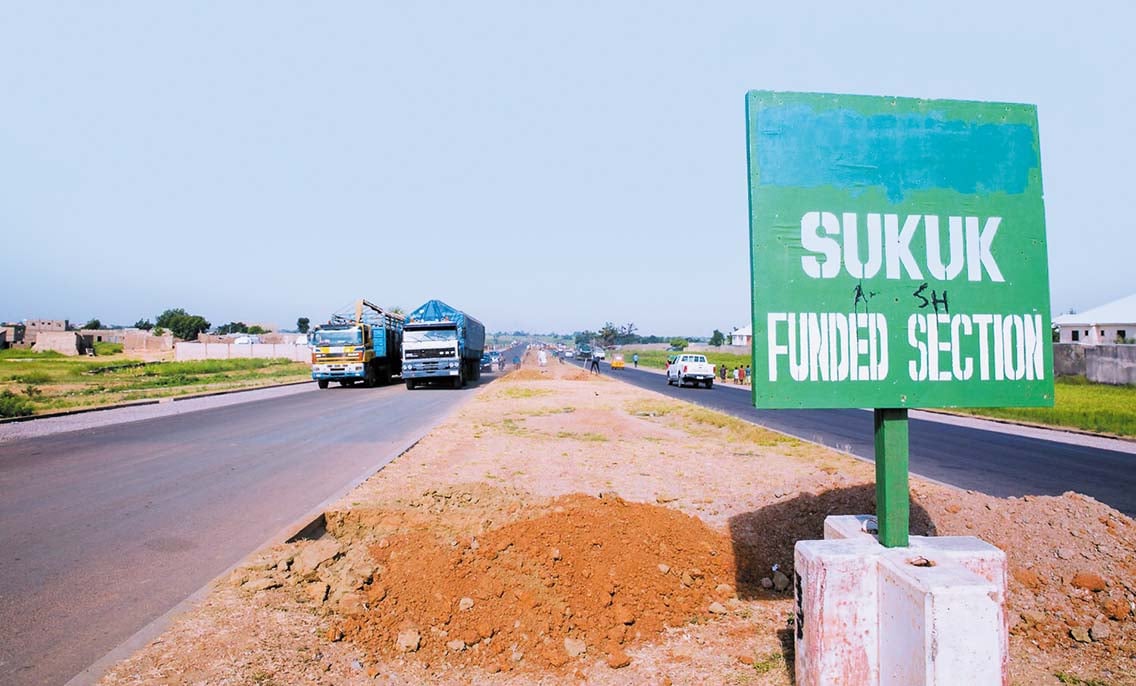
Nigeria has adopted a distinctly domestic approach to sukuk issuance, maintaining naira-denominated offerings exclusively linked to infrastructure development projects. The Federal Government has ring-fenced sukuk proceeds for building and rehabilitating 44 arterial roads and bridges across the country’s six geopolitical zones and Federal Capital Territory. In May 2025, Nigeria issued its seventh sukuk, raising 300 billion naira (approximately 190 million dollars) through a seven-year leasing sukuk with a 19.75% fixed rental rate.
– Remarkable Market Response
The seventh Nigerian sukuk issuance achieved extraordinary market success with 735% oversubscription, receiving subscriptions totaling over 2.205 trillion naira (1.41 billion dollars). This overwhelming response demonstrates strong domestic investor appetite for ethical investment instruments since the programme’s introduction in 2017. The subscription base included diverse segments ranging from retail investors to non-interest banks, conventional financial institutions, pension funds, and asset management companies, reflecting successful financial inclusion objectives.
– Economic Impact and Infrastructure Development
Nigeria’s sukuk programme has generated tangible economic benefits through improved road infrastructure and timely project completion. The Debt Management Office reports enhanced road safety, reduced travel times, and faster goods movement between major commercial centers. The certificates trade on both the Nigerian Exchange Limited and FMDQ Securities Exchange Limited, providing additional liquidity opportunities. To date, Nigeria has raised 1.392.5 billion naira (892.46 million dollars) through seven sukuk issuances, directly supporting infrastructure development under the President’s Renewed Hope Agenda.
Emerging Markets and Future Prospects
– Algeria’s Maiden Entry
Algeria represents a significant new entrant to the sukuk market despite being a founding member of the Islamic Development Bank with its 27 African member states. The government has approved a debut sovereign sukuk under the 2025 Finance Law and established a comprehensive Sukuk Issuance Framework. The planned issuance, denominated in Algerian dinars, aims to launch in the third quarter of 2025 to complement national budget funding needs while attracting foreign investors and diversifying funding sources.
– Morocco’s Continued Participation
Morocco is preparing to issue its second sovereign sukuk in the second half of 2025, building on its successful debut five-year sukuk from 2018 that raised one billion dirhams (approximately 110 million dollars). The Kingdom’s return to sukuk markets indicates sustained confidence in Islamic finance instruments for sovereign funding requirements and suggests growing regional acceptance of sharia-compliant financing mechanisms.
Strategic Implications and Market Evolution
The expansion of sukuk adoption across major African economies reflects a broader shift toward diversified funding strategies and financial inclusion objectives. These instruments enable governments to access previously untapped investor segments while maintaining religious compliance requirements. The success of domestic programmes, particularly Nigeria’s infrastructure-focused approach, demonstrates potential for scaling sukuk issuances to include private sector participation and sub-national government entities. The evolution from simple debt instruments to comprehensive development financing tools suggests sukuk will continue playing an increasingly important role in African capital market development and infrastructure financing strategies.
Original Article:
African Business. (2025, August 10). Rising Islamic finance: Sukuk bonds gain momentum across African nations.https://african.business/2025/08/african-banker/sukuk-popularity-growing-in-africa