Egypt Abandons Mandatory Halal Requirements for British Dairy Imports
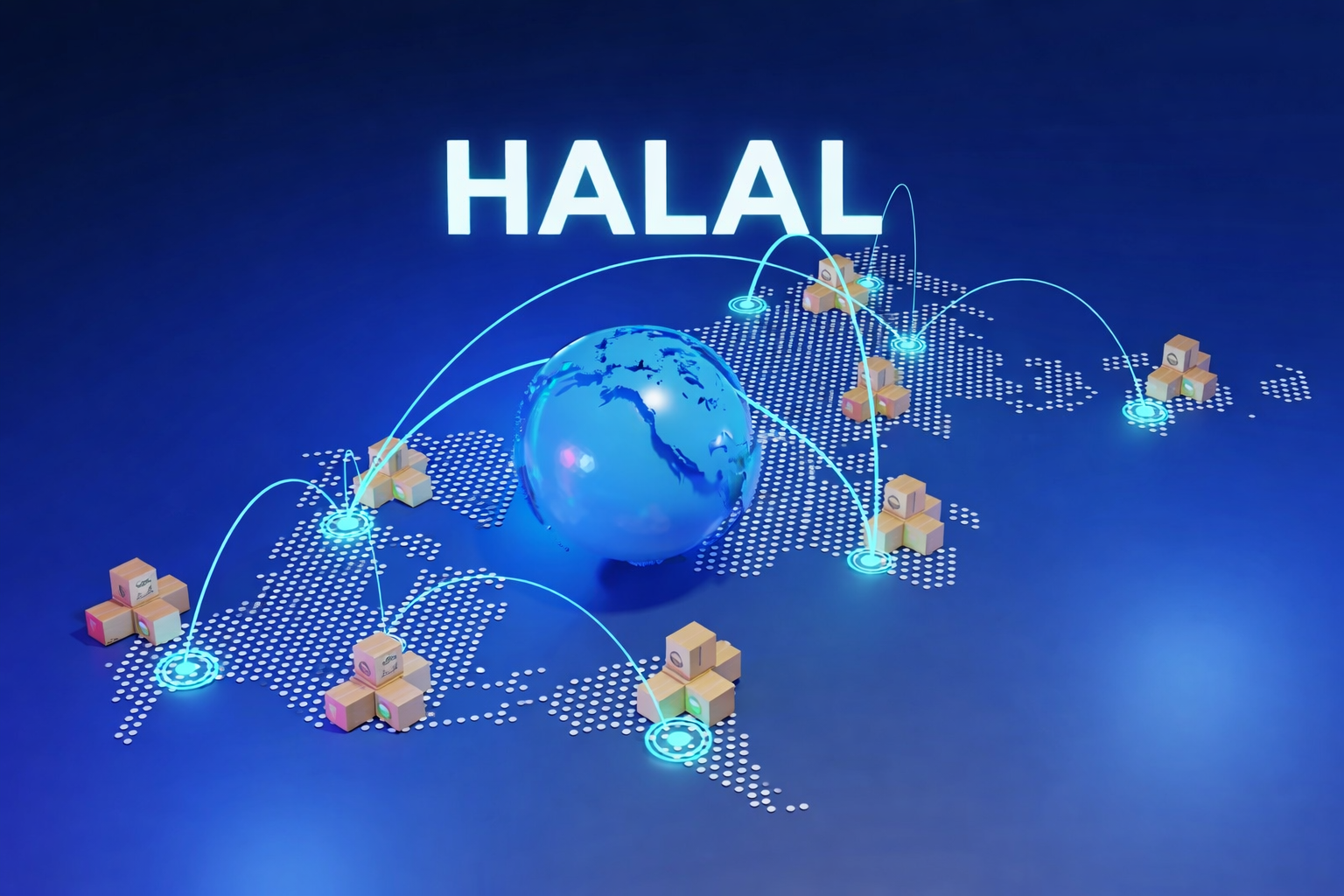
JAKARTA – Egypt has reversed its decision to implement mandatory halal certification requirements for all United Kingdom dairy exports, following successful diplomatic negotiations that have preserved significant trade opportunities for British farmers and producers. The policy reversal, announced recently, eliminates what would have been costly barriers to a valuable export market worth millions of pounds annually.
Original Requirements Would Have Created Substantial Trade Barriers
The Egyptian government had initially planned to introduce comprehensive halal certification mandates for all UK dairy imports beginning in January 2025. These requirements would have imposed approximately £1,000 in additional costs per shipment, creating substantial financial burdens for British exporters while potentially disrupting established trade relationships.
The proposed regulations would have required extensive documentation and certification processes to verify that all dairy products complied with Islamic dietary laws. For many British dairy producers, particularly smaller operations, these additional costs and administrative requirements could have made Egyptian exports economically unviable.
The timing of these proposed changes coincided with broader global trade uncertainties, making the preservation of existing export markets particularly crucial for UK agricultural sectors seeking stability and growth opportunities.
Diplomatic Engagement Yields Positive Outcome
The successful resolution emerged through sustained dialogue between UK government officials and their Egyptian counterparts. These discussions emphasized the strong quality standards already maintained by British dairy producers and the potential negative impact of additional certification barriers on bilateral trade relationships.
UK trade officials worked to demonstrate that British dairy products already meet high quality, welfare, and sustainability standards that align with consumer expectations in international markets. This approach helped Egyptian authorities understand that additional certification layers might not provide meaningful benefits while creating unnecessary trade friction.
The diplomatic success reflects broader UK government efforts to maintain and expand international market access for British agricultural products during a period of evolving global trade dynamics.
Significant Economic Impact for British Dairy Sector
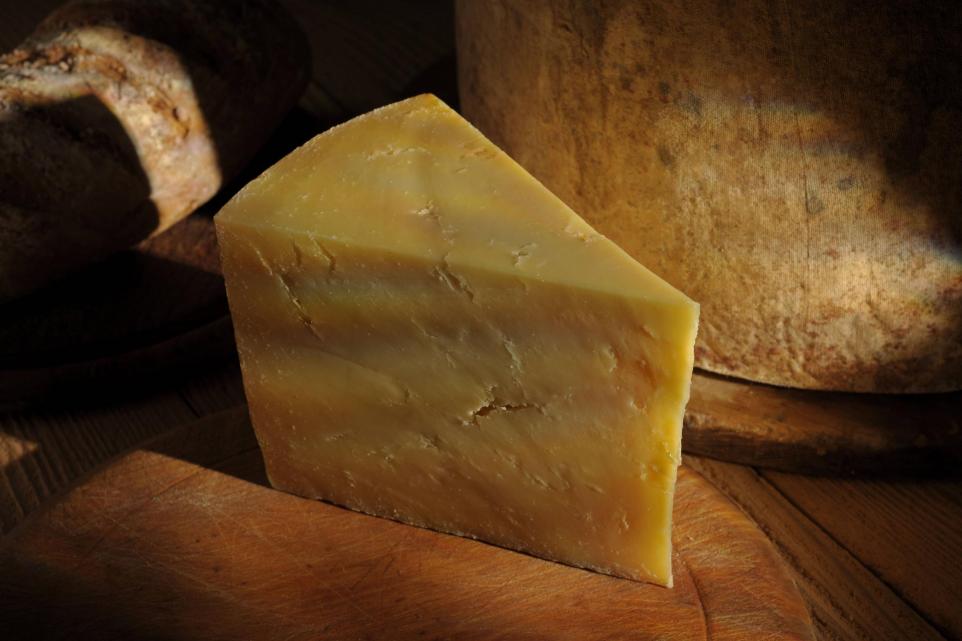
UK dairy exports to Egypt reached approximately £26 million in 2024, with cheese, butter, and milk products representing the most popular categories among Egyptian consumers. The preservation of unrestricted market access protects this existing trade volume while enabling potential expansion.
According to the Department for Business and Trade, the policy reversal safeguards an estimated £250 million in export opportunities for British farmers over the next five years. This figure reflects both maintained current trade levels and potential growth in dairy exports to the Egyptian market.
The economic benefits extend beyond immediate export values, supporting employment and investment across the UK dairy supply chain. From farm operations to processing facilities and logistics providers, multiple sectors benefit from sustained access to Egyptian markets.
Quality Standards Remain Central to UK Approach
Minister for Food Security and Rural Affairs Daniel Zeichner emphasized Britain’s reputation for excellence in dairy production, highlighting the country’s commitment to quality, animal welfare standards, and environmental sustainability. These attributes continue to differentiate British dairy products in competitive international markets.
“Britain is a great place for dairy farming and has an excellent reputation for quality, welfare standards and sustainability globally,” Zeichner stated, reinforcing the value proposition of UK dairy exports.
The minister also noted that eliminating the proposed certification requirements reduces costs and administrative burdens for exporters, creating better conditions for growth in overseas markets. This streamlined approach supports the government’s broader objectives of expanding UK agricultural exports.
Broader Context of UK Trade Strategy
This successful negotiation occurs within the framework of the UK’s comprehensive trade strategy, unveiled in June 2025, which aims to reduce barriers for British exporters and combat unfair trading practices globally. The approach emphasizes removing unnecessary obstacles while maintaining high product standards.
Since April 2025, the UK government has established new trade agreements with major markets including the United States, India, and the European Union. These agreements demonstrate ongoing efforts to secure favorable conditions for British exporters despite challenging global trade conditions.
The Egyptian dairy agreement complements these broader initiatives by preserving existing market access while setting precedents for resolving trade disputes through diplomatic engagement rather than accepting protectionist measures.
Global Trade Environment Challenges
The success with Egypt comes amid broader international trade tensions, particularly following new tariff policies implemented by various countries. Recent developments have seen tariff increases of 10% or higher affecting more than 60 countries and the European Union, creating additional challenges for international exporters.
These global trade pressures make the preservation of existing market access particularly valuable for UK exporters. The Egyptian agreement demonstrates that proactive diplomatic engagement can successfully address potential trade barriers before they impact business operations.
The resolution also provides a positive model for addressing similar challenges that may arise with other trading partners, showing how quality standards and diplomatic dialogue can resolve potential certification disputes.
Future Implications for UK Dairy Exports
The successful resolution with Egypt strengthens the UK’s position in Middle Eastern dairy markets and may encourage increased investment in export capacity. British dairy producers can now plan expansion strategies with confidence in continued Egyptian market access.
The precedent established through this negotiation may also prove valuable in discussions with other countries considering similar certification requirements. The UK’s approach of emphasizing existing quality standards while engaging in constructive dialogue offers a template for future trade discussions.
Supporting Agricultural Sector Growth
This trade victory aligns with broader government objectives of supporting rural economies and agricultural competitiveness. By preserving market access and reducing administrative burdens, the agreement enables dairy producers to focus resources on production quality and market development rather than compliance costs.
The £250 million in protected export opportunities over five years provides substantial support for farm incomes and rural employment. This economic impact extends beyond dairy operations to include supporting industries such as feed suppliers, equipment manufacturers, and transportation services.
Conclusion
Egypt’s decision to abandon mandatory halal certification requirements for UK dairy imports represents a significant diplomatic and economic achievement. The preserved market access worth £250 million over five years demonstrates the value of sustained international engagement in protecting British agricultural interests.
This success story illustrates how proactive trade diplomacy can resolve potential barriers while maintaining high product standards. The outcome benefits both British dairy producers seeking international markets and Egyptian consumers who continue to access high-quality UK dairy products without additional costs or restrictions.
The agreement reinforces the UK’s reputation as a reliable trading partner capable of working collaboratively to address regulatory challenges. This approach supports broader objectives of expanding British agricultural exports while maintaining the quality and sustainability standards that distinguish UK products in global markets.
Original article:
irvinetimes.com. (n.d.). Egypt drops plans for halal certification on all UK dairy exports. Retrieved August 17, 2025, from https://www.irvinetimes.com/news/national/25382242.egypt-drops-plans-halal-certification-uk-dairy-exports/