Eastern Libya’s Economic Renaissance: Benghazi and Derna Chart New Development Paths
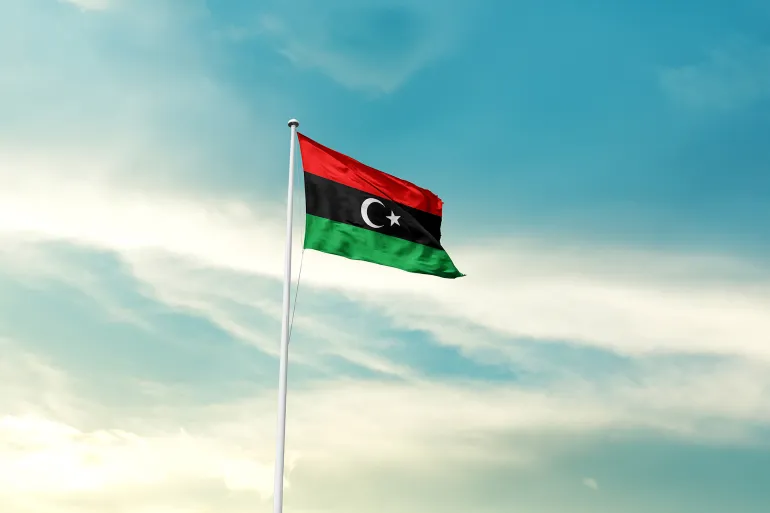
JAKARTA – Eastern Libya is experiencing a significant economic transformation as Benghazi and Derna emerge as focal points for reconstruction and development, despite operating within a fragile political environment and facing complex developmental challenges. While Benghazi reclaims its role as an economic and administrative hub, Derna continues its recovery from the devastating cyclone that struck in September 2023, with both cities sharing a common aspiration to restore eastern Libya’s developmental significance on the national map.
Benghazi’s Urban Renaissance
Since the announcement of the “Greater Benghazi Plan” in 2025, the city has witnessed unprecedented urban development, featuring modern bridge projects and a new international airport in the Tika area east of Benghazi. These initiatives represent authorities’ efforts to transform the city into a pivotal economic center within the country.
According to data from African Business magazine and the United Nations Development Programme, energy and water projects have received substantial funding allocations. National electricity production has increased to 8,200 megawatts, while 62 new water treatment plants have been established nationwide, including several facilities in Benghazi.
However, the city continues to face recurring power outages during peak climate periods in both winter and summer, resulting from increased grid loads and declining distribution efficiency. Additionally, sewerage networks and housing services suffer from mounting pressure, particularly in residential neighborhoods, amid weak institutional oversight and overlapping jurisdictions among relevant authorities, hindering effective responses to basic needs.
Strategic Investment Opportunities
Benghazi has successfully attracted international attention by signing 17 memoranda of understanding with Italian companies covering sectors including construction, energy, and digital transformation. The city hosted the Libya-Italy Economic Forum in 2025 and the “Libya Build 2024” exhibition, enhancing foreign investor confidence in eastern Libya.
Major corporations such as Arabian Gulf Oil Company have emerged as pillars of the local economy, alongside notable expansion in food and retail industries. The proliferation of global brands reflects relative improvement in purchasing power, despite the continued presence of parallel markets and heavy reliance on cash transactions.
Controversial Development Projects
Despite the urban momentum, Benghazi faces deep structural challenges. According to the 2024 Corruption Perceptions Index published by Transparency International, Libya ranks 173rd out of 180 countries.
Forced displacement operations and demolition of historical neighborhoods such as Al-Sabri district and Tree Square have generated widespread criticism, particularly given the absence of adequate compensation for residents. Reports from Human Rights Watch and Associated Press indicate that over 20,000 people have been forcibly relocated since 2017 without transparency or clear resettlement plans, threatening public confidence in the entire reconstruction project.
Derna’s Emergency Reconstruction
Following the environmental disaster that destroyed a quarter of Derna and claimed over 4,000 lives in September 2023, the city has become both a symbol of tragedy and a testing ground for reconstruction efforts in Libya.
A joint assessment conducted by the World Bank, European Union, and United Nations estimated damages at approximately $1.65 billion, against reconstruction needs of at least $1.8 billion. The reconstruction fund has been allocated approximately 10 billion Libyan dinars ($1.84 billion) under the supervision of Belgasem Haftar, son of military commander Khalifa Haftar who controls eastern Libya.
However, media reports from French publications Le Monde and Radio France Internationale, along with the Middle East Institute, have linked these projects to a political network orbiting military leadership, questioning their transparency and actual effectiveness.
Despite official announcements claiming 70% completion of reconstruction work including housing, schools, and hospitals, field testimonies confirm significant variations in implementation quality and corruption allegations that impede genuine progress.
Derna’s Economic Rebirth
Derna’s economy remains largely confined to government reconstruction projects, with limited visible foreign investment or active private sector engagement. However, signs of economic transformation have begun emerging, particularly through entrepreneurship programs supported by organizations such as SPARK and ACTED, where Derna’s youth have shown interest in environmental, health, and technology projects.
In a symbolic step, the Central Bank of Libya held its first official meeting within the city in January 2025, announcing an initiative to establish investment funds contributing to local development. Derna also hosted the African Mini Football Championship in July 2025, a rare event that enhanced media and tourism presence despite the city’s lack of qualified hotel infrastructure.
Water infrastructure and climate preparedness remain among Derna’s most prominent weaknesses. According to reports from the UN Development Programme and the Middle East Institute, no alternative infrastructure has been established for the collapsed dams, and drinking water remains unsafe for approximately half the population.
Cases of diarrhea and contamination are increasing amid absent effective resource management, while experts warn of potential disaster recurrence unless a scientific plan for water and flood management is adopted.
Parallel Paths and Shared Constraints
Despite different contexts, Benghazi and Derna intersect at several structural challenges:
Corruption and Weak Oversight: From reconstruction funds to infrastructure projects, transparency remains absent across both cities.
Absence of Long-term Planning: Developmental visions remain confined to reconstruction efforts without orientation toward sustainable development.
Oil Sector Dependency: Oil continues dominating the economy without effective resource diversification.
Climate Vulnerability: From water shortages in Benghazi to climate threats in Derna, water infrastructure represents a central challenge.
Economic Growth Potential
Despite these constraints, a recent World Bank report indicates Libya’s non-oil sector experienced 7.5% growth in 2025, opening prospects for cities like Benghazi and Derna if business climate improvements and institutional-administrative stability can be ensured.
The transformations in both cities reflect a complex interplay between developmental ambition and structural challenges. While Benghazi leverages its strategic position and international partnerships to rebuild its economic foundations, Derna focuses on emergency reconstruction while laying groundwork for future economic diversification.
Future Outlook
The success of both cities’ development trajectories will largely depend on addressing governance challenges, ensuring transparency in reconstruction efforts, and creating sustainable economic foundations beyond immediate post-conflict recovery. Their experiences serve as important case studies for post-conflict reconstruction and economic development in the broader Middle East and North Africa region.
The international community’s continued engagement, coupled with effective local governance and transparent resource management, will be crucial for transforming these cities from symbols of conflict and disaster into beacons of successful reconstruction and sustainable development.
Both Benghazi and Derna represent critical components of Libya’s broader economic future, and their successful development could serve as catalysts for national reconciliation and comprehensive economic recovery across the country.
Original article:
aljazeera.net. (n.d.). كيف ترسم بنغازي ودرنة مستقبل شرق ليبيا الاقتصادي؟. Retrieved August 18, 2025, from https://www.aljazeera.net/ebusiness/2025/8/17/%D8%A8%D9%8A%D9%86-%D8%A7%D9%84%D8%B7%D9%85%D9%88%D8%AD-%D9%88%D8%A7%D9%84%D8%AA%D8%AD%D8%AF%D9%8A%D8%A7%D8%AA-%D9%83%D9%8A%D9%81-%D8%AA%D8%B1%D8%B3%D9%85-%D8%A8%D9%86%D8%BA%D8%A7%D8%B2%D9%8A