Indonesia Launches Free Halal Certification Program for Traditional Food Vendors
JAKARTA – Indonesia has introduced a revolutionary initiative offering complimentary halal certification to traditional food vendors, marking a significant advancement in the country’s halal industry development. The program specifically targets operators of Warung Tegal (warteg), Warung Sunda (warsun), and Warung Padang establishments, reflecting the government’s commitment to strengthening local food businesses while maintaining Islamic dietary standards.
Presidential Initiative Drives Certification Accessibility
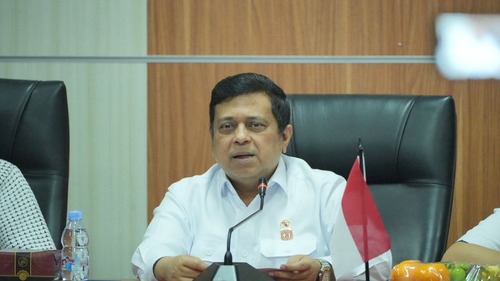
The free halal certification program represents a cornerstone policy of President Prabowo Subianto’s administration, designed to enhance the competitiveness of traditional Indonesian food establishments. Ahmad Haikal Hasan, Director of Indonesia’s Halal Product Assurance Agency (BPJPH), announced this groundbreaking initiative during a media briefing at the BPJPH headquarters in East Jakarta on Tuesday, August 19, 2025.
“This represents excellent news for entrepreneurs operating warteg, warung sunda, and warung padang establishments, as they can now obtain halal certification at no cost through our Million Free Halal Certifications Program, following President Prabowo Subianto’s directives,” stated Hasan during the announcement.
The initiative operates under BPJPH Decision Number 146 of 2025, which establishes technical guidelines for halal certification services targeting micro and small business operators through self-declaration processes. This regulation became effective on July 8, 2025, with complete documentation available through the official BPJPH website at bpjph.halal.go.id.
Strategic Framework for Market Competitiveness
The certification program addresses a critical need in Indonesia’s food service sector, where traditional establishments face increasing competition from international franchise operations. Hasan emphasized that the initiative aims to elevate local food vendors to competitive standards that can rival foreign restaurant chains expanding throughout Indonesia.
“We want our numerous traditional restaurants to become competitive with international franchise establishments that are proliferating domestically. This creates healthy competition based on standards and quality,” Hasan explained.
The program also responds to cultural preservation concerns, as younger Indonesian generations increasingly favor international food options over traditional Indonesian cuisine. By providing halal certification, the government hopes to restore confidence in local food establishments while promoting cultural culinary heritage.
“We want children to appreciate Indonesian cuisine more—dishes like Betawi soto, Bogor soto, satay, rendang, and other traditional foods. We’ve observed that children frequently visit international franchise restaurants,” Hasan noted.
Comprehensive Certification Requirements
The free halal certification program operates through a self-declaration scheme, requiring traditional food vendors to meet specific criteria designed to ensure authentic halal compliance while maintaining accessibility for small businesses:
Business Registration Requirements:
- Valid Business Identification Number (NIB) with micro or small business classification
- Maximum revenue of Rp 15 billion annually
- Maximum of one production facility and one retail outlet
Production Standards:
- Verified halal status of all ingredients used
- Simple production processes without complex manufacturing
- No use of materials or processes involving non-halal substances
- Separation of production locations from non-halal product facilities
Product Specifications:
- Products must be tangible goods rather than services
- No use of hazardous materials
- Animal products must come from halal slaughter methods
- Ground meat must be processed through halal-certified grinding services
Product Limitations:
- General food establishments: maximum 10 product names including variants
- Traditional warung establishments: maximum 30 product names including variants
- All products and processes must be verified by Halal Product Process Assistants (P3H)
Implementation and Oversight Mechanisms
The certification program incorporates robust oversight mechanisms to ensure compliance and maintain consumer trust. BPJPH conducts regular monitoring of Halal Product Assurance (JPH) to verify ongoing compliance among certified establishments.
This monitoring system addresses potential concerns about self-declaration processes by implementing periodic verification procedures. The involvement of Halal Product Process Assistants (P3H) provides additional quality control, ensuring that certified establishments maintain halal standards throughout their operations.
The program’s technical implementation involves collaboration between various BPJPH departments, including partnerships and halal standardization, registration and halal certification, and supervision and JPH guidance divisions.
Market Impact and Consumer Benefits
For Indonesian consumers, particularly the country’s Muslim majority population, this initiative provides enhanced confidence in traditional food establishments. Halal certification offers legal certainty regarding the halal status of consumed products, addressing fundamental dietary requirements for Muslim consumers.
The program also benefits traditional food vendors by:
Enhanced Market Position: Certification enables traditional establishments to compete more effectively with international franchises that typically maintain standardized quality and certification procedures.
Consumer Trust Building: Official halal certification increases consumer confidence, particularly among religiously observant customers who prioritize halal compliance.
Business Expansion Opportunities: Certified establishments may access broader market segments and potentially qualify for partnerships with larger food service networks.
Cultural Preservation: The program supports preservation of traditional Indonesian culinary heritage by making it more accessible and trusted by contemporary consumers.
Application Process and Accessibility
Traditional food vendors interested in obtaining free halal certification can access the program through BPJPH’s streamlined application process. The self-declaration scheme significantly reduces bureaucratic barriers that previously prevented small businesses from pursuing halal certification.
Eligible establishments can initiate applications through the official BPJPH website, where comprehensive guidelines and application materials are available. The simplified process reflects the government’s commitment to making halal certification accessible to micro and small enterprises that form the backbone of Indonesia’s food service sector.
Broader Economic and Social Implications
This certification initiative aligns with Indonesia’s broader economic strategy to strengthen domestic businesses while maintaining Islamic values. As the world’s largest Muslim-majority country, Indonesia’s halal certification programs often influence global halal industry standards and practices.
The program may also contribute to Indonesia’s export potential, as domestically certified halal food products can more easily access international Muslim markets. This domestic foundation provides Indonesian food businesses with credibility when seeking international expansion opportunities.
Future Expansion and Development
While the current program focuses on traditional Indonesian food establishments, BPJPH’s framework suggests potential expansion to other food service categories. The success of this initiative may inform future policies supporting small and medium enterprises across various sectors.
The government’s commitment to providing free certification represents a significant investment in domestic business development, potentially serving as a model for other countries seeking to support traditional food industries while maintaining religious compliance standards.
Stakeholder Engagement and Support
The program announcement included participation from key BPJPH leadership, including Deputy Director Afriansyah Noor, Secretary General Muhammad Aqil Irham, and various deputy directors responsible for partnerships, standardization, registration, certification, supervision, and guidance.
This comprehensive leadership involvement demonstrates institutional commitment to the program’s success and suggests robust support for ongoing implementation and development.
Recommendations for Traditional Food Vendors
For traditional food establishment operators considering participation in this program:
Immediate Actions: Review current ingredients and sourcing practices to ensure halal compliance before applying for certification.
Documentation Preparation: Gather required business registration documents and prepare production process documentation for P3H verification.
Process Standardization: Implement consistent preparation methods and ingredient sourcing to maintain certification standards over time.
Consumer Communication: Develop strategies to inform customers about halal certification status and its benefits for food quality and safety.
This free halal certification program represents a significant advancement in Indonesia’s efforts to support traditional food businesses while maintaining Islamic dietary standards. By removing financial barriers to certification, the government enables small food vendors to compete more effectively in an increasingly competitive market while preserving Indonesia’s rich culinary heritage.
Original article:
halaltimes.com. (n.d.). Warteg, Warsun, lainnya bisa dapat sertifikat halal gratis. Retrieved August 19, 2025, from https://elshinta.com/news/383082/2025/08/19/-warteg-warsun-lainnya-bisa-dapat-sertifikat-halal-gratis