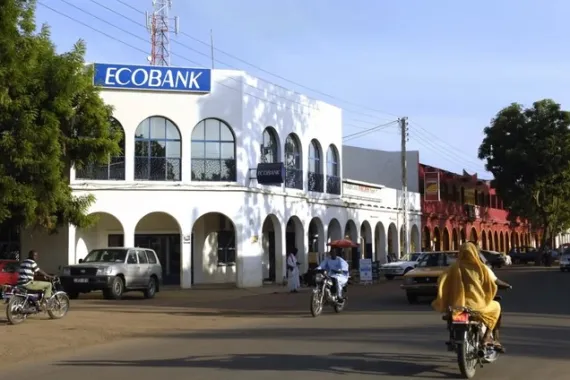
Ecobank’s Remarkable Transformation: From Regional Player to Continental Banking Leader
JAKARTA – The Togolese financial institution known as Ecobank has achieved an extraordinary transformation over the past two decades, evolving from a modest regional bank into one of Africa’s most influential financial powerhouses. Today, the institution ranks 15th among African banks with a capital base exceeding $27 billion and serves customers across 34 countries, representing one of the continent’s most compelling success stories in financial services expansion.
From Humble Beginnings to Continental Dominance
Twenty years ago, Ecobank barely registered on Africa’s banking landscape, failing to appear among the continent’s top 30 financial institutions. Its operations were confined to just 13 African nations, lagging significantly behind competitors like South Africa’s Standard Bank, which maintained presence in 18 countries across the continent.
This dramatic transformation represents more than mere geographic expansion—it reflects a fundamental reimagining of African banking possibilities and the potential for indigenous institutions to compete with established international players.
Founding Vision and Early Development
Ecobank’s origins trace back to 1985, when two visionary business leaders—Gervais Kofi Djondo from Togo and Adeyemi Lawson from Nigeria—established the institution. Both founders served as heads of their respective countries’ Chambers of Commerce and Industry, bringing deep understanding of West African commercial needs and cross-border trade dynamics.
Their founding vision centered on creating a financial institution that could serve Africa’s developmental needs while providing banking services to the continent’s diverse populations through an extensive network of branches and subsidiaries across multiple countries.
Strategic Pivot and Expansion Framework
The year 2005 marked a pivotal moment in Ecobank’s evolution, when leadership implemented a comprehensive strategic plan designed to transform the institution from a regional player into a continental financial leader. This ambitious framework aimed to position Ecobank as a pioneering force in African financial services, offering seamless access to investors and businesses across the continent.
During this transformative period, Ecobank attempted a merger with Nigeria’s First Bank, though negotiations ultimately failed due to disagreements over governance structures and operational frameworks. Despite this setback, the institution remained committed to its expansion strategy.
To support its continental ambitions, Ecobank significantly strengthened its financial foundation, raising capital from $127.2 million to $221.5 million in 2005—representing an impressive 75% increase specifically earmarked for regional expansion financing.
Rapid Growth and Market Penetration
By 2007, just two years after implementing its strategic transformation, Ecobank had doubled in size with deposits increasing by 72%. This remarkable growth provided the institution with substantial presence in sub-Saharan African financial markets, establishing a foundation for future continental expansion.
Ecobank’s leadership recognized the tremendous opportunity presented by sub-Saharan Africa’s 44 countries, which included rapidly growing economies driven by oil exports (such as Chad and Equatorial Guinea) and post-conflict nations rebuilding their economies (including Guinea-Bissau and Sierra Leone). These markets offered limited banking competition but substantial demand for financial services.
Market Strategy and Competitive Positioning
The institution’s expansion strategy proved particularly effective in markets characterized by weak banking competition but strong demand for financial services. This approach allowed Ecobank to establish market-leading positions in multiple countries while building comprehensive service networks across diverse economic environments.
The bank’s focus on underserved markets, combined with its pan-African vision, enabled it to capture significant market share in regions where international banks maintained limited presence. This strategy proved especially valuable in emerging markets and post-conflict economies seeking reliable financial infrastructure.
Contemporary Market Position
Two decades after launching its 2005 strategic plan, Ecobank has achieved remarkable success, with current capital approaching $27 billion and operations spanning 34 countries. This expansion has enabled the institution to surpass South Africa’s Standard Bank in continental reach, establishing Ecobank as a truly pan-African financial institution.
The bank’s current market position reflects successful execution of its original vision: creating a continental financial institution capable of serving Africa’s developmental needs while providing comprehensive banking services across diverse markets and economic conditions.
Operational Excellence and Service Innovation
Ecobank’s success stems not only from geographic expansion but also from its commitment to operational excellence and service innovation. The institution has developed sophisticated cross-border banking capabilities, enabling seamless financial transactions across multiple African currencies and regulatory environments.
This operational sophistication allows Ecobank to serve multinational corporations, small and medium enterprises, and individual customers with equal effectiveness, providing financial products and services tailored to diverse market needs and economic conditions.
Impact on African Financial Development
Ecobank’s transformation has contributed significantly to African financial sector development, demonstrating that indigenous institutions can achieve continental scale while maintaining competitive service standards. The bank’s success has inspired other African financial institutions to pursue similar expansion strategies.
The institution’s pan-African approach has also facilitated increased intra-African trade and investment by providing reliable financial infrastructure across multiple markets. This connectivity supports regional economic integration and reduces dependency on external financial systems for continental commerce.
Future Growth Prospects and Strategic Direction
Looking ahead, Ecobank’s established market position provides substantial opportunities for continued growth and service expansion. The institution’s extensive network positions it advantageously to capitalize on Africa’s demographic growth, urbanization trends, and increasing financial inclusion initiatives.
The bank’s digital transformation initiatives and technological investments position it well to serve Africa’s growing young population, which increasingly demands modern banking services and digital financial solutions.
Lessons for African Financial Institutions
Ecobank’s transformation offers valuable insights for other African financial institutions seeking continental expansion:
Strategic Vision: Long-term planning and commitment to continental expansion enabled sustained growth despite market challenges and competitive pressures.
Market Selection: Focusing on underserved markets with strong growth potential provided opportunities for market leadership while building comprehensive service networks.
Capital Strengthening: Strategic capital increases supported expansion initiatives while maintaining financial stability throughout rapid growth periods.
Operational Excellence: Developing sophisticated cross-border capabilities enabled effective service delivery across diverse regulatory and economic environments.
Broader Economic Implications
Ecobank’s success represents more than institutional achievement—it demonstrates Africa’s capacity for developing world-class financial institutions capable of competing globally while serving continental development needs.
The institution’s growth contributes to African financial sector maturation, providing alternatives to international banks while supporting intra-African commerce and investment flows.
Regional Integration and Development Impact
Through its pan-African presence, Ecobank facilitates regional economic integration by providing consistent financial services across multiple markets. This integration supports African Union initiatives promoting continental trade and economic cooperation.
The bank’s extensive network also enables more efficient capital allocation across African markets, supporting productive investments and economic development initiatives throughout the continent.
Conclusion: A Model for African Excellence
Ecobank’s remarkable transformation from a modest regional institution to a continental banking leader exemplifies African potential for creating world-class institutions. The bank’s success demonstrates that with strategic vision, operational excellence, and sustained commitment, African institutions can achieve continental scale while serving developmental needs.
As Africa continues its economic transformation, Ecobank’s model provides a blueprint for other institutions seeking to build pan-African presence while maintaining competitive service standards. The institution’s continued growth and evolution will likely influence African banking sector development for years to come, establishing new standards for continental financial service delivery.
This success story represents not just corporate achievement but a demonstration of African capacity for institutional excellence and continental vision, contributing to broader narratives of African economic progress and self-determination in global financial markets.
Original article:
halaltimes.com. (n.d.). “إيكو بنك” يحقق النجاح وينتشر في 34 دولة برأسمال يتجاوز 27 مليار دولار. Retrieved August 19, 2025, from https://www.aljazeera.net/news/2025/8/19/%D8%A5%D9%8A%D9%83%D9%88%D8%A8%D9%86%D9%83-%D9%8A%D8%AD%D9%82%D9%82-%D9%86%D8%AC%D8%A7%D8%AD%D8%A7-%D9%85%D8%B0%D9%87%D9%84%D8%A7-%D8%A7%D9%86%D8%AA%D8%B4%D8%A7%D8%B1-%D9%81%D9%8A-34