Iran Positions Itself as Premier Destination for Islamic Tourism and Agricultural Experiences
JAKARTA – The Islamic Republic of Iran is strategically positioning itself to capture a significant share of the rapidly expanding global Islamic tourism market, with ambitious initiatives focusing on faith-based travel experiences and agricultural tourism. As the worldwide Islamic tourism industry continues its remarkable growth trajectory—projected to expand from $256.5 billion in 2023 to an impressive $410.9 billion by 2032—Iran is implementing comprehensive strategies to attract Muslim travelers from around the globe.
The country’s dual approach combines its natural advantages in Islamic-compliant services with its diverse agricultural heritage, creating unique tourism opportunities that cater to both spiritual and experiential travel preferences.
Islamic Tourism: Building on Natural Advantages
Iran’s tourism sector possesses inherent strengths in serving Muslim travelers, given the country’s comprehensive adherence to Islamic principles across all service sectors. The nation’s food industry operates exclusively within halal parameters, while hospitality services—from accommodation to dining—naturally align with Islamic requirements without requiring special adaptations.
This organic compatibility makes Iran an attractive destination for Muslim tourists seeking authentic Islamic experiences without concerns about religious compliance. The government has recognized this competitive advantage and is working to enhance the country’s appeal through targeted infrastructure development and service improvements.
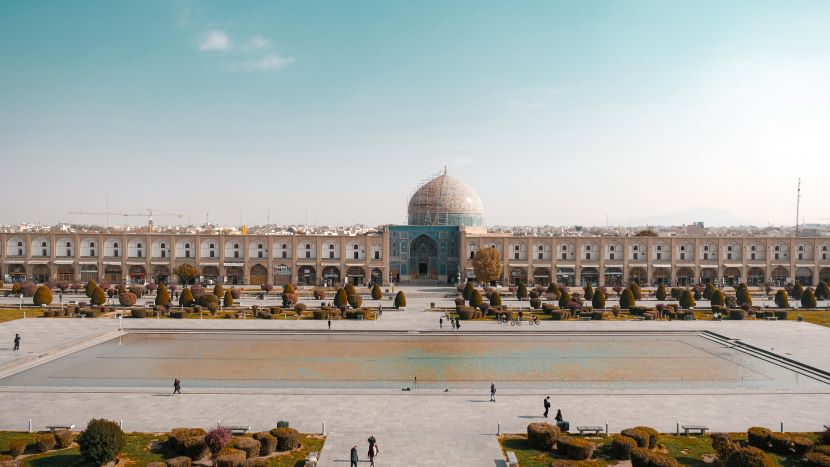
Strategic Market Focus: Iran’s tourism authorities are particularly targeting Muslim-majority countries including Indonesia, Malaysia, Turkey, and the United Arab Emirates, where demand for Islamic-compliant travel experiences continues growing. The country’s rich historical heritage, combined with numerous religious sites and culturally significant locations, provides a compelling draw for faith-based tourism.
The government’s commitment extends beyond basic compliance to creating genuinely welcoming environments for Muslim visitors, with ongoing improvements to hotels, restaurants, transportation systems, and tourist facilities to ensure they meet the highest standards of Islamic hospitality.
Agricultural Tourism: Leveraging Geographic Diversity
Iran’s remarkable geographic and climatic diversity presents exceptional opportunities for agricultural tourism development. The country encompasses 14 of the world’s 17 recognized climate zones, creating an extraordinary range of natural environments from fertile plains to mountainous regions. This diversity translates into varied agricultural practices and rural experiences that can attract tourists interested in authentic farming and village life.
Climate Advantages: The nation’s four-season climate pattern proves particularly beneficial for horticultural tourism, offering visitors year-round opportunities to engage with different agricultural cycles, seasonal farming activities, and nature-based experiences. This climatic variety enables diverse tourism products that remain attractive throughout the year.
Rural Economic Development: Agricultural tourism initiatives are designed to benefit rural communities by creating new income sources and employment opportunities. Visitors can participate in traditional farming activities, explore local agricultural methods, and experience authentic village life while contributing to rural economic development.
Urban Agriculture Integration: Iran is also exploring urban agriculture concepts as part of its broader tourism strategy, allowing visitors to engage with agricultural activities even in metropolitan areas. This approach caters to tourists seeking contemporary, environmentally conscious travel experiences while maintaining connections to Iran’s agricultural traditions.
Workforce Development and Capacity Building
Recognizing that successful tourism requires skilled human resources, Iran is prioritizing comprehensive training programs for tourism industry stakeholders. This includes education initiatives for hotel personnel, tour guides, operators, and local service providers to ensure they understand both Islamic tourism principles and agricultural tourism best practices.
Learning from Success Stories: Iran is studying successful Islamic tourism destinations like Malaysia, Indonesia, and Turkey, which have demonstrated the importance of education and capacity building in developing competitive tourism sectors. These countries’ experiences provide valuable insights into workforce development strategies and industry standards.
Comprehensive Training Approach: The training programs encompass customer service excellence, hospitality management, cultural sensitivity, and local agricultural knowledge. This holistic approach ensures that Iran’s tourism workforce can deliver high-quality experiences that meet international visitor expectations.
Global Market Context and Opportunities
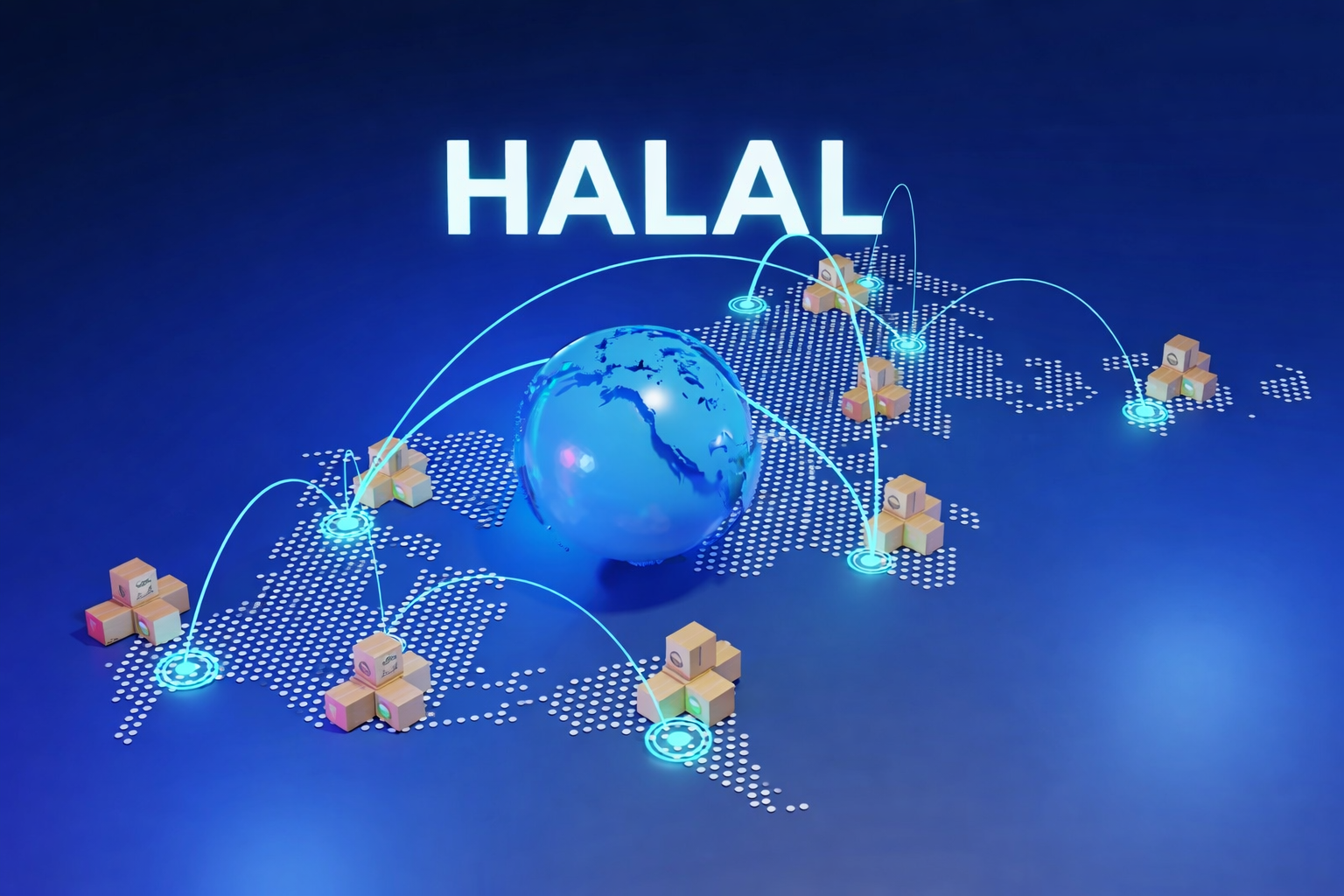
The international Islamic tourism market demonstrates strong growth momentum, with Muslim tourist arrivals expected to increase from the current 80 million to 230 million by 2028. This growth occurs within the broader context of the expanding global halal economy, projected to reach $7.7 trillion by 2024—more than doubling its 2015 value.
Comprehensive Service Requirements: Modern Islamic tourism extends far beyond halal food provision to include prayer facilities, gender-appropriate amenities, alcohol-free accommodations, and entertainment options that align with Islamic values. Iran’s natural adherence to these principles positions it advantageously in serving this market segment.
Market Size and Potential: With approximately two billion Muslims worldwide, the potential market for Islamic tourism represents substantial economic opportunities. Iran’s strategic focus on serving this demographic aligns with broader economic diversification goals and tourism sector development.
Government Support and Legislative Framework
The Iranian government has demonstrated strong commitment to developing both Islamic and agricultural tourism sectors through policy support and resource allocation. Parliamentary backing for tourism initiatives indicates sustained political support for these strategic directions.
Agricultural Heritage Recognition: Government initiatives emphasize Iran’s agricultural heritage as a distinctive asset with potential for global recognition and tourist attraction. This focus on cultural and historical agricultural practices provides authentic experiences that differentiate Iran from other destinations.
Infrastructure Investment: Ongoing investments in tourism infrastructure, regulatory frameworks, and service standards demonstrate the government’s serious commitment to developing competitive tourism offerings.
Future Outlook and Strategic Positioning
Iran’s combined focus on Islamic and agricultural tourism creates a unique market position that can serve diverse traveler interests while leveraging the country’s natural advantages. The strategy addresses both the growing demand for faith-based travel experiences and increasing interest in authentic, sustainable tourism options.
Sustainable Development Model: The emphasis on agricultural tourism promotes sustainable development by supporting rural communities, preserving traditional practices, and creating environmentally responsible tourism products. This approach aligns with global trends toward more conscious and meaningful travel experiences.
Competitive Differentiation: By combining Islamic compliance with diverse agricultural and natural experiences, Iran offers something distinctive in the global tourism marketplace. This differentiation strategy could prove particularly effective as competition for Muslim tourists intensifies among various destinations.
The success of Iran’s tourism strategy will depend on continued investment in infrastructure, workforce development, and service quality while maintaining the authentic cultural and religious characteristics that make the country attractive to its target markets. With proper execution, Iran has the potential to become a leading destination in both the Islamic tourism and sustainable agricultural tourism sectors.
Original article:
travelandtourworld.com. (n.d.). Halal Tourism And Agritourism In Iran: Shaping The Future Of Travel With Unique Traveller Friendly Experiences. Retrieved August 24, 2025, from https://www.travelandtourworld.com/news/article/halal-tourism-and-agritourism-in-iran-shaping-the-future-of-travel-with-unique-traveller-friendly-experiences/