Australia’s Strategic Position to Dominate Global Halal Export Market
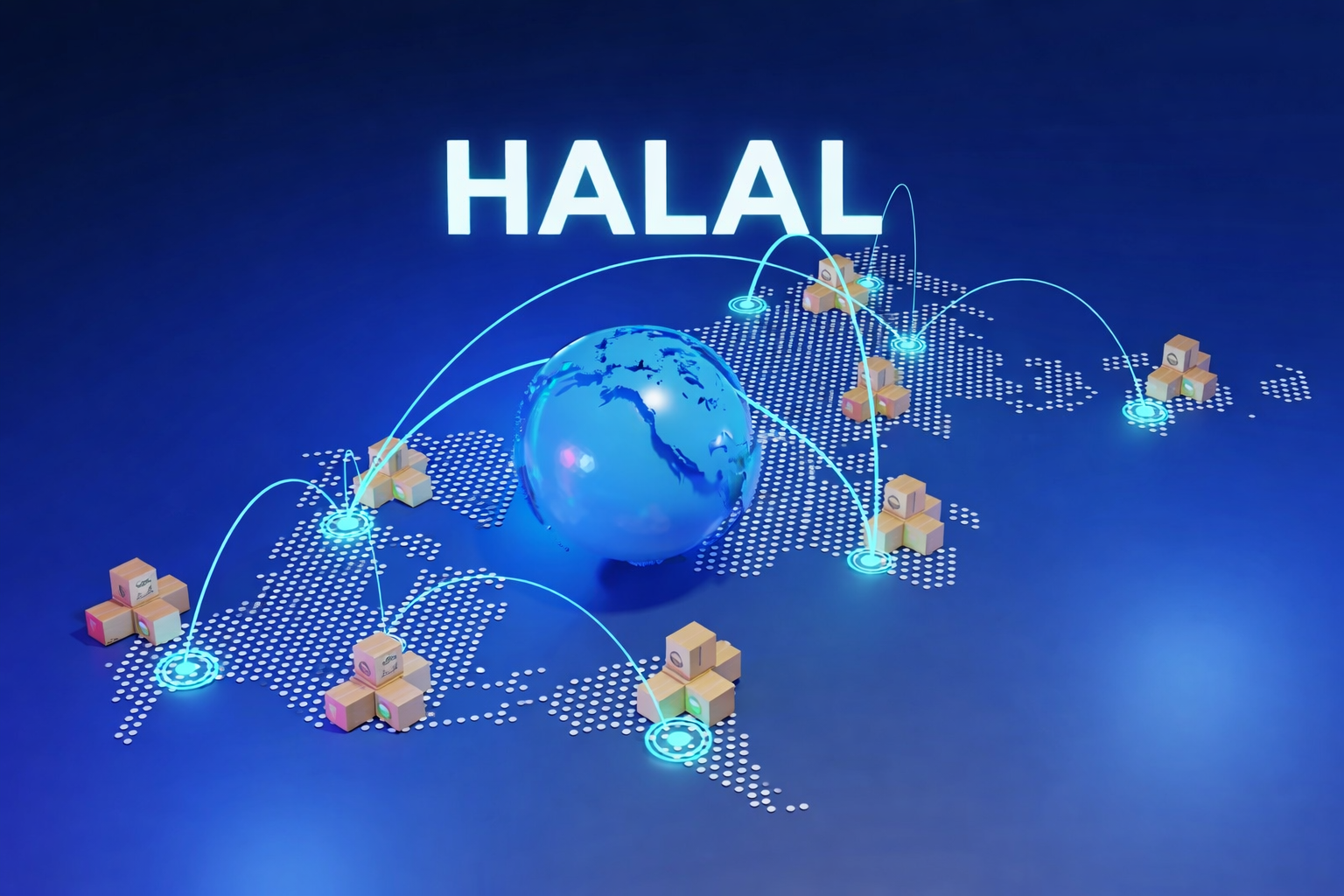
JAKARTA – The worldwide halal market represents one of the most significant economic opportunities of our time, currently valued at over $7 trillion and projected to reach $10 trillion by 2030. Within this expansive market, halal food products command the largest share, accounting for more than 35% of total market value. The term “halal,” derived from Arabic meaning “permissible” or “lawful” under Islamic jurisprudence, has evolved from a religious requirement into a global quality standard.
This remarkable market growth presents unprecedented opportunities for nations capable of delivering trusted, high-quality halal products to Muslim consumers worldwide—and Australia has positioned itself uniquely to capture this expanding market.
Australia’s Established Halal Export Excellence
Australia has cultivated an exceptional reputation in international halal markets, particularly through its premium red meat exports. The nation annually exports more than one million tonnes of meat and related products to over 160 countries globally. Among these destinations, 17 represent Muslim-majority nations, while many others contain substantial Muslim populations, demonstrating the widespread confidence in Australian halal standards.
This export success has transformed Australia’s halal industry into a multi-billion-dollar sector annually. As one of the top four exporters to Organization of Islamic Cooperation (OIC) member countries, Australia has solidified its position among the world’s most dependable suppliers of beef, lamb, and dairy products, establishing a foundation for continued expansion in global halal markets.
The Foundation of Australian Halal Trust
Australia’s competitive advantage in halal exports stems from its innovative dual oversight framework. The Australian Government Authorised Halal Program (AGAHP), launched in 1997, created a distinctive competitive position among non-Muslim majority countries seeking to serve halal markets effectively.
This comprehensive system involves collaboration between the Department of Agriculture, Fisheries and Forestry, approved Halal Certifying Bodies representing Islamic organizations, and export-registered facilities to ensure complete halal compliance. The framework combines religious authenticity with transparent, government-regulated systems, creating unparalleled trust among international consumers.
Unlike many competitors where halal certification processes suffer from fragmentation or disputes, Australia’s unified approach supports more than 100 halal-certified processing facilities while maintaining large-scale production capabilities. This combination of operational scale, certification integrity, and dual legal-religious oversight enables Australia to position itself as a premium global halal brand rather than merely another supplier.
Strategic Geographic and Trade Advantages
Australia benefits significantly from its proximity to Asia, the world’s largest halal consumer region. Indonesia and Malaysia collectively represent massive portions of global halal demand, and both countries are actively strengthening commercial relationships with Australia. Recent agreements expanding halal meat and agricultural technology cooperation with Malaysia, combined with bilateral halal partnerships with Indonesia, reflect deliberate strategic positioning.
These developments demonstrate Australia’s commitment to becoming the preferred halal supplier throughout the Asia-Pacific region. However, sustainable long-term growth requires expansion beyond traditional meat and dairy exports into the broader halal economy ecosystem.
Diversification Beyond Traditional Exports
While meat and dairy products currently dominate Australian halal exports, the global halal economy encompasses far more extensive opportunities. Halal pharmaceuticals, personal care products, nutraceuticals, packaging solutions, and tourism services each represent multi-billion-dollar industries offering significant growth potential.
Australia’s robust research and development infrastructure, combined with its established reputation for quality, creates ideal conditions for diversification into these emerging halal sectors. Halal-certified vitamins and skincare products from Australian manufacturers already enjoy niche popularity throughout Southeast Asia, suggesting substantial opportunities for mainstream halal branding expansion.
Tourism and Hospitality Opportunities
The halal tourism sector presents particularly compelling growth prospects if Australia’s popular destinations develop comprehensive Muslim-friendly accommodations, dining options, and prayer facilities. By positioning itself as an accessible, value-oriented travel destination for Muslim visitors, Australia could attract substantial tourism from the Gulf region, Southeast Asia, and other areas with significant Muslim populations, creating new economic opportunities alongside traditional halal trade.
Islamic Finance Integration
Halal finance and investment represent another crucial growth pathway. By attracting Sharia-compliant financial institutions, particularly from Gulf countries, Australia can establish culturally appropriate funding channels supporting halal industry expansion. These investment flows could extend to strategic sectors including renewable energy, reinforcing Australia’s position as a trusted partner in both ethical finance and sustainable development initiatives.
Competitive Landscape and Market Challenges
Australia faces intensifying competition from multiple directions. Beyond Muslim-majority nations like Saudi Arabia and the United Arab Emirates, countries including Brazil, India, and Argentina have emerged as formidable competitors in global halal markets. The absence of unified international halal standards further complicates certification processes and market access strategies.
Despite these challenges, Australia maintains clear competitive advantages. While it may not match the production volumes or low-cost exports of some competitors, Australia excels in the premium, trusted, high-value segment of halal markets—where quality, integrity, and ethical production practices serve as decisive competitive factors.
Domestic Halal Market Development
Australia’s domestic halal market continues expanding, driven by growing Muslim population demographics and increasing demand for halal-certified products and services. Major supermarket chains including Coles and Woolworths now stock comprehensive halal meat and packaged goods selections, while prominent fast-food chains like McDonald’s offer halal menu options in selected locations.
The domestic halal economy extends beyond food products, encompassing rising demand for halal pharmaceuticals, cosmetics, and personal care items. The financial sector has also embraced halal economic principles, with several Islamic financial institutions operating in Australia and Halal ETFs trading on the Australian Securities Exchange (ASX).
Financial Services Innovation
Islamic financial institutions now provide comprehensive services including home loans and superannuation products, while mainstream banks such as NAB offer Islamic business and investment loans, responding to growing demand for Sharia-compliant financial solutions.
Regulatory Standardization Opportunities
Despite significant growth, domestic market challenges persist, particularly regarding fragmented halal certification processes involving multiple independent certifying bodies. This fragmentation can create consumer confusion, community mistrust, and standard disputes. Applying the rigorous regulatory oversight used in Australia’s halal export sectors to domestic markets could address these concerns through enhanced transparency, consumer education, and standardized certification processes.
Strategic Recommendations for Market Leadership
To achieve global halal export leadership, Australia should implement several strategic initiatives:
Agricultural Strength Leverage: Continue building upon established meat and dairy export success while exploring new agricultural halal opportunities.
Industry Diversification: Accelerate expansion into halal pharmaceuticals, cosmetics, nutraceuticals, and tourism services.
Regional Partnership Deepening: Strengthen trade relationships with key Asian markets while exploring new opportunities in the Middle East and Africa.
Domestic Standardization: Apply export-level regulatory integrity to domestic halal certification systems.
Innovation Investment: Support research and development in emerging halal technologies and product categories.
Future Market Leadership Potential
If Australia successfully leverages its agricultural foundation, diversifies into non-food halal industries, and deepens regional partnerships, it can transition from market participant to global halal export leader. The halal economy has evolved from a niche market into a multi-trillion-dollar opportunity, and Australia possesses both the operational capability and market credibility necessary to capture significant market share.
Australia’s unique combination of geographic advantages, regulatory excellence, production scale, and quality reputation positions it ideally to lead the next phase of global halal market expansion. Through strategic planning and continued investment in halal industry development, Australia can transform its current success into sustained global leadership in this rapidly growing economic sector.
Original article:
halaltimes.com. (n.d.). Australia’s Prospect to Lead the Global Halal Export Market. Retrieved August 27, 2025, from https://www.halaltimes.com/australias-prospect-to-lead-the-global-halal-export-market/