Ethical Investment in the Halal Economy: HASAN.VC’s Innovative Approach to Impact-Driven Venture Capital
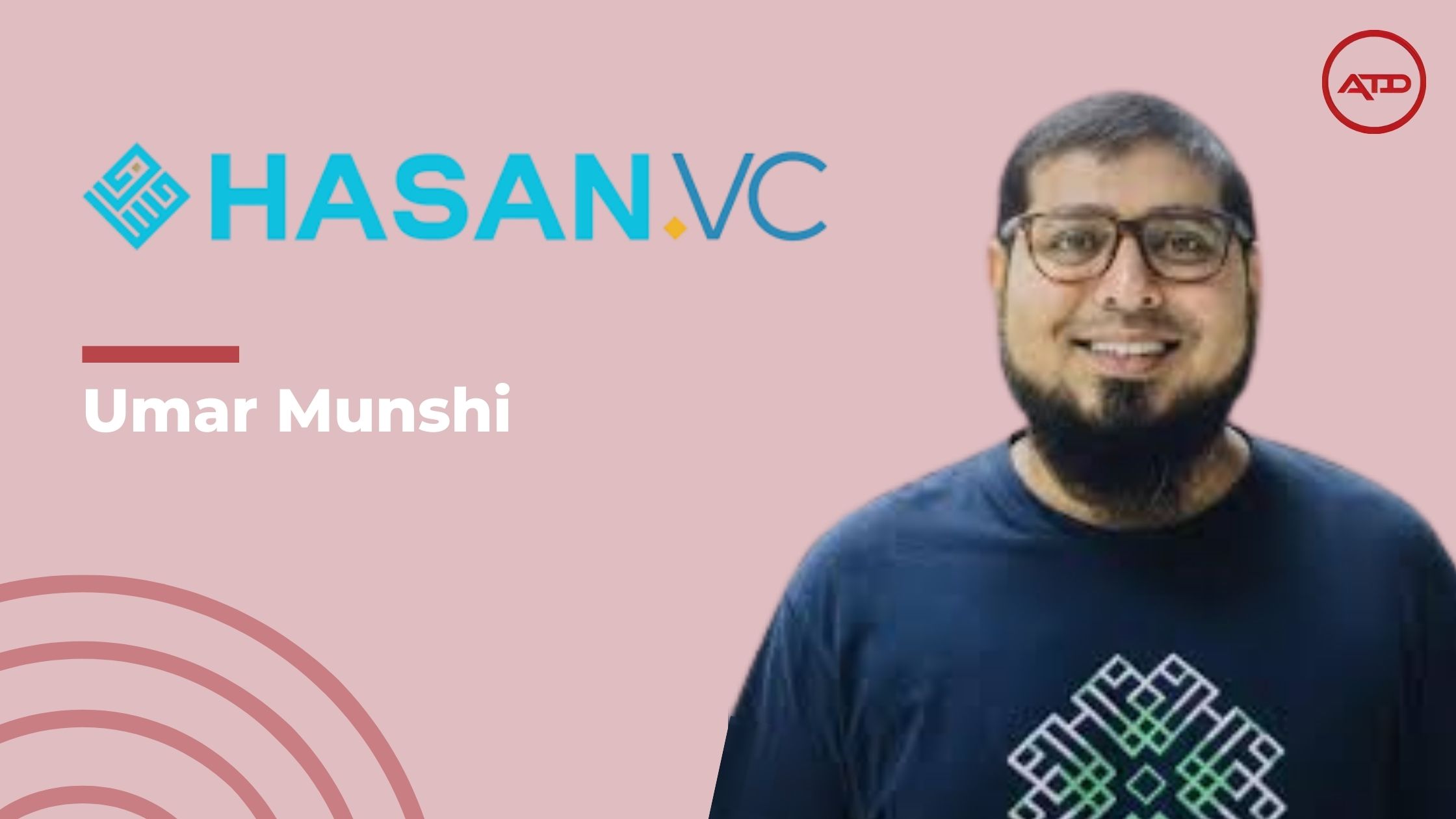
This comprehensive interview explores how Umar Munshi, founder of Ethis Group and Managing Partner of HASAN.VC, is revolutionizing ethical finance through halal-compliant venture capital investments and startup acceleration programs.
Company Background and Mission
Ethis Group represents a pioneering force in ethical finance, established by entrepreneurs Umar Munshi and Ronald Wijaya. The organization operates throughout Asia and the Gulf Cooperation Council (GCC) regions, creating bridges between private capital and businesses that generate both financial returns and meaningful social impact.
The company’s portfolio encompasses three primary divisions:
- HASAN.VC: A specialized venture fund and accelerator focused on halal-compliant investments
- Ethis P2P Lending: A platform dedicated to financing micro, small, and medium enterprises (MSMEs) in Indonesia
- GlobalSadaqah: A charitable platform that directs funding to non-governmental organizations
Umar Munshi’s entrepreneurial path began remarkably early at age 18. His formative years included serving as an Inspector during Singapore’s national service, where he cultivated essential leadership abilities and developed profound empathy for others. At 23, his relocation to Indonesia provided direct exposure to significant economic inequalities, ultimately inspiring his commitment to developing ethical financial solutions.
A pivotal moment occurred when Munshi was 26 years old. His health-technology startup collapsed due to fraudulent activities, resulting in substantial personal debt and harsh lessons about traditional financial systems. These challenging experiences became the foundation for establishing Ethis Group, with its emphasis on ethical investment practices and sustainable business development.
Investment Philosophy and Strategy
Core Investment Approach
HASAN Venture Capital distinguishes itself through its founder-centric philosophy. The firm was created by entrepreneurs who intimately understand the startup development process, having personally navigated challenges including resource limitations, community isolation, and misalignment between conventional investors and entrepreneurial needs.
The organization’s investment strategy centers on supporting the individuals behind innovative concepts rather than solely focusing on business ideas. Beyond providing financial resources, HASAN.VC contributes extensive experience, valuable industry connections, and entrepreneurial expertise to guide portfolio companies toward sustainable long-term success.
This approach has led to what the firm terms “camel startups” – resilient enterprises designed to endure market challenges and emerge more robust than before.
Balancing Profit and Social Impact
Munshi’s fundamental business philosophy maintains that companies should avoid causing harm to people or the environment while actively creating societal benefits whenever possible. He views business activities as opportunities to serve humanity and contribute positively to communities.
Rather than seeing profit and social impact as competing priorities, Munshi believes these objectives can create synergistic relationships that drive long-term business success through virtuous cycles.
Market Trends and Focus Areas
Halal Economy Development
A significant trend shaping the industry involves consumers and businesses increasingly gravitating toward ethical brands and solutions. Halal startups naturally embody ethical principles rooted in Islamic values of justice, transparency, and beneficial action – concepts with broad universal appeal.
HASAN.VC collaborates intensively with accelerator graduates and portfolio companies to strengthen their business models, organizational culture, and fundamental values, thereby enhancing their social impact and ethical standards.
Target Investment Sectors
While maintaining sector flexibility, HASAN.VC particularly emphasizes early-stage technology startups that aim to benefit humanity while addressing specific needs within Muslim communities. Portfolio examples include:
- Sustainability Solutions: Companies with potential to revolutionize industry approaches to environmental responsibility through scalable, eco-friendly technologies that contribute to global carbon footprint reduction efforts
- Islamic Fintech: Ventures focused on improving financial inclusion by making services more accessible to underserved Muslim populations
Understanding Halal Investment Principles
Modern halal investment applications primarily distinguish themselves through the avoidance of interest income from invested capital. While some halal investment offerings may appear similar to interest-based alternatives, they operate on fundamentally different principles where income derives from actual generated profits or service fees, such as those provided by Islamic banks offering fixed returns.
Certain halal investments feature participatory structures where investors share in profits while also accepting liability for losses based on underlying business performance. This creates more equitable, partnership-based relationships between investors and investees through shared risk and reward structures.
Investors unfamiliar with these approaches may misunderstand associated risks and potential benefits. The solution involves providing comprehensive investor education and awareness using accessible, relatable terminology.
Industry Challenges and Solutions
Scaling Difficulties
One of the most significant obstacles facing halal and ethical startups involves scaling operations beyond initial markets. These companies typically experience strong early demand from practicing Muslims who actively seek halal products as part of their religious observance.
The challenge emerges when expanding to broader audiences based on solution value and merit. This requires educating people about halal principles and addressing widespread misconceptions.
Some startups choose not to prominently brand themselves as halal, potentially achieving wider market acceptance while sacrificing natural demand from Muslims seeking halal-branded products.
Evolution of Islamic Finance in Venture Capital
Islamic finance remains significantly underrepresented in global venture capital landscapes, particularly regarding SME funding and startup investment. Historically, Muslim communities have focused more on consumption than entrepreneurship, though this pattern has shifted notably over the past three years.
Increasing numbers of Muslim entrepreneurs are emerging, accompanied by growing awareness of the need for greater influence over products and industries.
Future Vision
Munshi recommends that entrepreneurs seeking HASAN.VC investment should:
- Maintain focus on building genuine value
- Develop businesses that are both profitable and socially beneficial
- Demonstrate adaptability by remaining open to feedback
- Continuously refine products or services
- Maintain resilience when facing challenges
- Build strong teams with clear, ethical visions
Ethis Group and HASAN.VC are establishing foundations for a future where ethical and halal investments flourish. With rapidly expanding sectors including fintech, ethical e-commerce, and digital education, demand for financial solutions aligned with ethical values continues growing.
Through supporting startups that prioritize both profitability and social impact, Munshi and his team demonstrate that ethical finance can achieve sustainability while remaining commercially viable. Looking forward, Munshi envisions HASAN.VC serving as a model for halal venture capital, proving success is possible while maintaining core values and inspiring other funds to adopt similar approaches.
Original Article:
Ludbe, G. (2025, August 28). Umar Munshi on ethical finance: How HASAN VC is shaping the halal economy. AsiaTechDaily. https://asiatechdaily.com/umar-munshi-on-ethical-finance-how-hasan-vc-is-shaping-the-halal-economy/